
Review · RONDA & SETENIL DAY TRIPS
2-Hour Ronda Walking Tour
Ronda’s bridges and cliffs make the first minutes count. This 2-hour walking tour gives you that big El Tajo gorge wow-factor fast, then adds real context with a professional art historian guide and stops that explain how the town worked. I especially loved the view rhythm between New Bridge and Puente Viejo, and the way the Casa Museo Don Bosco visit turns Ronda into something you can picture living-in. One possible drawback: the Iglesia de Santa Maria la Mayor stop is only the exterior surroundings, and the church ticket isn’t included, so you may need extra time if you want more than what you see from outside.
You meet at the Parador de Ronda (Pl. España, s/n) at 11:00 am, and the tour circles back to the same spot after about two hours. It’s capped at 30 people, and the Casa Museo Don Bosco entry is included, which helps keep this short tour feeling focused instead of rushed.
If your goal is to get oriented in Ronda—without spending half a day guessing where to go—this route is a smart fit. You get the big visual hits first, then the Old Medina walk adds the slower, human scale that makes Ronda feel like more than a postcard.
In This Review
- Key Things I’d Mark on Your Mental Map
- Why This Ronda Route Works in Just Two Hours
- New Bridge: The Viewpoint That Explains the Whole Town
- Puente Viejo (Old Bridge): A Classic View With a Neighborhood Story
- Casa Museo Don Bosco: The Stop That Turns Ronda Into a Daily-Life Place
- The Old Medina Walk: How to Enjoy Lanes When Time Is Tight
- El Tajo Gorge From the Bridge: Views Now, Optional Climb Later
- Iglesia de Santa Maria la Mayor: Seeing the Church Context Without Extra Tickets
- Price and Value: Is $96.31 Worth It?
- Who Should Book This Ronda Walking Tour (And Who Might Not)
- Simple Practical Tips for a Smoother Experience
- Should You Book This 2-Hour Ronda Walking Tour?
- FAQ
- Where does the tour start?
- What time does the tour begin?
- How long is the Ronda walking tour?
- What’s included in the ticket price?
- Which monuments are not included?
- Is there a maximum group size?
- Can I see the gorge from the bottom?
Key Things I’d Mark on Your Mental Map
- New Bridge first: You start with the gorge viewpoint that instantly explains why Ronda is famous.
- Puente Viejo connection: You’ll see the classic mid-1700s bridge area and understand how it linked neighborhoods.
- Casa Museo Don Bosco: A focused stop inside a modernist early-20th-century home with a tile-decorated courtyard.
- Old Medina atmosphere: Guided walking through the older quarter’s lanes and viewpoints.
- El Tajo Gorge options: You can stay at the bridge viewpoints or, if you want, climb down to see the area from lower ground.
- Art-history guidance (Valme): In at least one recent run, the guide named Valme made it feel personal and well explained.
The gorge at Ronda and Setenil, more days out
- Ronda and Setenil Tour with Free Time and Map from Málaga★ 4.8 · 5,344 reviews
- From Málaga: Ronda+Setenil de las Bodegas with Little Train★ 4.6 · 4,115 reviews
- From Malaga: Ronda and Setenil Guided Tour Day Trip★ 4.5 · 3,072 reviews
- From Malaga: Ronda and Setenil de las Bodegas Day Trip★ 4.6 · 1,552 reviews
Why This Ronda Route Works in Just Two Hours
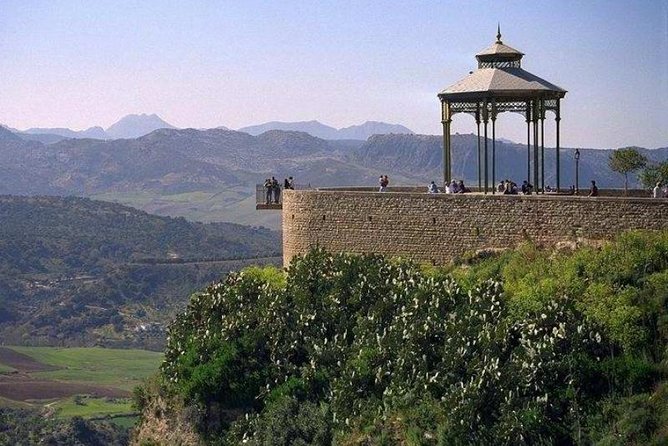
Ronda can be overwhelming at first—cliffs, viewpoints, bridges, and old lanes all competing for your attention. I like that this tour doesn’t make you “work up to it.” It gives you a top view right away and then builds outward into the town.
Two hours is short, so the order matters. Starting at New Bridge lets you understand the layout of old vs. new Ronda before you walk. Then the route uses Puente Viejo, the Don Bosco house, and the Old Medina to explain what you’re seeing—rather than leaving you with a bunch of separate photo stops.
Also, the group size is reasonable (up to 30). That’s big enough to be lively but small enough for your guide to keep the story moving. In some cases, the tour may run in two languages, so you’ll get the main points without feeling lost—even if your Spanish isn’t perfect.
New Bridge: The Viewpoint That Explains the Whole Town
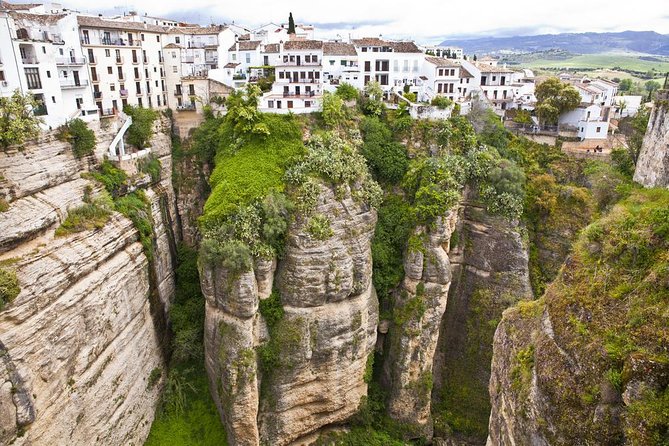
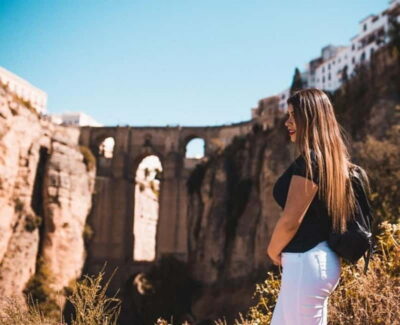
New Bridge is where Ronda’s drama becomes obvious. From here, you look across and down into the El Tajo gorge while also seeing how New Ronda connects to the older areas. The stop is about 15 minutes, and it’s paced like an orientation moment, not a long photo marathon.
What I like about this stop is that it acts like a visual map. You can immediately place later stops—Puente Viejo, the old quarter, and the gorge viewpoints—into one connected picture. If you’ve been in places where you walk around and still can’t “read” the city, this is the fix.
Tip for getting the most out of it: take a few minutes to actually scan the edges of the gorge and the bridge lines. Once you see how the bridges frame the drop, the rest of your walking tour feels more coherent.
Puente Viejo (Old Bridge): A Classic View With a Neighborhood Story
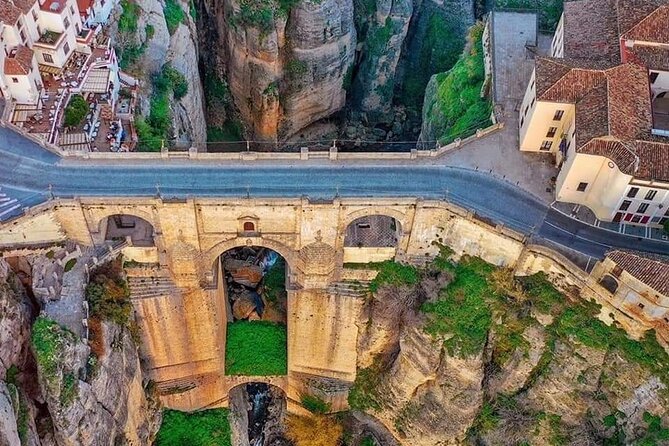
After New Bridge, the tour moves to Puente Viejo, with about 10 minutes here. This is the bridge area that historically helped put the city in communication with the fledgling Mercadillo neighborhood—so you’re not just seeing a beautiful angle, you’re also learning why it mattered.
The Old Bridge is also the kind of place that makes Ronda feel like a real film set. In one recent experience, the guide pointed out that the bridge dates to the mid-1700s, which makes the classic postcard look land with more weight. It’s easier to respect a viewpoint when you know it has been serving the town’s movement for centuries.
Practical note: you may be tempted to stand in one spot and shoot everything from there. That works, but if you can, change your angle once or twice. You’ll notice how the gorge and bridge shapes shift as you move.
Keep wandering the old centre, more routes
- Malaga Bike Tour – Old Town, Marina & Beach
★ 4.7 · 1,150 reviews - Málaga: 3-Hour Complete Walking Tour with Tickets
★ 4.5 · 976 reviews - Málaga: Highlights, Hidden Gems and Coast Vintage Bike Tour
★ 4.7 · 459 reviews
Casa Museo Don Bosco: The Stop That Turns Ronda Into a Daily-Life Place
Casa Museo Don Bosco is short on paper (about 10 minutes), but it’s the emotional center for the tour. You’re visiting a modernist palace from the early 20th century, presented as a typical kind of dwelling for Ronda, not a grand museum fantasy.
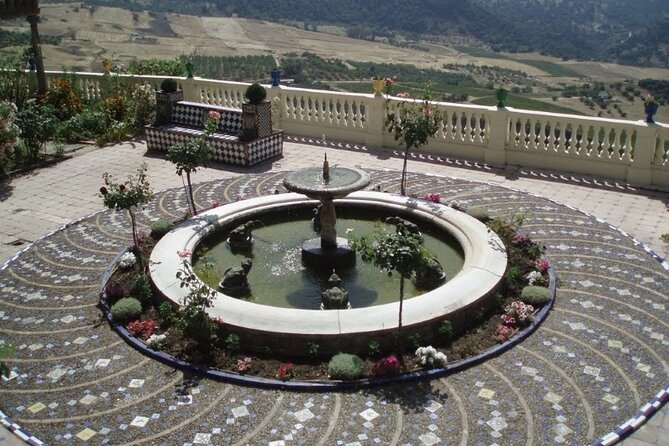
The real win here is the courtyard. You’ll see a beautiful tile-decorated courtyard with a Nazarí-inspired feel (the details are part of what the stop is known for). It’s the kind of space that makes you understand local taste and design at human scale—something you can imagine living with, not just walking past.
One more thing I appreciate: this stop shifts the tour from “spectacle” (gorges and bridges) to “how people lived.” Even within a tight time window, it adds texture. And because the Don Bosco house ticket is included, you don’t have to juggle extra purchases for the main indoor moment.
If you care about architecture or you like the idea of a town explained through homes, this stop is worth showing up on time for.
The Old Medina Walk: How to Enjoy Lanes When Time Is Tight
Next comes the atmospheric Old Medina stroll. This part is guided walking through the older quarter—less about single big monuments and more about how Ronda feels when you slow down.
I like Old Medina walks because they teach you how to move. You start learning which streets are visual corridors, where the viewpoints naturally appear, and how the town’s older layout makes the gorge feel even closer. When you only have a couple of hours, that guidance saves you from the common mistake: spending time staring at the map instead of seeing the town.
The Old Medina portion also balances out the earlier bridge views. New Bridge and Puente Viejo give you the vertical drama. The Old Medina gives you the horizontal human drama: the way streets funnel, the way architecture frames what’s ahead, and the sense of place that comes from being inside the town rather than hovering over it.
Wear shoes you’re comfortable walking in. This is a walking tour by design, and the point is to move through the old lanes, not just stand and look.
El Tajo Gorge From the Bridge: Views Now, Optional Climb Later
The tour then returns to the gorge at El Tajo de Ronda, with around 15 minutes. This is another classic viewpoint moment, and the key detail is that you can climb all the way down to see the area from the bottom if you want.
That’s a big deal for how you experience Ronda. If you stay up top, you’re reading the gorge from the city’s edge—dramatic, clean, and photo-friendly. If you climb down, you shift your relationship with the place. You get a closer sense of scale, depth, and how the gorge shapes the town’s geography.
Your decision here should match your energy level. In a short tour, this stop is where people either keep it simple or use the time to get the extra payoff of seeing the gorge from below. Either way, you’re getting the main idea: Ronda’s cliffs are not just scenery; they’re part of how the town is built.
Also, entrances and timing at monuments can sometimes be delayed due to circumstances, so it’s smart to stay flexible. The tour is built around short blocks at each stop, so when timing shifts, you’ll still get the core experience.
Iglesia de Santa Maria la Mayor: Seeing the Church Context Without Extra Tickets
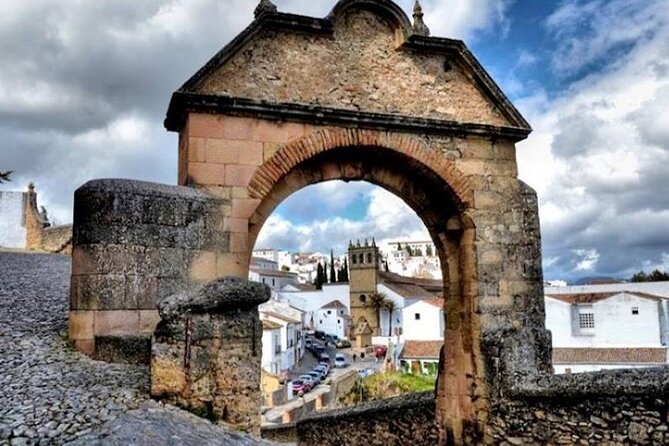
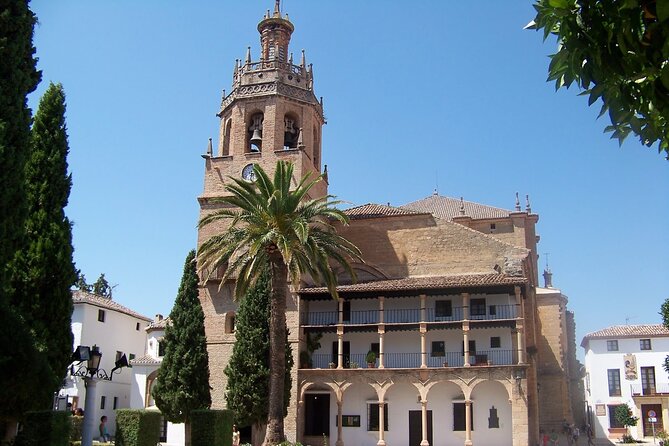
The last stop is outside the Iglesia de Santa Maria la Mayor area, with about 15 minutes. Important detail: admission isn’t included here, and the stop focuses on the surroundings rather than an interior visit.
The reason it’s still worth including is what the church represents in the city’s layered story. The church was elevated to the category of collegiate church by King Ferdinand the Catholic, and it rises above an older aljama mosque from the 13th century. Even from the outside, you’re seeing a physical reminder that Ronda’s religious and cultural layers shifted over time.
Because the tour doesn’t promise entry, I’d treat this as a context stop. You’ll leave understanding why the site is significant, and you can decide later if you want to return for any interior access that requires additional tickets.
Price and Value: Is $96.31 Worth It?
At $96.31 per person, this isn’t the cheapest way to get around Ronda. But value here comes from three things the price covers:
- A professional art historian guide, which is what turns viewpoints into understanding.
- Local taxes, which are included rather than tacked on later.
- Ticket to Casa Museo Don Bosco, so at least one main entry is already paid.
You also get a compact route—bridge viewpoints, an included house visit, and Old Medina walking—in about two hours. When time is limited, the “someone else handles the sequence” value adds up fast. If you were planning this on your own, you’d still be spending time figuring out where to start, which bridge angles matter, and how to connect the story between stops.
One more value point: this is booked in advance on average (around 25 days). That usually means the slots move. If you have fixed travel dates, don’t wait for the last minute.
Who Should Book This Ronda Walking Tour (And Who Might Not)
This tour fits best if you want a guided introduction. It’s a strong choice for first-time visitors to Ronda or anyone short on time who still wants more than a self-guided photo sprint.
You’ll likely enjoy it if:
- You love gorge viewpoints but also want context, not just photos.
- You like homes and design, not only streets and monuments.
- You want to cover multiple key areas in a controlled, two-hour window.
You might skip it or pair it with other time if:
- You mainly want interior church access and are hoping for ticket-included entry at all sites. Santa Maria la Mayor is only seen from the surroundings here, and its admission isn’t included.
- You know you’ll want a lot of time at the gorge bottom. This stop is time-limited, so a full detour is up to your stamina and how the group pacing works that day.
Simple Practical Tips for a Smoother Experience
A few small things can make this tour feel easier:
- Start by being at the meeting point on time. The tour meets at the Parador de Ronda on Pl. España, and the day moves in set stop blocks.
- Bring a camera, but don’t treat it like a race. The best payoff is when you pause long enough to read the view lines.
- If you’re sensitive to stairs or uneven footing, consider how you feel about the optional climb down at El Tajo de Ronda.
- Keep your schedule flexible. The itinerary can change due to special circumstances or force of nature, and monument entrances may be delayed.
Should You Book This 2-Hour Ronda Walking Tour?
Yes—if you want a tight, high-impact introduction to Ronda that connects New Bridge, Puente Viejo, the Casa Museo Don Bosco, and the Old Medina into one story. The price makes sense for what’s included, especially the included Don Bosco ticket and the art historian guidance. And if the guide is as strong as Valme was in one recent run, you’ll likely feel like you’re not just seeing Ronda—you’re understanding why it looks the way it does.
If your priority is lots of interior time (church entry, extended museum-style stops), you may want to add separate time before or after this tour.
FAQ
Where does the tour start?
The tour starts at the Parador de Ronda, Pl. España, s/n, 29400 Ronda, Málaga, Spain.
What time does the tour begin?
The start time is 11:00 am.
How long is the Ronda walking tour?
It lasts about 2 hours.
What’s included in the ticket price?
You get a professional art historian guide, local taxes, and a ticket to the Don Bosco House.
Which monuments are not included?
Entrance to monuments is not included for Iglesia de Santa Maria la Mayor, since the stop is only the surrounding area.
Is there a maximum group size?
Yes. The tour has a maximum of 30 travelers.
Can I see the gorge from the bottom?
At El Tajo de Ronda, you can climb all the way down and view from the bottom as well, if you want to do that during the stop.
More Málaga Trips, Reviewed
- Malaga: Catamaran Sailing Trip with Sunset Option
★ 4.4 · 8,613 reviews - Málaga: Alcazaba and Roman Theatre Guided Tour With Entry
★ 4.8 · 5,792 reviews - Ronda and Setenil Tour with Free Time and Map from Málaga
★ 4.8 · 5,344 reviews - From Málaga: Caminito del Rey Day Trip & Guided Tour
★ 4.8 · 4,683 reviews - From Malaga and Costa del Sol: Gibraltar Tour
★ 4.4 · 4,483 reviews - Malaga: Teatro Flamenco Malaga Live Flamenco Show
★ 4.7 · 4,254 reviews
The Old Centre, Keep Walking
- Malaga Bike Tour – Old Town, Marina & Beach
★ 4.7 · 1,150 reviews - Málaga: 3-Hour Complete Walking Tour with Tickets
★ 4.5 · 976 reviews - Málaga: Highlights, Hidden Gems and Coast Vintage Bike Tour
★ 4.7 · 459 reviews - Málaga: Cathedral, Alcazaba, Roman Theater Walking Tour
★ 4.7 · 315 reviews - Malaga: Complete City Highlights Segway Tour
★ 4.9 · 232 reviews - Malaga Private Walking Tour, Alcazaba & Catamaran Cruise
★ 5.0 · 159 reviews
Ronda and Setenil, More Days
- Ronda and Setenil Tour with Free Time and Map from Málaga
★ 4.8 · 5,344 reviews - From Málaga: Ronda+Setenil de las Bodegas with Little Train
★ 4.6 · 4,115 reviews - From Malaga: Ronda and Setenil Guided Tour Day Trip
★ 4.5 · 3,072 reviews - From Malaga: Ronda and Setenil de las Bodegas Day Trip
★ 4.6 · 1,552 reviews - From Malaga: Ronda & Setenil de las Bodegas Day Trip
★ 4.8 · 1,004 reviews - Ronda, Setenil and Sevilla Small Group Tour from Malaga
★ 5.0 · 334 reviews
Fresh Off the Boat: Newly Reviewed Málaga Trips

Ronda & Setenil Day Trips, side by side.
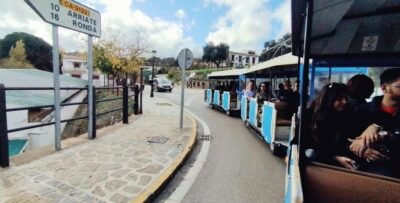 ★ 4.8Ronda and Setenil Tour with Free Time and Map from MálagaFrom $335,344 reviews
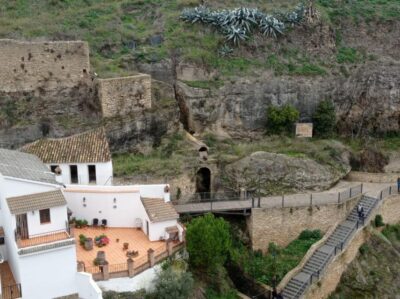 ★ 4.6From Málaga: Ronda+Setenil de las Bodegas with Little TrainFrom $344,115 reviews
 ★ 4.5From Malaga: Ronda and Setenil Guided Tour Day TripFrom $653,072 reviews
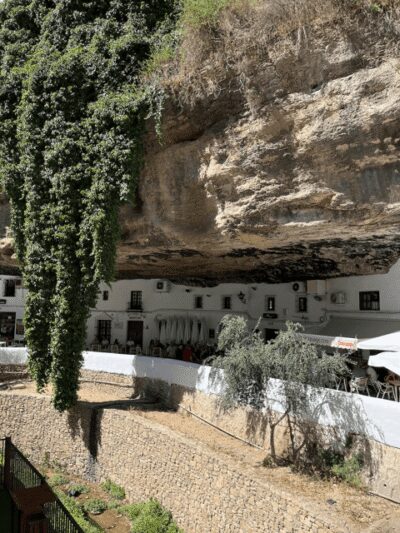 ★ 4.6From Malaga: Ronda and Setenil de las Bodegas Day TripFrom $291,552 reviews
 ★ 4.8From Malaga: Ronda & Setenil de las Bodegas Day TripFrom $301,004 reviews
 ★ 4.4From Torremolinos: Ronda + Setenil de las Bodegas Day TripFrom $34369 reviews
 ★ 5.0Ronda, Setenil and Sevilla Small Group Tour from MalagaFrom $118334 reviews
 ★ 4.0Ronda and Setenil de las Bodegas tour from MalagaFrom $78248 reviews
Other lists this tour appears in