Review · MÁLAGA
Guided Tour to the only coffee farm in Europe
Coffee grows here, and so do surprises.
In La Herradura, this guided walk takes you through Europe’s only coffee plantation and pairs it with up to 30 types of tropical fruit, all explained in an open-air, real-farm way. You’ll also hear how the farm works to protect biological balance and manage water and matter on-site, not just grow crops.
What I like most is the mix of coffee plus fruits you usually only see in markets, and the small scale: the tour caps at 15 people. My one real consideration is the steep slope—this is not a flat stroll—and if you have seasonal pollen allergies, it’s specifically not recommended.
In This Review
- Key highlights worth planning for
- Entering Europe’s Only Coffee Farm, One Steep Hill at a Time
- What You Actually Do on the Walk (Stop 1 in La Herradura)
- The Tropical Fruit Part: More Than a Photo Stop
- Wildlife Chances on an Open-Air Plantation
- Sustainability Talk You Can Use: Water, Matter, and Balance
- Your Guide Matters: Manolo Mateos in Full Storytelling Mode
- Price and Value: Why $18.15 Can Feel Like a Deal
- Timing, Heat, and What to Bring for the Slope
- Getting There and Getting Back: Don’t Trust Uber
- Who This Tour Fits Best (And Who Might Skip)
- Should You Book This Coffee Farm Tour?
- FAQ
- How long is the tour?
- Is the tour offered in English?
- How many people are in a group?
- Is the tour physically demanding?
- Is it safe for people with allergies?
- What is included in the price?
- Is wine or tapas included?
- Are service animals allowed?
- How do I handle transport back after the tour?
- What if the weather is bad?
Key highlights worth planning for
- Europe’s only coffee farm experience: you’ll visit what’s described as the most northern coffee plantation in the world.
- Up to 30 tropical fruit varieties: avocados, mangoes, lychees, custard apples, pitayas, and more.
- Wildlife sightings are possible: chameleons, eagles, partridges, owls, wild goats, and wild boars (weather and luck apply).
- Sustainability is part of the lesson: you’ll hear how the farm closes the circle for water and matter.
- Small-group feel with a friendly owner-guide: Manolo Mateos (often referred to as Manolo/Manuel) tells the story while walking.
- 15% off fruit purchases: you can buy fruit from the farm at a discount after the walk.
Worth a look before you lock in this Málaga day out:
- Tropical Tour: Avocado & Mango Farm – Small group and tasting★ 5.0 · 38 reviews
Entering Europe’s Only Coffee Farm, One Steep Hill at a Time
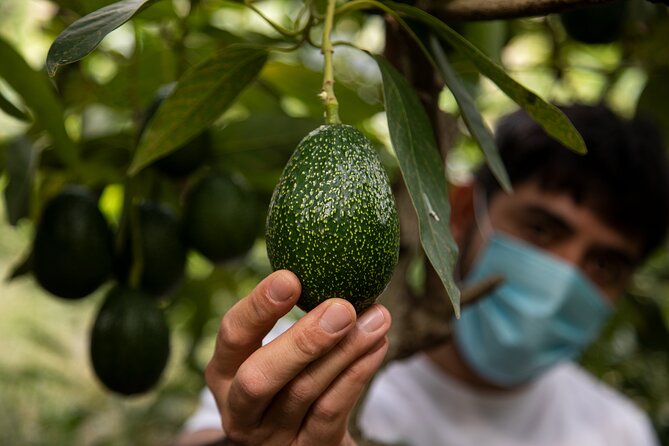
La Herradura sits on Spain’s sunny southern coast, and the farm starts with the kind of “up we go” footing you expect in hilly country. The tour is set up as an outdoor walk through the plantation, so you’re not just looking at a single coffee patch—you’re moving through a whole living system of trees.
The big promise here is simple: this is the only coffee plantation in Europe. That uniqueness matters, because most coffee-focused trips are about roasting, tasting, or importing. This one is about growing—how coffee behaves when it’s planted far from the stereotypes.
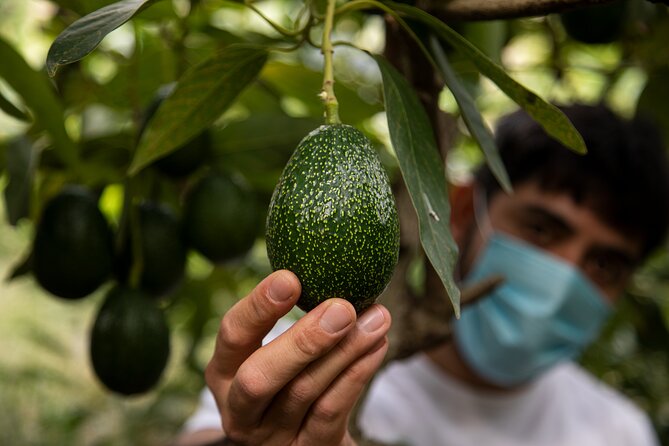
The other thing that makes this outing feel different is that coffee is only part of the story. You’ll pass tropical trees that can include mango, lychee, avocado, pitaya, and other fruits you rarely associate with the Costa del Sol.
What You Actually Do on the Walk (Stop 1 in La Herradura)
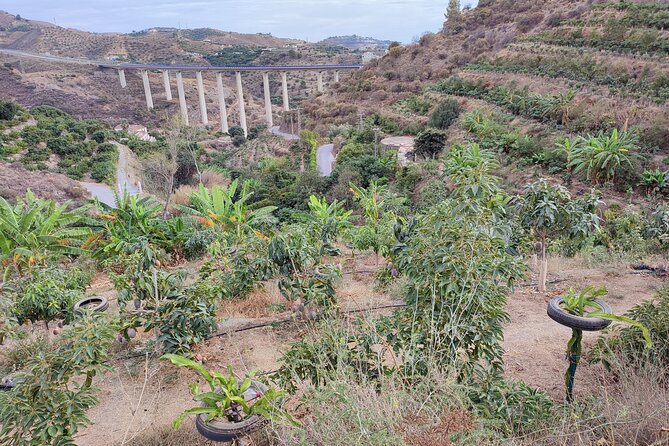
The entire tour centers on Stop 1: La Herradura. Expect a guided walk on a plantation that combines coffee with tropical fruit trees—your path is the curriculum.
You’ll see:
- Coffee plants on the “most northern” side of coffee growing, as described for the world’s northernmost plantation context.
- Tropical fruit trees, with the tour noting up to 30 types you may encounter along the route.
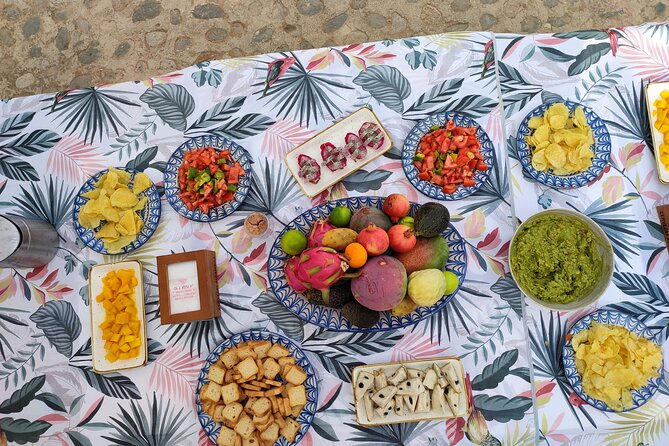
- Specific fruits named in the tour description: avocados, mangoes, custard apples, lychees, red bananas, macadamias, pitayas, plus other exotic trees.
If you like hands-on learning, this format helps. Instead of hearing generic facts, you’re watching the plant itself as the guide explains it. That also makes the tour a better fit if you’re traveling with kids, since the walk keeps giving them new shapes, leaf textures, and fruit stories to look for.
And yes, there’s coffee. But the way it’s framed is key: coffee is shown as a crop inside a bigger orchard ecosystem, not as a standalone exhibit.
The Tropical Fruit Part: More Than a Photo Stop
The tropical fruit section is where this tour often earns its strongest reactions, because you’re not just told what grows here—you’re guided through the variety. The list is wide enough to keep most people interested even if they’ve been on other farm tours.
You might catch:
- Mango and avocado trees that feel like they belong to a warm climate textbook.
- Lychees and custard apples that most visitors have only tasted, if at all.
- Pitayas (dragon fruit) and macadamias—again, familiar in name, but less common to see growing.
A nice detail is that the tour doesn’t treat fruit as decoration. It links the planting choices to ecological care—how to manage a tropical fruit farm in a way that supports balance rather than just maximizing harvests.
If you’re a “food souvenirs” person, there’s a practical upside too: the tour includes 15% discount on fruit purchases, so your final stop isn’t just memories—it can turn into something you eat later.
- Malaga: Catamaran Sailing Trip with Sunset Option
★ 4.4 · 8,613 reviews - Málaga: Alcazaba and Roman Theatre Guided Tour With Entry
★ 4.8 · 5,792 reviews - Ronda and Setenil Tour with Free Time and Map from Málaga
★ 4.8 · 5,344 reviews
Wildlife Chances on an Open-Air Plantation
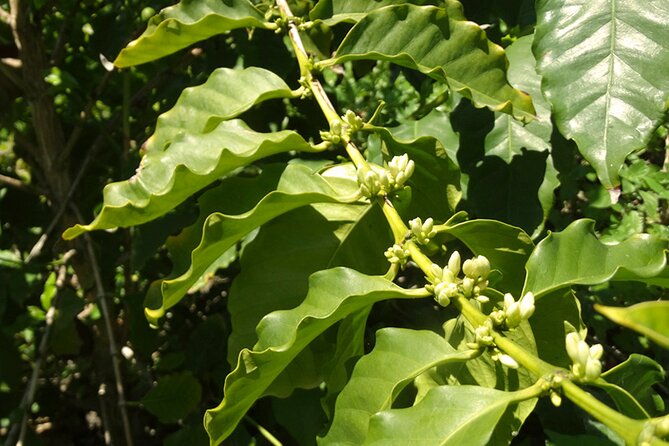
This is an outdoor walk, and that means wildlife could show up, but it won’t be guaranteed. The tour notes possible sightings of wild animals such as chameleons, eagles, partridges, owls, wild goats, and wild boars.
Here’s how to think about this part so you’re not disappointed: treat it like bonus nature, not the core lesson. The core lesson is the farming system—wildlife is the extra.
Also, because you’re on a working farm, the guide will keep things grounded. You’re there to learn the “how” and “why,” not to chase animals with binoculars like it’s a safari.
Sustainability Talk You Can Use: Water, Matter, and Balance
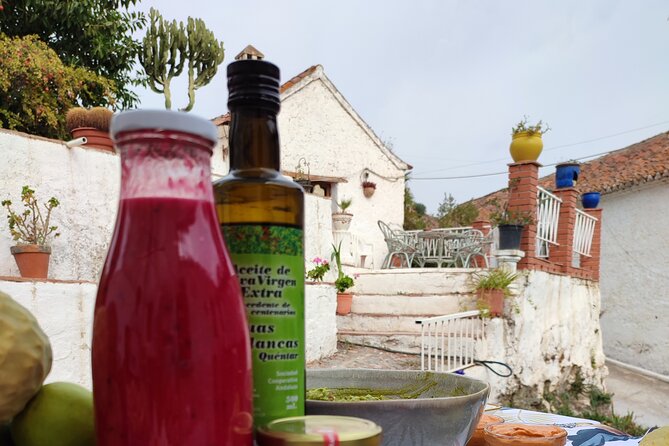
One of the most valuable parts of this experience is that sustainability isn’t presented as a slogan. During the walk, you’ll hear about sustainable agricultural practices and the idea of maintaining biological balance.
The tour specifically mentions closing the circle of water and matter. That phrase matters because it points to practical farm thinking: where water goes, how inputs are managed, and how the system functions together rather than as disconnected steps.
Even if you don’t become a farming expert, this part is useful. It helps you understand why the farm looks the way it looks and why the planting mix includes so many different tree types. It also makes the coffee angle more believable—coffee isn’t treated as a gimmick crop, it’s treated as part of a living landscape of plants and cycles.
Your Guide Matters: Manolo Mateos in Full Storytelling Mode
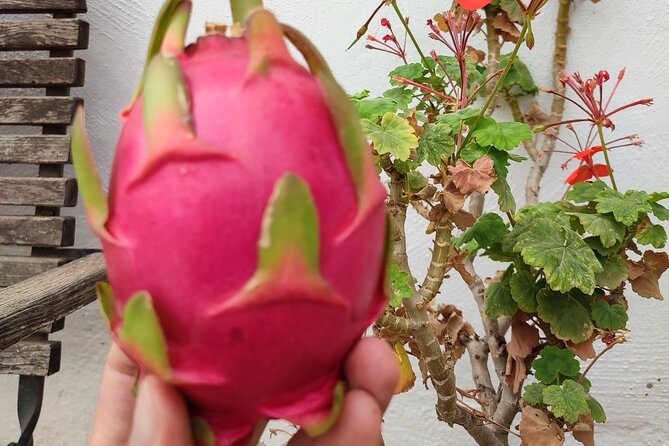
This tour’s energy is very tied to the guide. The owner-guide listed as Manolo Mateos leads the experience, and the feedback you’ll see reflected in the tour experience is consistent: he’s entertaining, story-driven, and communicates well across languages.
In practice, that means you can expect more than a lecture. You’re walking, pointing, asking questions (within the flow of the group), and getting explanations that match what you’re seeing.
One practical tip from experience with this kind of hill-farm setup: if you’re arriving by taxi, it helps to let the driver/guide know in advance. The tour has you meet at a specific spot in La Herradura, and the farm route involves going up—so a little coordination avoids a lot of standing around and guessing.
Price and Value: Why $18.15 Can Feel Like a Deal
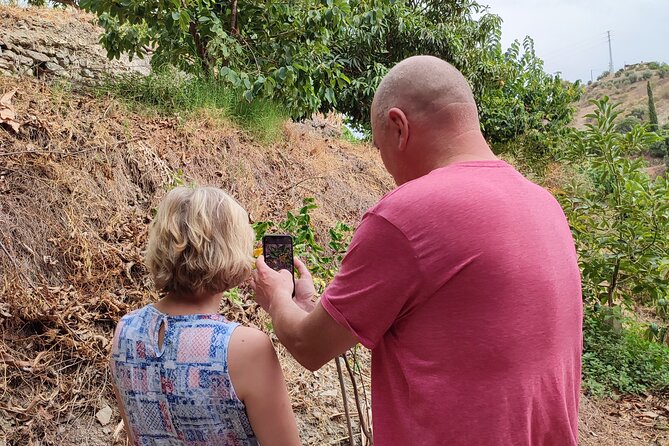
At $18.15 per person, the tour is priced in the “small spend, big story” category. The value is not only the uniqueness claim (Europe’s only coffee plantation), it’s the way the price buys time in an actual working farm system.
You also get:
- A guided walk with a small maximum group size (15).
- Admission ticket noted as free in the tour stop description.
- The 15% discount on fruit purchases, which is meaningful if you plan to buy any coffee/fruit at the end.
Two other value signals:
- The duration is compact—about 1 hour 10 minutes to 1 hour 30 minutes—so it doesn’t swallow half a day.
- The learning is directly tied to what you see: coffee plants plus named fruits, plus explanations of ecological practices.
Just remember one limitation: the tour does not include wine and tapas. If you want that part of the day, plan it separately.
Timing, Heat, and What to Bring for the Slope
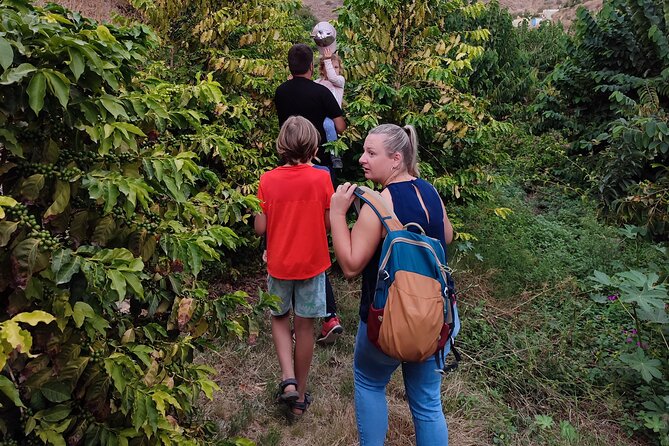
The tour description is very clear about physical comfort: there’s a steep slope, and you’re advised to avoid the hottest hours of the day. That’s not just advice for your body—it affects how pleasant and safe the walk feels.
Bring:
- Comfortable closed shoes (not sandals).
- Water, and hydrate properly.
- A plan for sun and heat based on the season you’re visiting.
If you have allergies, pay attention to the warning. The tour is not recommended for seasonal pollen allergy sufferers, and it specifically suggests checking with the provider beforehand if you have plant or pollen allergies.
And because you should have a moderate physical fitness level, if you’re dealing with mobility limitations, you may find the hill tiring—even if the walk is only around 1.25 hours.
Getting There and Getting Back: Don’t Trust Uber
This tour’s meeting point is in La Herradura (with a specific GPS code provided), and the tour end point is also listed with a different address in the surrounding area. The practical point: plan to arrive with enough buffer time so you aren’t chasing a moving meeting location.
On transport, one realistic heads-up: there’s no reliable expectation of ride-hailing for the return. One piece of guidance from people who used the site: there’s no Uber service for return, so you’ll want to arrange a local taxi or a lift in advance.
If you’re doing this as part of a larger coast day, you can also pair it with beach towns nearby. The tour area is close enough that you could turn it into a longer day rather than treating it as a quick stop.
Who This Tour Fits Best (And Who Might Skip)
This tour is a great match for:
- Coffee lovers who want to understand the plant and the farm system, not only drink coffee.
- People who love fruit variety and like seeing familiar foods growing.
- Families, because the walk format and the variety of trees tend to keep kids engaged.
- Small-group travelers who prefer talking with the guide while walking.
It might be less ideal if:
- You dislike hill walking or you’re managing a mobility challenge.
- You have seasonal pollen allergies.
- You want wine, tapas, and a longer meal-focused outing—those aren’t included.
Should You Book This Coffee Farm Tour?
If your idea of a fun day includes plants, food, and a real working farm with a small group, I’d book this. The combination of Europe’s only coffee plantation plus tropical fruit variety is unusual, and the short duration makes it easy to fit into a Malaga-area plan.
I’d also book if you enjoy practical farming talk—how a farm tries to keep systems balanced, including water and matter cycles. Even if you’re not an agriculture person, the walk helps the concepts feel grounded.
Skip it or think twice if steep slopes and pollen allergies are issues for you. And if you want dinner plus drinks, plan those before or after, since the tour itself doesn’t include wine and tapas.
If you’re willing to wear closed shoes, hydrate, and enjoy an outdoor walk with a friendly owner-guide like Manolo Mateos, this is the kind of experience that gives you more than a souvenir—it gives you a new way to see where food actually comes from.
FAQ
How long is the tour?
The tour runs about 1 hour 10 minutes to 1 hour 30 minutes.
Is the tour offered in English?
Yes. The tour is offered in English.
How many people are in a group?
The maximum group size is 15 travelers.
Is the tour physically demanding?
It has a steep slope, so it’s recommended to avoid the hottest hours and to have a moderate physical fitness level. Wear comfortable closed shoes and hydrate properly.
Is it safe for people with allergies?
If you have allergies to plants or pollen, the tour recommends that you consult beforehand. It also says it’s not recommended for seasonal pollen allergy sufferers.
What is included in the price?
You’ll receive a mobile ticket, and the experience includes an admission ticket free for the tour stop. You also get a 15% discount on fruit purchases.
Is wine or tapas included?
No. Local wine and Tapas are not included.
Are service animals allowed?
Yes. Service animals are allowed.
How do I handle transport back after the tour?
One practical note: there is no Uber service for return. You should arrange a lift to the main town or book a local taxi, and it can help to let the taxi know in advance so the guide can meet you higher up the hill.
What if the weather is bad?
This experience requires good weather. If it’s canceled due to poor weather, you’ll be offered a different date or a full refund. It can also be canceled if a minimum number of travelers isn’t met, with a different date/experience or a full refund.
More Farms Around Málaga
- Tropical Tour: Avocado & Mango Farm – Small group and tasting
★ 5.0 · 38 reviews
More Málaga Trips, Reviewed
- Malaga: Catamaran Sailing Trip with Sunset Option
★ 4.4 · 8,613 reviews - Málaga: Alcazaba and Roman Theatre Guided Tour With Entry
★ 4.8 · 5,792 reviews - Ronda and Setenil Tour with Free Time and Map from Málaga
★ 4.8 · 5,344 reviews - From Málaga: Caminito del Rey Day Trip & Guided Tour
★ 4.8 · 4,683 reviews - From Malaga and Costa del Sol: Gibraltar Tour
★ 4.4 · 4,483 reviews - Malaga: Teatro Flamenco Malaga Live Flamenco Show
★ 4.7 · 4,254 reviews