
Review · MÁLAGA
Malaga Picassiana
Picasso’s genius starts in a real house. This 3-hour tour in Málaga connects the man to the art, using his birthplace area, the Museo Picasso Málaga, and a short panoramic stroll through the city. You get a tight structure that helps you place key works and life moments in the same mental picture.
I especially like two things: first, visiting the birthplace museum puts context behind the paintings you’ll see later. Second, the museum visit focuses on Picasso’s changing stages, including the famous Cubist legacy, so it feels like a timeline rather than a random walk through rooms.
One possible drawback: the pace can feel info-heavy. If you’re the type who wants slower, simpler explanations, you might find it a lot in a single sitting.
In This Review
- Quick hits before you go
- A short, focused Picasso tour in Málaga (3 hours)
- Fundacion Picasso: stepping into Picasso’s birth and early roots
- Museo Picasso Málaga: how the rooms turn into a timeline
- The historic center panoramic walk: getting your bearings fast
- Price and value: what $30.25 really buys
- Small group size: why it changes the museum experience
- Where to meet and how to plan your day
- Who this tour fits best
- The big takeaway: origin, evolution, and context in one sitting
- Should you book Málaga Picassiana?
- FAQ
- Where does the tour start and end?
- How long is the experience?
- What’s included in the price?
- Is this a small group tour?
- Do I need a printed ticket?
- What time does it run?
- Can I cancel for a full refund?
- Is it suitable for people who use service animals?
Quick hits before you go
- Two museum entrances included in the ticket price, so you avoid the extra planning and costs
- Very small group size (up to 4 travelers), which usually means more time for questions
- 1 hour at Picasso’s birthplace to connect origins to later choices
- 1 hour in the main Picasso museum to track artistic shifts, including Cubism
- A free panoramic walk in the historic center to help you orient yourself in Málaga
Weighing it up? Set it beside a few Málaga favourites first.
- Malaga: Catamaran Sailing Trip with Sunset Option★ 4.4 · 8,613 reviews
- Málaga: Alcazaba and Roman Theatre Guided Tour With Entry★ 4.8 · 5,792 reviews
- Ronda and Setenil Tour with Free Time and Map from Málaga★ 4.8 · 5,344 reviews
- From Málaga: Caminito del Rey Day Trip & Guided Tour★ 4.8 · 4,683 reviews
A short, focused Picasso tour in Málaga (3 hours)
This is a “don’t overthink it” kind of tour. You meet in central Málaga, spend about an hour inside the birthplace museum, then an hour in the Picasso museum itself, and finish with a panoramic walk in the historic center. The total time is about 3 hours, which makes it easy to fit into a first visit day.
The small group limit matters more than you might think. When you’re not crammed into a large crowd, you’re better able to follow the story—especially in museums, where it’s easy to lose the thread when your guide can’t hear you or see what you’re looking at. With this set-up, the experience tends to feel more like guided conversation than a race from room to room.
Also, it’s priced to feel fair for what you get. At $30.25 per person, you’re not just paying for commentary—you’re paying for entry to both museum stops. For many people, that single detail is the difference between a “nice idea” and a “good value” outing.
Fundacion Picasso: stepping into Picasso’s birth and early roots
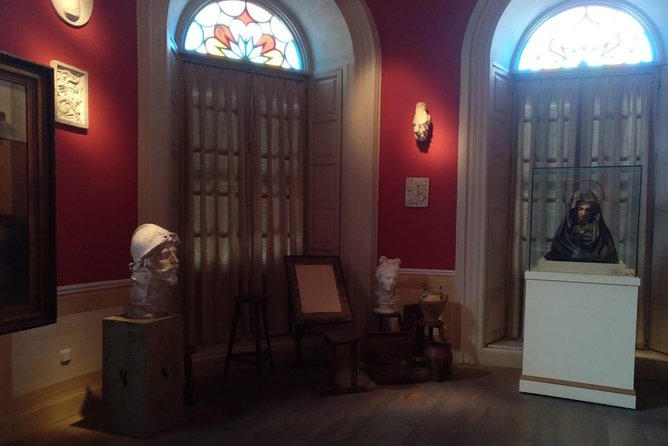
Your first museum visit centers on the Fundación Picasso – Museo Natal, the birthplace area that anchors the whole tour. This is where you start understanding why Picasso’s story begins where it begins—right in Málaga. Instead of jumping straight into famous works, you get the origin point first.
What I like about starting here: it helps you read the museum’s content with a clearer lens. When you know the geography and the family context at the beginning, later rooms in the Picasso museum land better. You also come away with a sense of how childhood and early development can shape how an artist sees the world.
The main practical consideration is mental load. Birthplace museums often come with a lot of context, and this tour keeps moving after that first hour. If you tend to get tired with lectures, give yourself a moment of quiet when you’re inside—take breaks between rooms, not just when the tour ends.
Museo Picasso Málaga: how the rooms turn into a timeline
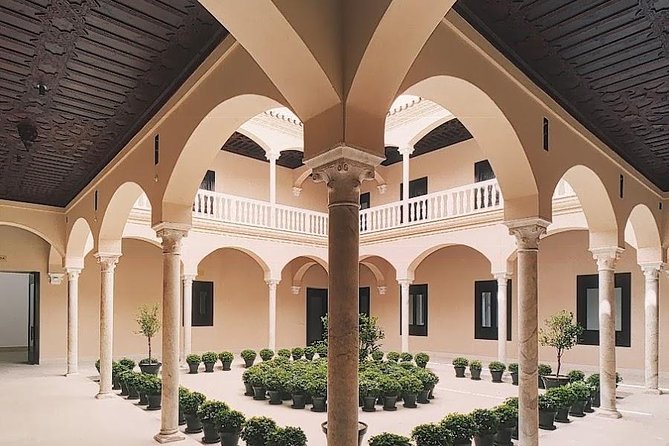
The second stop is Museo Picasso Málaga, and this is where the tour’s structure starts to pay off. You tour the different rooms in a way designed to show Picasso’s artistic life as stages, not as disconnected highlights. The emphasis includes the cubist legacy, which is usually the part most people expect—and it’s also the part that becomes easier to understand when you’ve already connected it to his background.
Here’s the value for you: the tour helps you notice what changes from stage to stage. Without guidance, you can walk through a major museum and still feel like you’re seeing “a bunch of Picasso.” With guidance, you start asking better questions: what shifts in style, what shifts in thinking, and what might have triggered those shifts.
There’s also a subtle benefit to the timing. With a dedicated hour here, you’re not spending all day trying to cover everything. You get enough time to connect rooms, but not so much that you’re too overwhelmed to absorb anything.
- Malaga: Catamaran Sailing Trip with Sunset Option
★ 4.4 · 8,613 reviews - Málaga: Alcazaba and Roman Theatre Guided Tour With Entry
★ 4.8 · 5,792 reviews - Ronda and Setenil Tour with Free Time and Map from Málaga
★ 4.8 · 5,344 reviews
The historic center panoramic walk: getting your bearings fast
After the museums, you get a panoramic tour of Málaga’s historic center as part of the experience. This isn’t about museum-ticket value. It’s about getting your bearings—so you can look at streets, plazas, and key areas later and understand what you’re seeing.
This portion is especially helpful if you’re spending only a day or two in the city. A walking overview won’t replace deeper exploring, but it does give you orientation. When you know where things are in relation to each other, you’ll enjoy casual strolls more afterward.
The key thing to watch: it’s an extra hour of time on your feet. If you’ve already planned a long day, try not to stack heavy walking the moment the tour ends. Build in an easy meal stop and some recovery time.
Price and value: what $30.25 really buys
Let’s talk value in plain terms. You’re paying $30.25 per person, and the price includes admission to both:
- the Picasso Birthplace Museum
- the Museo Picasso Málaga
That matters because museum entry can be one of the biggest hidden costs in art-focused tours. Here, you’re not likely to end up juggling ticket lines, figuring out separate entrances, or paying again for what you assumed was included. It also simplifies planning: once you’re at the meeting point, you’re already set for the key sights.
Another value point: it’s a 3-hour experience. You don’t lose half a day, and you don’t spend your whole vacation hunting for the right museums. That’s a big deal in a city where you’ll probably want time for food, beaches (if you have the energy), and general wandering.
One caution: with the “two museums + walk” format, it can feel information-dense. If you’re sensitive to packed schedules, consider treating this as your guided day for Picasso, then keep the rest of your day lighter.
Small group size: why it changes the museum experience
This tour caps at 4 travelers, which is the kind of detail that turns a standard museum visit into a more personal one. In practice, that usually means:
- you spend less time waiting for people to catch up
- you can hear the explanation better
- questions are easier to fit in
In museums, being able to ask one follow-up question can make the difference between a “seen it” visit and a “I get it” visit. Even if you don’t ask anything, smaller groups often lead to more adaptable pacing, so you’re not stuck trudging through topics you’re not interested in.
If you travel as a solo visitor, this size also helps. It often feels less awkward than larger group tours, and it can be a calmer way to do a big-name subject like Picasso.
Where to meet and how to plan your day
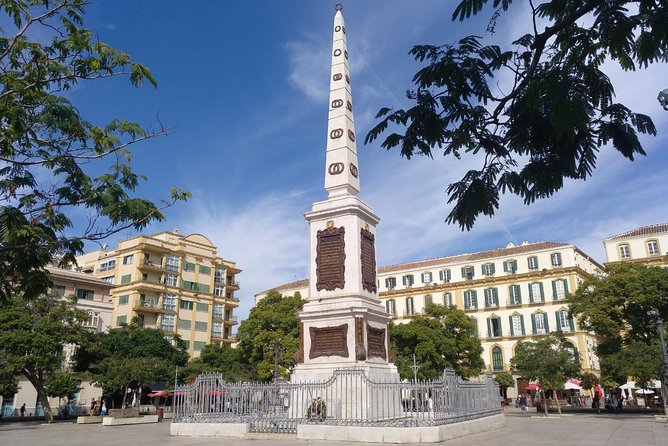
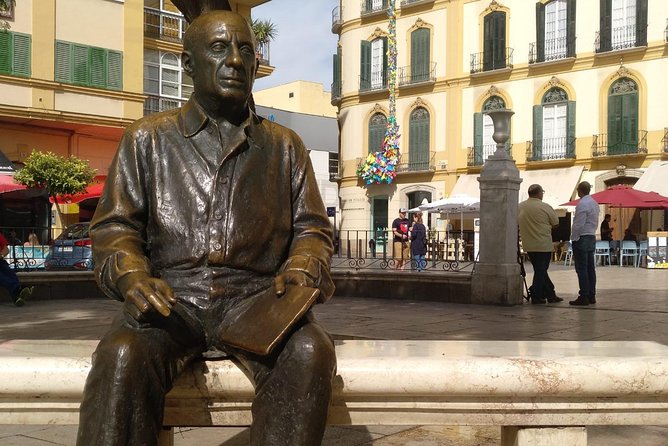
You start at Plaza de la Merced (Pl. de la Merced, Distrito Centro, 29012 Málaga) and end at Plaza de la Constitución. The start time is 10:00 am.
That timing is a smart choice if you want to see museums before the day gets crowded. It also gives you the rest of the afternoon for slower Málaga exploring—especially useful if you want to revisit areas you pass during the panoramic walk.
Because it’s booked in advance on average (around 60 days), it’s wise to plan ahead rather than hoping for last-minute availability. If Picasso-themed days are popular during your travel dates, booking early keeps you flexible.
One more practical tip: because the tour uses a mobile ticket, make sure your phone is charged and your ticket access is easy. You don’t want to be hunting through menus while your group is waiting to enter.
Who this tour fits best
This experience is a good match if you want Picasso to feel like a connected story. You’re not only looking at art—you’re learning the personal and artistic links that help explain why Picasso made the choices he did.
It’s also ideal if you like guided structure. The tour’s format—birthplace first, main museum second, city context last—helps you build a mental timeline without needing to do extra homework before you go.
If you’re traveling with kids, it could work, but only if your family is ready for museum time and explanatory content. The only hint about a drawback is that the information can feel heavy. In that case, families might enjoy it more if they keep breaks short and don’t try to absorb every detail.
The big takeaway: origin, evolution, and context in one sitting
What makes this tour satisfying is the way it connects three angles:
1) origin (Picasso’s birth and early context)
2) evolution (how his stages show up in the museum rooms)
3) context (a quick historic-center orientation after the museums)
That combination helps you avoid a common problem in art travel: seeing masterpieces without knowing how to relate them to each other. Here, you get a framework you can remember later when you’re back on your own.
Yes, it can be info-heavy. But for most people, that’s also the point. You come out with more understanding than you would from a self-guided visit, and you spend your time where it counts: the birthplace connection and the museum’s Picasso stages.
Should you book Málaga Picassiana?
I’d book it if you’re visiting Málaga for the first time and you want a guided Picasso experience that’s organized, ticket-inclusive, and small-group. The included entrances are a strong value, and the format helps you connect biography to art without turning it into a long day.
Skip it or consider a different option if you dislike tours that pack a lot of explanation into a short window. The main caution from the experience is that the content can feel like more information than some people want at once. If that sounds like you, plan breaks for yourself and keep your expectations realistic: it’s a structured learning tour, not a casual stroll.
FAQ
Where does the tour start and end?
It starts at Plaza de la Merced and ends at Plaza de la Constitución, both in Málaga’s city center.
How long is the experience?
The duration is about 3 hours.
What’s included in the price?
The price includes entrance tickets to the Picasso Birthplace Museum and the Museo Picasso Málaga. The historic center panoramic tour is included as well.
Is this a small group tour?
Yes. The tour has a maximum of 4 travelers.
Do I need a printed ticket?
No. It uses a mobile ticket.
What time does it run?
The start time is 10:00 am.
Can I cancel for a full refund?
Yes. You can cancel for a full refund up to 24 hours before the experience’s start time.
Is it suitable for people who use service animals?
Service animals are allowed, and the tour says most travelers can participate. It’s also near public transportation.
If you tell me your travel dates (and whether you prefer art talk or slower pacing), I can help you judge if this 3-hour format fits your style.
More Málaga Trips, Reviewed
- Malaga: Catamaran Sailing Trip with Sunset Option
★ 4.4 · 8,613 reviews - Málaga: Alcazaba and Roman Theatre Guided Tour With Entry
★ 4.8 · 5,792 reviews - Ronda and Setenil Tour with Free Time and Map from Málaga
★ 4.8 · 5,344 reviews - From Málaga: Caminito del Rey Day Trip & Guided Tour
★ 4.8 · 4,683 reviews - From Malaga and Costa del Sol: Gibraltar Tour
★ 4.4 · 4,483 reviews - Malaga: Teatro Flamenco Malaga Live Flamenco Show
★ 4.7 · 4,254 reviews