

Review · MáLAGA OLD TOWN WALKS
Malaga: Walking Tour of Must-See Attractions
Old Malaga pulls you in fast. This 2-hour walking tour connects Roman remains with the Picasso places you’ll keep noticing long after you leave. I like how the stops are arranged so you’re always moving between big-story eras, and I like the way the guide adds practical context as you go. One consideration: it’s a walking tour with no food or drinks included, so you’ll want to plan around heat, shoes, and breaks.
You’ll start in the city center and cover Cathedral-area highlights, the Alcazaba viewpoints, and a stroll through the elegant shopping streets. Guides I’ve seen named for this experience, like David, Borja, and Maura, get repeated praise for being prepared and friendly, which matters because Malaga can feel like layers stacked on layers. If you prefer quiet time in one neighborhood over a packed checklist, you might want to slow down separately after the tour.
In This Review
- Key highlights at a glance
- Why this 2-hour route clicks in Malaga
- Meet at Alameda Principal and get your bearings
- Plaza de la Merced: where Picasso stories start
- Malaga Cathedral: reading the city through stone and style
- Alcazaba of Malaga: Moorish fortress, real viewpoint payoff
- Malaga Museum: Fine Arts and Archaeology in the same visit
- Church of Santiago: the oldest church and the Picasso baptism link
- Roman Theater (Teatro Romano de Málaga): archaeology you can walk around
- Plaza de la Merced to Calle Larios: switching from past to present
- What the guides do (and why it matters): David, Borja, Maura, and Maura’s kind pacing
- Price and value: $35 for two hours that actually earns its keep
- Who should book this walking tour (and who should skip it)
- Should you book this Malaga walking tour?
- FAQ
- How long is the walking tour?
- Where does the tour start?
- What is included in the price?
- Is food or drinks included?
- What languages are available?
- Is the tour wheelchair accessible?
- Can I cancel for a refund?
- Is there a private group option?
Key highlights at a glance
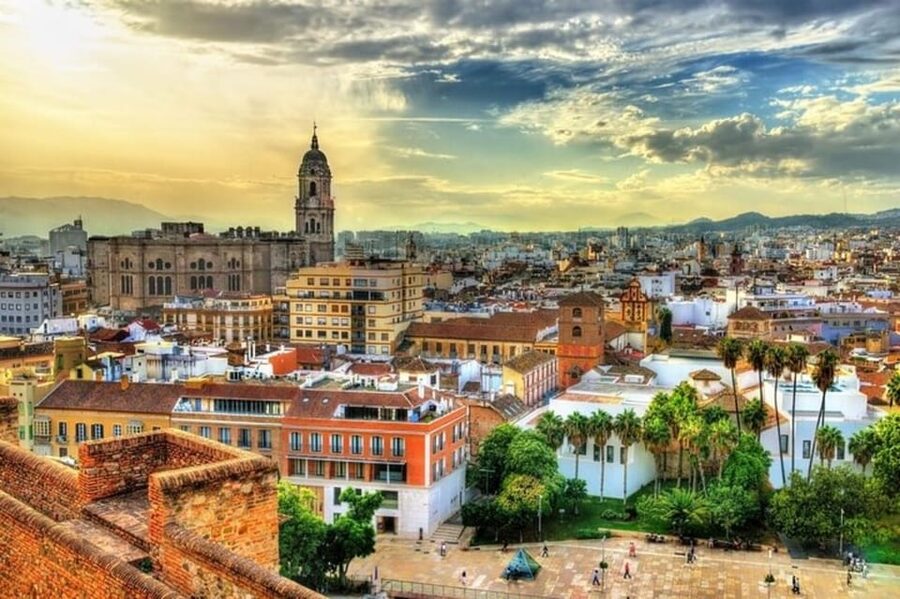
- Roman Theater (Teatro Romano de Málaga): See 1st-century BC archaeology in real scale
- Alcazaba of Malaga: Moorish fortress walls with strong city-view payoff
- Church of Santiago: The oldest church in Málaga, linked to Picasso’s baptism
- Plaza de la Merced: A focal point for Picasso childhood stories
- Calle Larios + Marqués de Larios: Classic pedestrian streets where Malaga feels most “Malaga”
- Guide-led value: Clear explanations and extra ideas for what to do next
Keep wandering the old centre, more routes
- Malaga Bike Tour – Old Town, Marina & Beach★ 4.7 · 1,150 reviews
- Málaga: 3-Hour Complete Walking Tour with Tickets★ 4.5 · 976 reviews
- Málaga: Highlights, Hidden Gems and Coast Vintage Bike Tour★ 4.7 · 459 reviews
- Málaga: Cathedral, Alcazaba, Roman Theater Walking Tour★ 4.7 · 315 reviews
Why this 2-hour route clicks in Malaga
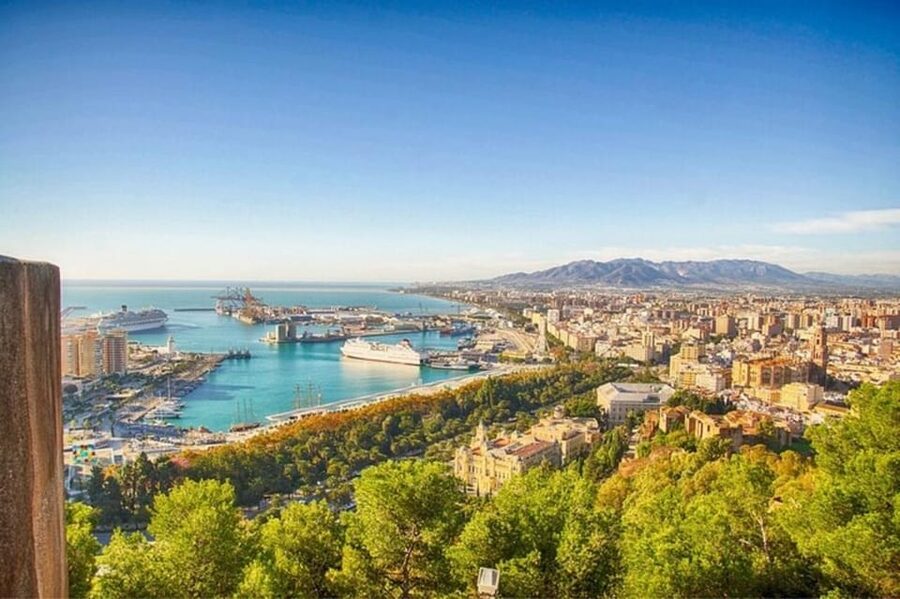
Malaga is one of those cities where the past isn’t locked behind glass. It’s in the street shape, the walls, and even the way certain landmarks sit on top of earlier worlds. This tour’s smart move is that it doesn’t treat sites as separate “photo moments.” It frames them as connected chapters.
I also like that the pace fits real travel life. Two hours is short enough to keep it manageable on a busy itinerary, yet long enough that you leave with names you can actually remember: Cathedral, Alcazaba, Roman Theater, Church of Santiago, and the Picasso-linked stops.
Meet at Alameda Principal and get your bearings
You start at Alameda Principal, 1, in the heart of the city center. That location matters because it’s close to major sights, so you’re not wasting your first minutes zigzagging through streets just to begin.
From there, the tour sets you up to understand the geography of Malaga. The guide helps you connect what you see at ground level (streets, squares, buildings) with what you’re about to reach on foot (fortress areas and archaeological remains). It’s the kind of orientation that helps you later, when you’re wandering on your own.
Plaza de la Merced: where Picasso stories start
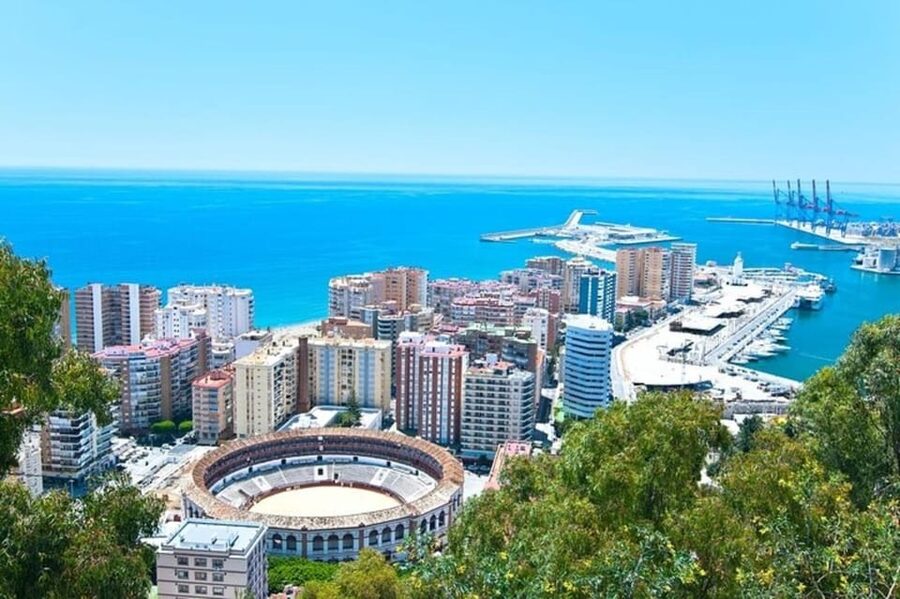
The tour’s first major stop is Plaza de la Merced. Expect a photo stop plus guided sightseeing, and then time to simply look around. This square is one of the places that turns Picasso from an abstract artist name into a local person with a real childhood setting.
What I’d watch for here is how the guide ties the place to Picasso’s early years. The key detail is that you’ll come away understanding why this part of Malaga gets treated like a home base for his story. You’ll also get natural photo angles and a feel for the neighborhood flow before you move toward the heavier-historic sites.
The old town on foot, more routes
- Málaga: 2h Walking Historical Tour–Art, Culture and Legends
★ 4.9 · 341 reviews - Malaga Private Walking Tour, Alcazaba & Catamaran Cruise
★ 5.0 · 159 reviews - Walking Tour of Malaga’s Historic Center
★ 4.5 · 134 reviews
Malaga Cathedral: reading the city through stone and style
Next comes Malaga Cathedral. You’ll get a photo stop and a guided visit, with short walk time that keeps you from feeling trapped in one spot.
Why this stop is worth it: big cathedrals can feel like they’re all the same on a global tour. But with a local guide, the building becomes a marker for how Malaga’s identity shifted over time. You’ll also get tips on what to notice as you move around—useful if you want to return later with a more informed eye.
Alcazaba of Malaga: Moorish fortress, real viewpoint payoff
Then it’s Alcazaba of Malaga, an 11th-century Moorish fortress. You’ll do a guided visit and photo moments, then walk through the fortress area at a relaxed pace.
This is the stop where you tend to feel the scale. Fortress walls aren’t just pretty backdrops; they’re built for defense and control, which changes the way you perceive the terrain. If you care about architecture or city planning (even a little), you’ll appreciate how the Alcazaba position explains why it’s so visually commanding.
Also, don’t rush your eyes. In this kind of setting, the details matter: the way structures align, the way sightlines work, and the way the view frames the rest of Malaga.
Malaga Museum: Fine Arts and Archaeology in the same visit
After the fortress, you’ll pass by the Malaga Museum, which houses the Fine Arts and Archaeology museums. Even when you’re not spending hours indoors, this stop adds something important: it shows how Malaga stores its own evidence.
I like this pairing because it avoids a common travel mistake. People see “art museum” and think it’s only about paintings, and they see “archaeology” and think it’s only about stones. Here, you’re reminded that Malaga’s creative culture and its physical past aren’t separate stories.
If you want to follow up later, your guide’s suggestions (the kinds you usually only get on a good walk) can help you decide what to prioritize inside.
Church of Santiago: the oldest church and the Picasso baptism link
The tour then heads to the Church of Santiago, described as the oldest in Málaga, with a 1490 construction date. You’ll have a photo stop and guided sightseeing here too.
The big reason people remember this stop is the connection to Picasso: it’s where he was baptized. That detail turns the church into more than just a historic building. It becomes a personal milestone in the artist’s timeline, anchored to a specific place you can stand in front of.
One practical note: churches are often quieter and more inward-facing than outdoor squares. It’s a good moment to slow your pace, look closely, and let the guide explain what you might otherwise miss.
Roman Theater (Teatro Romano de Málaga): archaeology you can walk around
Next up is the Roman Theater of Málaga—a historic site from the 1st century BC. You’ll get another photo stop and a guided explanation, with time that helps you understand what you’re actually looking at.
Roman theaters aren’t just ruins. They’re built for acoustics, crowds, and performance, even if you’re only seeing parts of the structure today. A guide helps you picture how it functioned and where an audience would have stood or sat. When that clicks, the site feels much more alive.
If you like ancient history but find museum captions too vague, this is exactly the kind of stop that makes the past feel physical. The theater’s remains do a lot of storytelling once you know the basic context.
Plaza de la Merced to Calle Larios: switching from past to present
After the heavier historic sites, the tour eases into the city’s everyday rhythm. You’ll pass by areas around Costa del Sol (as a stop) and then reach the pedestrian streets.
The highlight here is Calle Larios, one of Malaga’s most emblematic pedestrian streets. The tour also includes Calle Marqués de Larios on the way. Expect photo stops and sightseeing, with shopping time built in.
This section is valuable because it gives you a contrast. You’re coming from fortress walls and Roman remains, and now you’re seeing where locals walk, shop, and meet. It’s also a chance to pick up practical tips for your remaining hours in Malaga: where people spend time, what to browse, and what area makes sense if you want a relaxed return walk later.
What the guides do (and why it matters): David, Borja, Maura, and Maura’s kind pacing
This tour earns strong ratings for one reason: the guide effect is real. Multiple guide names show up with consistent praise—David for preparedness and friendliness, Borja for professional and responsive guidance, and Maura for being enjoyable and clearly good at leading.
What does that look like in the real experience? You’ll get explanations that connect sites, not just facts. And you’ll get suggestions for other things to do in Malaga, which is one of the highest-value parts of any walking tour. A good guide helps you turn what you saw into a plan for what comes next.
If you like to feel like someone is handing you a local’s roadmap (without taking over), this is the kind of tour where that happens naturally during the walk.
Price and value: $35 for two hours that actually earns its keep
At $35 per person for 2 hours, the price is in the fair-to-reasonable range for a guided walking tour in a major city center. The main value driver isn’t just the number of stops. It’s that the route hits major anchors—Cathedral, Alcazaba, Roman Theater, a church tied to Picasso, and key squares—and still leaves you room to absorb the story.
Also, it’s guide-led only, so you’re paying for the thinking behind the visit, not for added packaged experiences. That’s often the better deal if you want independence after the tour.
The one cost tradeoff: food or drinks aren’t included. That’s not a deal-breaker, but it does mean you should eat beforehand or plan a post-tour snack break near the center.
Who should book this walking tour (and who should skip it)
This tour is a great fit if you want a guided overview that mixes big architectural eras with Picasso context. It’s also solid for first-timers because it hits a lot of Malaga’s recognizable landmarks without requiring you to research each one from scratch.
You might want to pick a different style of tour if you:
- want long indoor time at museums rather than walking between landmarks,
- prefer a slower pace with more free time at fewer stops,
- hate city-center walking when crowds are high.
If you’re the kind of traveler who likes to understand what you’re looking at, this walk is designed for you.
Should you book this Malaga walking tour?
I’d book it if you’re short on time and want a fast, meaningful orientation to Malaga’s core sights. The route covers Roman, Moorish, Christian, and Picasso-linked stops in a tight 2-hour loop, and the guide quality seems consistently strong based on repeated positive comments about people like David, Borja, and Maura.
I’d hesitate only if you don’t enjoy walking for a couple of hours, or if you want food/drinks included as part of the experience. Otherwise, it’s a good-value way to turn Malaga’s “I’ve heard of that” landmarks into stories that make sense while you’re standing in front of them.
FAQ
How long is the walking tour?
It runs for 2 hours.
Where does the tour start?
Meet your guide at Alameda Principal, 1 in the city center.
What is included in the price?
The tour includes a walking tour and a guide.
Is food or drinks included?
No. Food or drinks are not included.
What languages are available?
The live guide is offered in English, French, Italian, and Spanish.
Is the tour wheelchair accessible?
Yes, the tour is wheelchair accessible.
Can I cancel for a refund?
Yes. You can cancel up to 24 hours in advance for a full refund.
Is there a private group option?
Yes, private group availability is offered.
—
If you tell me when you’re going (month and time of day), I can suggest how to pair this walk with a sensible next stop for photos and a no-stress meal nearby.
The Old Town on Foot
- Málaga: 3-Hour Complete Walking Tour with Tickets
★ 4.5 · 976 reviews - Málaga: 2h Walking Historical Tour–Art, Culture and Legends
★ 4.9 · 341 reviews - Málaga: Cathedral, Alcazaba, Roman Theater Walking Tour
★ 4.7 · 315 reviews - Malaga Private Walking Tour, Alcazaba & Catamaran Cruise
★ 5.0 · 159 reviews - Walking Tour of Malaga’s Historic Center
★ 4.5 · 134 reviews - Guided Walking Tour of the Old Town of Frigiliana
★ 5.0 · 101 reviews
More Málaga Trips, Reviewed
- Malaga: Catamaran Sailing Trip with Sunset Option
★ 4.4 · 8,613 reviews - Málaga: Alcazaba and Roman Theatre Guided Tour With Entry
★ 4.8 · 5,792 reviews - Ronda and Setenil Tour with Free Time and Map from Málaga
★ 4.8 · 5,344 reviews - From Málaga: Caminito del Rey Day Trip & Guided Tour
★ 4.8 · 4,683 reviews - From Malaga and Costa del Sol: Gibraltar Tour
★ 4.4 · 4,483 reviews - Malaga: Teatro Flamenco Malaga Live Flamenco Show
★ 4.7 · 4,254 reviews
The Old Centre, Keep Walking
- Malaga Bike Tour – Old Town, Marina & Beach
★ 4.7 · 1,150 reviews - Málaga: 3-Hour Complete Walking Tour with Tickets
★ 4.5 · 976 reviews - Málaga: Highlights, Hidden Gems and Coast Vintage Bike Tour
★ 4.7 · 459 reviews - Málaga: Cathedral, Alcazaba, Roman Theater Walking Tour
★ 4.7 · 315 reviews - Malaga: Complete City Highlights Segway Tour
★ 4.9 · 232 reviews - Malaga Private Walking Tour, Alcazaba & Catamaran Cruise
★ 5.0 · 159 reviews
Fresh Off the Boat: Newly Reviewed Málaga Trips



Málaga Old Town Walks, side by side.
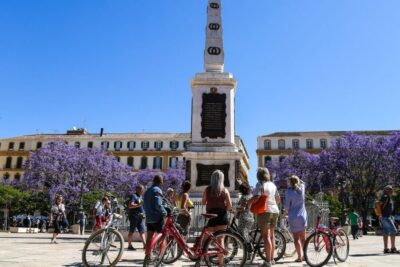 ★ 4.7Malaga Bike Tour – Old Town, Marina & BeachFrom $381,150 reviews
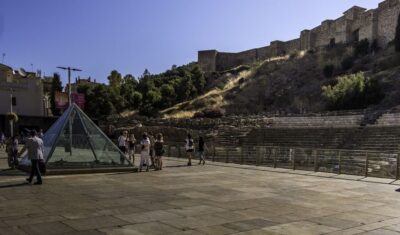 ★ 4.53-Hour Complete Walking Tour with TicketsFrom $37976 reviews
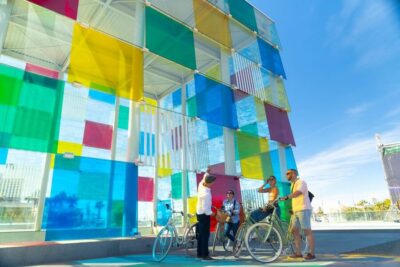 ★ 4.7Highlights, Hidden Gems and Coast Vintage Bike TourFrom $33459 reviews
 ★ 4.7Cathedral, Alcazaba, Roman Theater Walking TourFrom $53315 reviews
 ★ 4.9Complete City Highlights Segway TourFrom $61232 reviews
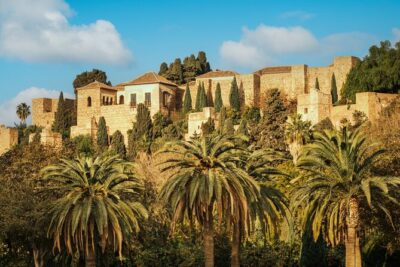 ★ 5.0Malaga Private Walking Tour, Alcazaba & Catamaran CruiseFrom $264159 reviews
 ★ 4.5Walking Tour of Malaga’s Historic CenterFrom $12134 reviews
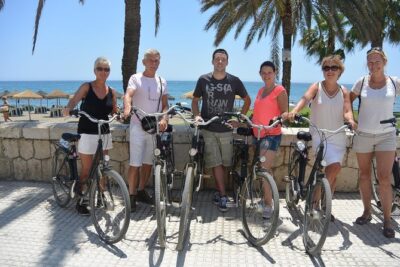 ★ 5.0Highlights and Treasures of Malaga City Bike TourFrom $37119 reviews
Other lists this tour appears in