
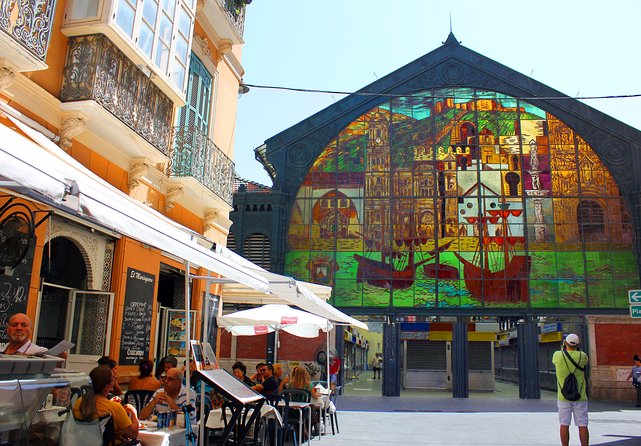
Review · MáLAGA OLD TOWN WALKS
Private walking tour
Malaga packs a lot into two hours. This private walking tour threads together Roman leftovers, Arab-era defenses, and the real Picasso streets—guided by Elmira, who keeps the stories sharp and easy to follow. I really like the small-group feel (up to 10, only your group) and how the pace stays human, even with a hill.
Two things I especially like: first, you get the city’s layers in the right order, from the Dark Door Roman port-gate vibe to today’s central streets. Second, the guide storytelling is the star—fun, clear, and flexible when you have questions. One review even noted Elmira worked the visit in a way that felt smooth from cruise arrival to the end of the day.
The main thing to consider is physical effort. Alcazaba involves a walk up and down that can take around 40 minutes, and monument entries at Alcazaba, Picasso’s birthplace house, and Malaga Cathedral cost extra.
In This Review
- Key Highlights You’ll Feel Right Away
- From the Dark Door to the Old-Port Past
- The Plant Park + the City’s Official Buildings (Without Boredom)
- Alcazaba: The Arab Fortress Climb (and the Payoff Views)
- What makes this stop worth extra effort
- A practical drawback to keep in mind
- The Roman Theater: Built for Drama, Discovered by Chance
- Time reality check
- Plaza de la Merced: Picasso’s Birthplace Area and a Revolutionary Obelisk
- Optional add-on: the Picasso birthplace house
- The best way to use this stop
- Picasso’s Baptism Spot: A Church Visit That’s More About Symbols
- A small consideration
- Malaga Cathedral: Unfinished, Mixed-Style, and Tied to a Mosque
- Why the unfinished part matters
- Practical tip
- Ending on Calle Marqués de Larios: Traditions, Teeth, and Time
- Price and Value: When $101.27 Makes Sense
- Tips to Get the Most From a 2-Hour Walk
- Who Should Book This Tour (and Who Might Skip It)
- Should You Book This Private Malaga Walking Tour?
- FAQ
- How long is the private walking tour in Malaga?
- What is the group size for this private tour?
- What is the price of the tour?
- Is the tour offered in English?
- Are tickets for monuments included in the tour price?
- What should I expect at Alcazaba?
- How physical is the tour?
- Where does the tour start and end?
- Can I cancel for free?
Key Highlights You’ll Feel Right Away
- Dark Door start: A Roman port gate origin and Malaga name/symbols that set the tone fast
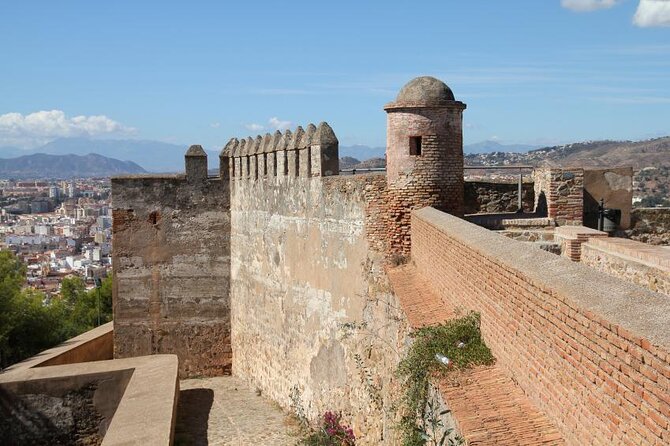
- Alcazaba focus: Arab fortress built around a thousand years ago, plus stories and legends
- Picasso stops with context: Plaza de la Merced, his monument, and optional house visit
- Two-thousand-year Roman theater: Seats for men and women, plus what actors were like
- Cathedral and mosque overlap: An unfinished mix of styles you can actually see
- Calle Marqués de Larios finish: Historic main-street energy and a quirky local legend
Keep wandering the old centre, more routes
- Malaga Bike Tour – Old Town, Marina & Beach★ 4.7 · 1,150 reviews
- Málaga: 3-Hour Complete Walking Tour with Tickets★ 4.5 · 976 reviews
- Málaga: Highlights, Hidden Gems and Coast Vintage Bike Tour★ 4.7 · 459 reviews
- Málaga: Cathedral, Alcazaba, Roman Theater Walking Tour★ 4.7 · 315 reviews
From the Dark Door to the Old-Port Past
You start at the Dark Door, called the Dark Door and remembered as a port gate from Roman times. It’s a great way to begin because it instantly answers a question you’ll have in Malaga: where is the old city hiding behind all the modern movement? The guide ties that origin to the meaning of Malaga’s name and the symbols you’ll notice around town.
From there, the tour doesn’t wander aimlessly. It moves you into a zone where history is visible without needing a classroom. You’ll get oriented—what parts of Malaga feel older, which streets feel like they were built for power and trade, and how the city’s story keeps repeating itself with new rulers and new styles.
And yes, you’ll probably feel a little curious grin the first time the guide connects a symbol you thought was just decorative to something historical. That’s the tour’s rhythm: not just facts, but links.
The Plant Park + the City’s Official Buildings (Without Boredom)
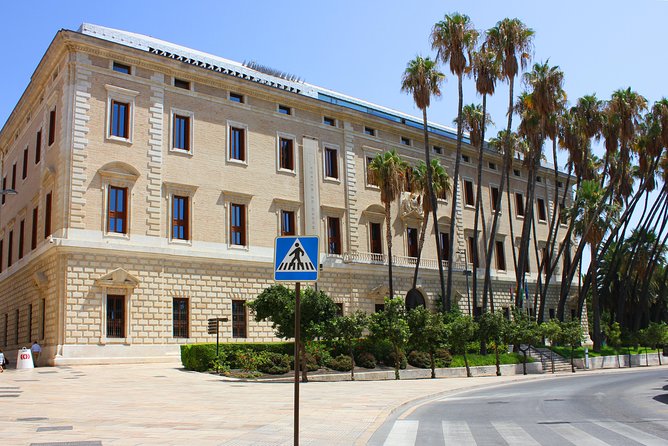
Next comes a stop in a park area with more than 155 exotic plants. That might sound like a pause, but it works because it breaks the pace right before you tackle major monuments. It’s also a good reminder that Malaga isn’t only stone and museums. It’s a city that grew with agriculture, trade winds, and imported greenery.
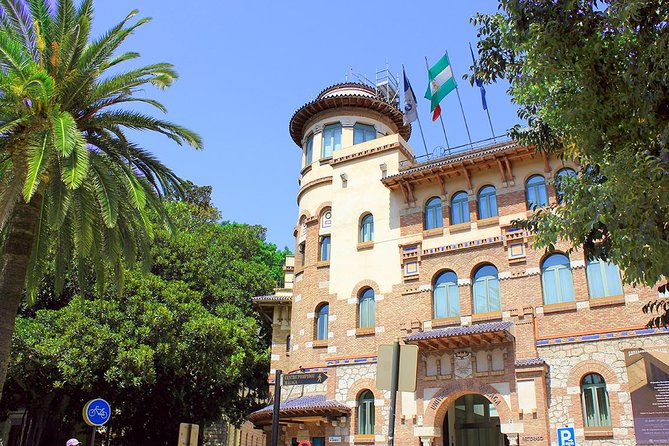
The guide shares plant facts that are the kind you actually remember because they’re tied to place. And then you walk an alley where you’ll see buildings that are about 100 years old—including the Town Hall, Malaga City University, and the National Bank of Spain. This matters because it shows Malaga isn’t stuck in ancient time. You’re seeing the next “layer era,” where the city was getting formal, administrative, and modern.
If you like photos, this section gives you a nice mix: greenery, stone façades, and street angles that feel distinct from the cathedral and fortress areas later.
Alcazaba: The Arab Fortress Climb (and the Payoff Views)
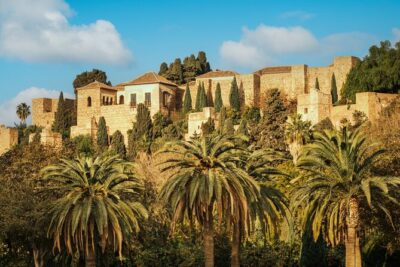
Alcazaba is the big climb. It was built by Arabs around 1,000 years ago, and the guide frames it with the long conflict between Moors and Christians—an eight-century war that shaped the region. You’ll hear legends too, which is important here: Alcazaba isn’t only about architecture. It’s also about how people have explained its existence through story.
How long it takes: plan for about 40 minutes to climb up and go down when you visit. That’s not a full hike, but it’s not a gentle stroll either.
Tickets: there’s an entry fee of 3.5 euros, and it’s not included in the tour price.
The old town on foot, more routes
- Málaga: 2h Walking Historical Tour–Art, Culture and Legends
★ 4.9 · 341 reviews - Malaga Private Walking Tour, Alcazaba & Catamaran Cruise
★ 5.0 · 159 reviews - Walking Tour of Malaga’s Historic Center
★ 4.5 · 134 reviews
What makes this stop worth extra effort
Alcazaba gives you a physical understanding of Malaga. From the walls and viewpoints, the city’s layout makes more sense. Even if you’re not a fortress person, you’ll start seeing why defenses were placed where they were and how the city’s geography mattered.
A practical drawback to keep in mind
If you don’t want the climb, you might feel slightly rushed or choose to limit your time. The tour is still good for history even if you pace yourself, but bring comfortable shoes and expect some stairs.
The Roman Theater: Built for Drama, Discovered by Chance
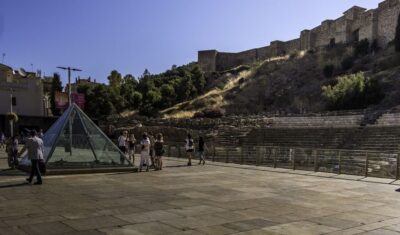
After Alcazaba, you reach the 2000-year-old Roman theater. It was discovered by accident, and that detail alone makes you want to look twice. This is the kind of site where the setting matters: the stone, the slope, the way the space would have carried voices.
The guide explains where the seats for women and men were and shares what the status of actors was in Roman times. That last piece is often the eye-opener—because it reframes what you think you know about theater. You’re not just visiting ruins. You’re learning how society treated performers.
Time reality check
This stop doesn’t list a fixed time in the details you have, but the tour is about 2 hours total, so expect a brisk, focused experience rather than lingering like you would on a standalone museum visit.
Plaza de la Merced: Picasso’s Birthplace Area and a Revolutionary Obelisk
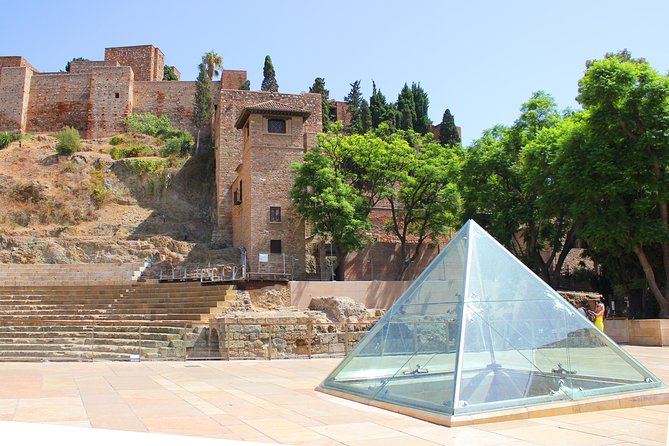
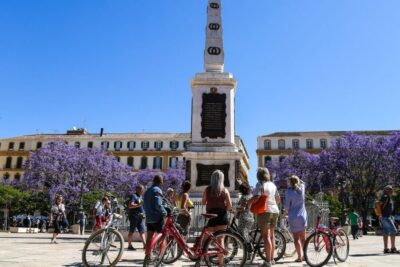
Then you land in Plaza de la Merced, one of Malaga’s most iconic squares. Here you see the birthplace of Pablo Picasso and his monument. The guide talks about his birth and childhood, and it doesn’t feel like a lecture. It’s more like a walking biography anchored to the streets you can stand on.
There’s also an obelisk dedicated to the death of a Spanish revolutionary. That’s a key part of why this square works. Picasso dominates the headline, but Malaga won’t let you forget politics, conflict, and public memory.
Optional add-on: the Picasso birthplace house
If you want to go inside, you can visit the house where Picasso was born. The tour mentions this around 15 minutes, with an entry fee of 3.5 euros not included in the tour price.
The best way to use this stop
If you’re short on time, just enjoy the exterior area and save the house entry for if you’re truly Picasso-leaning. Either way, you’ll come away with a clearer sense of why this place matters beyond fame.
Picasso’s Baptism Spot: A Church Visit That’s More About Symbols
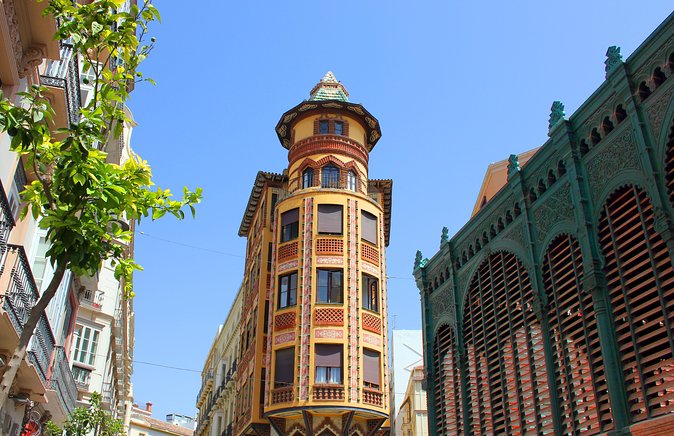
Next is a church famous as Picasso’s baptism place, and also for sculptures and religious paintings that grant your wishes. That wish statement can sound like a marketing line, but in a church context it points to something real: people came here looking for meaning, comfort, and hope.
This stop is also a reminder that Malaga’s culture isn’t separated into neat categories. Art, religion, and daily life all share the same streets.
A small consideration
The tour details don’t mention a church ticket fee, so I wouldn’t plan on an entrance charge. But since it’s a religious site, you’ll likely want to dress and behave appropriately. The guide will keep you oriented.
Malaga Cathedral: Unfinished, Mixed-Style, and Tied to a Mosque
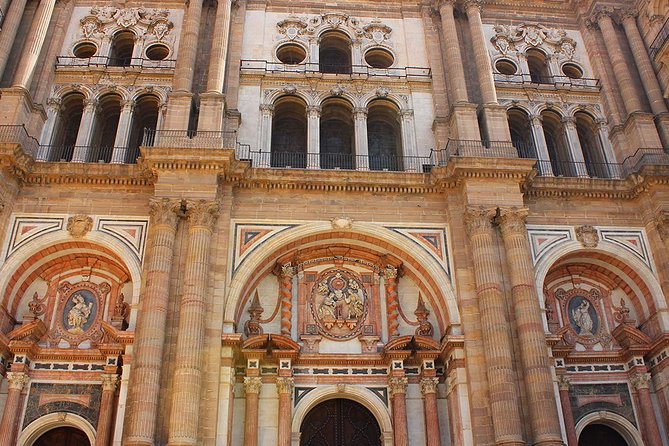
Malaga Cathedral is the kind of place that surprises you because of its unfinished feel. It’s described as a “gem” of the city, and it combines different styles with part of a Muslim mosque. That mix is the whole story of Malaga in miniature: layers of belief and power building on top of each other.
Optional visit: if you can visit, it usually takes about 20 to 30 minutes. The entry ticket is 7 euros, not included in the tour price.
Why the unfinished part matters
An unfinished cathedral can feel odd if you expect a perfect, completed monument. But here it’s useful. It shows that history doesn’t obey deadlines. You see the city’s timeline in stone—what started, what changed, and what got completed under different ideas.
Practical tip
If your legs are already tired from Alcazaba, choose how long you want inside the cathedral. The guide can help you decide based on your interests and pace.
Ending on Calle Marqués de Larios: Traditions, Teeth, and Time
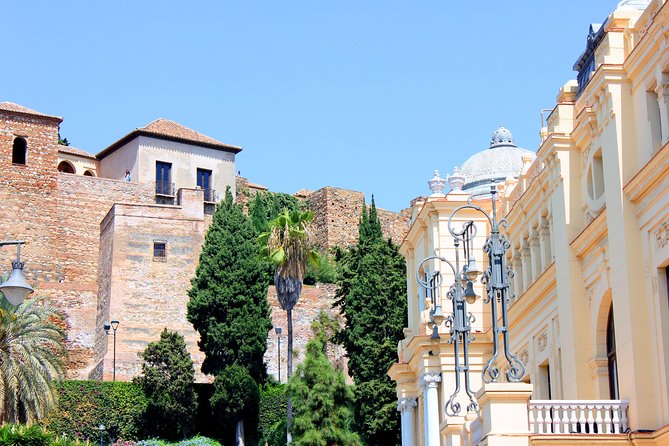
The tour finishes on Calle Marqués de Larios, Malaga’s main street. It’s known as a shopping street, but the tour adds personality with local humor: the street is described as the paradise of women with a husband’s credit card. Then the guide gets more specific about the story of the founder and how the city was disinfected at the expense of architecture.
That last bit sounds strange until you think about city modernization. Changes to sanitation and public health often come with big trade-offs. This tour doesn’t just show you buildings—it gives you a reason behind the changes.
You also stop at a main square tied to the port and the city heart. Historically, it used to be a place for bullfights and executions. Now, the guide connects it to New Year’s Eve tradition: at midnight, when the chimes strike 12, people make a wish, eat 12 grapes, and believe the wish will come true.
You don’t need to be visiting on New Year’s Eve to enjoy this. It helps you understand how Malaga’s public spaces carry rituals that keep the city feeling alive.
Price and Value: When $101.27 Makes Sense
The tour price is $101.27 per group (up to 10 people) for about 2 hours. That sounds like a lot until you do the math.
- If your group has 4 people, you’re paying roughly $25 per person.
- If you fill closer to 8–10 spots, the per-person cost drops fast.
So the value is strongest if you’re traveling with friends or family, and you want one guide handling the walking logic and the story thread.
You should also factor in the optional/extra monument tickets:
- Alcazaba: 3.5 euros
- Picasso birthplace house: 3.5 euros
- Malaga Cathedral: 7 euros
Those fees don’t make the tour “bad value.” They just make it more honest. You’re paying for guiding and walking, and you choose how many paid entries you want.
Finally, there’s a practical hint in the booking pattern: it’s typically booked about 46 days in advance, which tells you this is a popular way to see central Malaga efficiently. If your dates are fixed, booking earlier helps.
Tips to Get the Most From a 2-Hour Walk
Here’s how to make this tour feel effortless instead of rushed:
- Wear comfortable shoes. Alcazaba includes a climb and descent around 40 minutes.
- If you hate waiting in lines, go into the paid-entry stops with a simple plan: decide before you arrive how much time you’ll spend in each place.
- Bring small water needs. A 2-hour walk can feel longer under sun.
- If you want the most from the guide, ask questions. Multiple reviews highlight how Elmira keeps answers clear and never makes you feel silly for asking.
- If you’re a cruise passenger, timing can matter. One review described how Elmira helped the day feel connected from ship arrival through the tour.
Language is English, and the tour uses a mobile ticket, so you’ll want your phone charged.
Who Should Book This Tour (and Who Might Skip It)
This tour is a strong fit for you if:
- you want a private experience with your own group
- you like a guided story that links places, not a checklist of monuments
- you’re interested in Malaga’s layers: Roman, Arab, Roman theater, Picasso, and cathedral changes
You might consider skipping (or at least adjusting expectations) if:
- you’re very sensitive to stairs and climbs
- you mainly want one big museum-style experience rather than a mix of squares, streets, and viewpoints
- you don’t want to budget for optional entry fees
Should You Book This Private Malaga Walking Tour?
Yes—if you want a focused, guided route that explains why Malaga looks the way it does. The biggest win is the guide’s energy and clarity, especially Elmira’s storytelling style. The tour also gives you a smart mix of art and architecture without making it feel like you’re rushing museum-to-museum.
Just budget for optional entries (Alcazaba, the Picasso birthplace house, and Malaga Cathedral). And wear shoes that forgive hills. If you do that, you’ll come away with more than photos—you’ll understand the city’s layers in a way that lasts.
FAQ
How long is the private walking tour in Malaga?
It’s about 2 hours (approx.).
What is the group size for this private tour?
It’s a private tour and your group will be the only participants. The price is per group of up to 10.
What is the price of the tour?
The price is $101.27 per group (up to 10).
Is the tour offered in English?
Yes, it’s offered in English.
Are tickets for monuments included in the tour price?
No. Some entries cost extra: Alcazaba (3.5 euros), Picasso birthplace house (3.5 euros), and Malaga Cathedral (7 euros) are not included.
What should I expect at Alcazaba?
It includes an up-and-down climb that normally takes around 40 minutes. You can visit monuments there, and the 3.5 euros ticket is not included.
How physical is the tour?
It’s recommended for travelers with moderate physical fitness due to walking and the Alcazaba climb.
Where does the tour start and end?
It starts near the Estatua del Biznaguero in Jardines de Pedro Luis Alonso and ends on Calle Marqués de Larios.
Can I cancel for free?
Yes. You can cancel up to 24 hours in advance for a full refund.
The Old Town on Foot
- Málaga: 3-Hour Complete Walking Tour with Tickets
★ 4.5 · 976 reviews - Málaga: 2h Walking Historical Tour–Art, Culture and Legends
★ 4.9 · 341 reviews - Málaga: Cathedral, Alcazaba, Roman Theater Walking Tour
★ 4.7 · 315 reviews - Malaga Private Walking Tour, Alcazaba & Catamaran Cruise
★ 5.0 · 159 reviews - Walking Tour of Malaga’s Historic Center
★ 4.5 · 134 reviews - Guided Walking Tour of the Old Town of Frigiliana
★ 5.0 · 101 reviews
More Málaga Trips, Reviewed
- Malaga: Catamaran Sailing Trip with Sunset Option
★ 4.4 · 8,613 reviews - Málaga: Alcazaba and Roman Theatre Guided Tour With Entry
★ 4.8 · 5,792 reviews - Ronda and Setenil Tour with Free Time and Map from Málaga
★ 4.8 · 5,344 reviews - From Málaga: Caminito del Rey Day Trip & Guided Tour
★ 4.8 · 4,683 reviews - From Malaga and Costa del Sol: Gibraltar Tour
★ 4.4 · 4,483 reviews - Malaga: Teatro Flamenco Malaga Live Flamenco Show
★ 4.7 · 4,254 reviews
The Old Centre, Keep Walking
- Malaga Bike Tour – Old Town, Marina & Beach
★ 4.7 · 1,150 reviews - Málaga: 3-Hour Complete Walking Tour with Tickets
★ 4.5 · 976 reviews - Málaga: Highlights, Hidden Gems and Coast Vintage Bike Tour
★ 4.7 · 459 reviews - Málaga: Cathedral, Alcazaba, Roman Theater Walking Tour
★ 4.7 · 315 reviews - Malaga: Complete City Highlights Segway Tour
★ 4.9 · 232 reviews - Malaga Private Walking Tour, Alcazaba & Catamaran Cruise
★ 5.0 · 159 reviews
Fresh Off the Boat: Newly Reviewed Málaga Trips



Málaga Old Town Walks, side by side.
 ★ 4.7Malaga Bike Tour – Old Town, Marina & BeachFrom $381,150 reviews
 ★ 4.53-Hour Complete Walking Tour with TicketsFrom $37976 reviews
 ★ 4.7Highlights, Hidden Gems and Coast Vintage Bike TourFrom $33459 reviews
 ★ 4.7Cathedral, Alcazaba, Roman Theater Walking TourFrom $53315 reviews
 ★ 4.9Complete City Highlights Segway TourFrom $61232 reviews
 ★ 5.0Malaga Private Walking Tour, Alcazaba & Catamaran CruiseFrom $264159 reviews
 ★ 4.5Walking Tour of Malaga’s Historic CenterFrom $12134 reviews
 ★ 5.0Highlights and Treasures of Malaga City Bike TourFrom $37119 reviews
Other lists this tour appears in