Review · MÁLAGA
Visita teatralizada nocturna al Cementerio Inglés de Málaga
Málaga changes character after dark, and this tour leans into that. I love the way the actors tell the story and how the cemetery itself feels like the main character, not a backdrop. It’s fun, even if the subject matter turns grim fast, so you may want to know what you’re signing up for if you’re sensitive to executions and death.
You’ll visit Málaga’s first English cemetery, a place built in 1831, but the experience is really about the beliefs and rules around non-Catholic burials that came before it. Plan for a low-light walk and one key rule: once the visit starts, you can’t enter or leave until it ends.
In This Review
- Key things you’ll notice
- A night visit to Málaga’s first English cemetery
- Why the dramatized format hits harder after dark
- Where you start and how the 1.5 hours actually play out
- The stories you’ll hear: Kritschman, Robert Boyd, and Mary Ann
- The cemetery at dusk: what you’ll actually see
- Spanish-only means you’ll rely on the actor delivery
- Price and value for about 1.5 hours
- Who should book this, and who might skip it
- The biggest practical tips before you go
- Should you book the Cementerio Inglés nocturna?
- FAQ
- How long is the English Cemetery night visit?
- What language is the tour in?
- What does the ticket price include?
- Where do I meet the group?
- What time should I arrive before the tour?
- Can I enter or leave after the visit starts?
- Are there bathrooms available during the tour?
- Is the cemetery visit open to the public at dusk?
- Is there free cancellation?
Key things you’ll notice
- First English cemetery of the Peninsula: you’re standing in a landmark from the 1800s
- Night, at dusk, and closed to the public: the timing makes the atmosphere feel specific
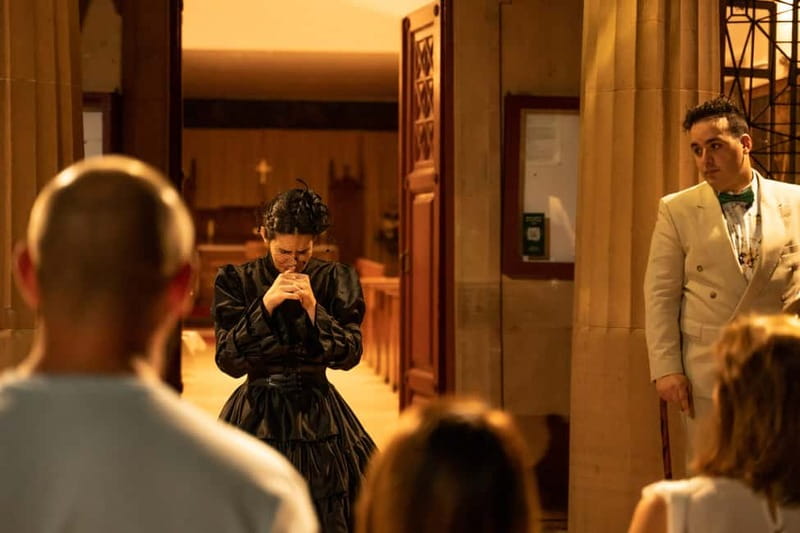
- Actors in period roles: the stories are staged, not just read off a plaque
- Real named stories: you’ll hear about captain Kritschman, Robert Boyd, and Mary Ann
- The stone angel scene: Mary Ann is tied to the cemetery’s most famous sculpture
- No bathroom access until the end: this is a “plan ahead” kind of tour
Weighing it up? Set it beside a few Málaga favourites first.
- Malaga: Catamaran Sailing Trip with Sunset Option★ 4.4 · 8,613 reviews
- Málaga: Alcazaba and Roman Theatre Guided Tour With Entry★ 4.8 · 5,792 reviews
- Ronda and Setenil Tour with Free Time and Map from Málaga★ 4.8 · 5,344 reviews
- From Málaga: Caminito del Rey Day Trip & Guided Tour★ 4.8 · 4,683 reviews
A night visit to Málaga’s first English cemetery
This is a theatrical nocturnal visit inside the Cementerio Inglés de Málaga, starting at dusk and run as a closed experience rather than a casual walk-through. The cemetery is special even before the actors show up: it’s considered the first English cemetery on the Iberian Peninsula, created in 1831.
The tour’s pitch is simple: you’ll get stories that sound impossible, and you’ll get them in the place where they belong. Think shipwreck drama, unfair punishment, and the kind of funeral rule-breaking that only happens when societies collide. You’re not just learning dates. You’re hearing how people in Málaga were treated when they weren’t Catholic, and how a cemetery built for a Protestant community changed the city’s reality.
I also like that the mood stays adult. It’s not a cute ghost story. It’s more like history with sharp edges.
Why the dramatized format hits harder after dark
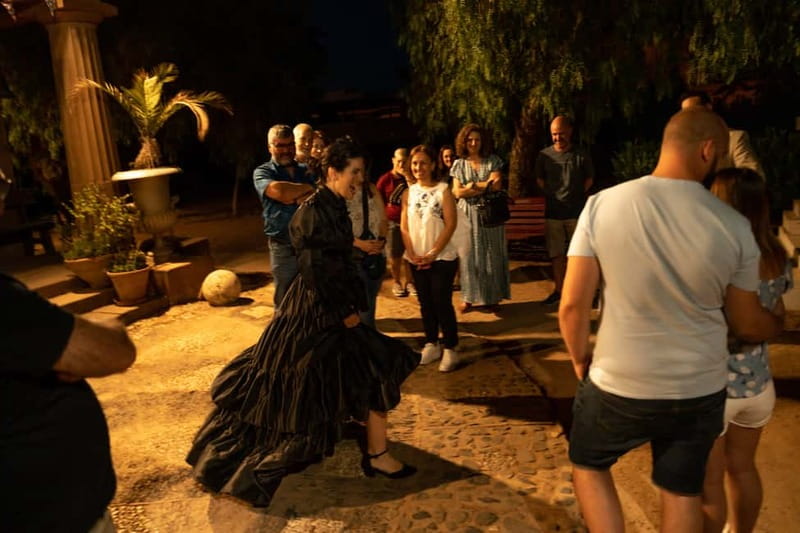
The big difference between this and a standard cemetery tour is pacing and performance. You’ll be led by guides who “live” the era, meaning the stories come with attitude and timing, not just information. When that happens at night, the cemetery stops feeling like a museum and starts feeling like a stage.
You’ll hear about Málaga’s earlier multicultural period as something that could coexist—until death. The tour frames the pre-1831 system like this: non-Catholics were buried standing on the beach, and the dramatized telling emphasizes how harsh and vulnerable that was. Then comes 1831, when the English cemetery is built and the burial story changes for the living and the dead.
That structure matters for you because it turns a location visit into a cause-and-effect story. You get to understand why a Protestant cemetery was needed, not just that it exists.
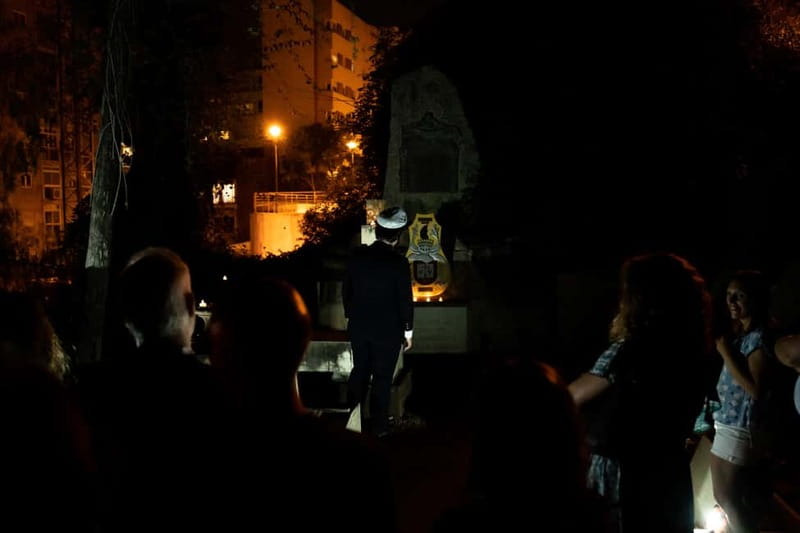
A small but practical note: one review-style takeaway I’d treat as real life advice is that lighting can be limited. So the show works best when you’re okay with shadows and silhouettes. If you’re expecting bright, photo-ready pathways, you may feel a bit frustrated.
Where you start and how the 1.5 hours actually play out
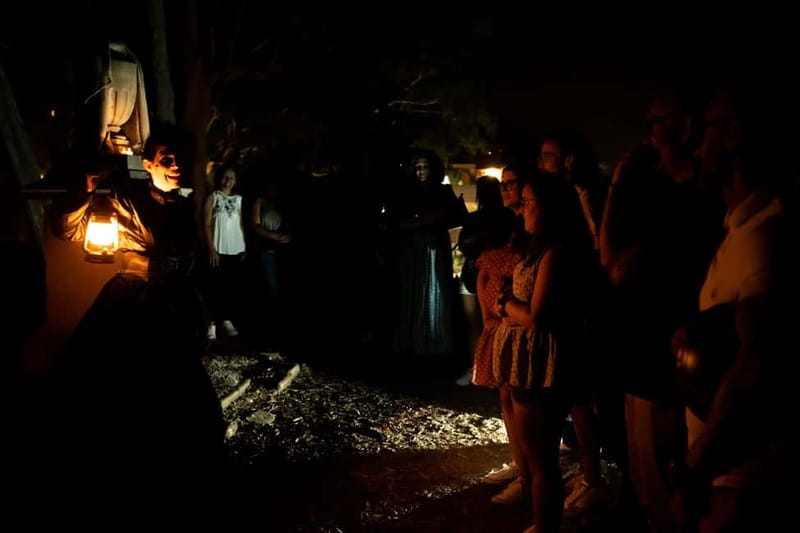
Your entry point is the entrance of the English cemetery. From the moment you arrive, you’re working to a schedule: I strongly recommend you get there about 15 minutes early, because you won’t want to be rushed, especially when it’s getting dark.
The tour includes skip-the-line access via a separate entrance, which is helpful because you’re trying to start on time, not wait around. Once the visit begins, there’s a hard rule: you can’t enter or leave during the tour. There are also no bathrooms available until the end, so if you need a break, do it before you go in.
In the time you have—about 1.5 hours—you’re not meant to wander. You’re meant to follow the story beats. Expect the guides to lead you through the cemetery while bringing specific narratives to life. The night setting keeps you alert. The performance style keeps you following along even when the subject matter gets uncomfortable.
The tour ends back at the cemetery’s exit. If you’re planning dinner right after, give yourself a little buffer, since you’ll only be done when the group finishes.
- Malaga: Catamaran Sailing Trip with Sunset Option
★ 4.4 · 8,613 reviews - Málaga: Alcazaba and Roman Theatre Guided Tour With Entry
★ 4.8 · 5,792 reviews - Ronda and Setenil Tour with Free Time and Map from Málaga
★ 4.8 · 5,344 reviews
The stories you’ll hear: Kritschman, Robert Boyd, and Mary Ann
This is where the tour earns its value. The cemetery becomes a map for named tales, and you’ll get a sense that these weren’t invented legends. They’re treated as accounts tied to real people connected with Málaga’s English Protestant community.
Here are the story anchors you should listen for:
- Captain Kritschman and the great shipwreck
You’ll hear a narrative connected to the major shipwreck of Málaga. The key isn’t only the disaster itself, but what it reveals about danger, distance, and how quickly life could change for visitors and locals alike.
- Robert Boyd and an unjust execution
The tour includes the story of Robert Boyd’s execution, presented as something unfair and cruel. It’s the kind of scene that makes the cemetery feel like more than a resting place—it feels like the end of a conflict.
- Mary Ann and the stone angel
The most famous visual point is the stone angel, connected to Mary Ann. This is a moment you’ll want to pay attention to, because it gives the cemetery a focal symbol. You go in thinking you’ll just walk among graves, then the show points you toward one sculpture as a centerpiece of meaning.
What I like about hearing these names in the cemetery itself is how it changes your attention. Instead of reading in one spot and moving on, you start noticing: Why is this here? Who might have looked at this? What would the community have wanted future generations to remember?
The cemetery at dusk: what you’ll actually see
You’re visiting a cemetery where the design and monuments matter, but the tour’s focus is interpretation. The “closed to public” part means you’re not competing with random visitors wandering at their own pace. That helps the experience feel intentional.
As you move through the cemetery, the performance encourages you to look at the space like a story: locations become clues, sculptures become memory triggers, and the atmosphere becomes part of the script. The night timing turns the cemetery into a quieter, more controlled environment, which is exactly what the show needs.
Still, keep expectations realistic. It’s a cemetery at night. You may find it harder to see every detail, and one practical concern that comes up is not enough illumination for fully enjoying the architecture and markers. If you really care about photography or crisp views, you might feel shortchanged.
Spanish-only means you’ll rely on the actor delivery
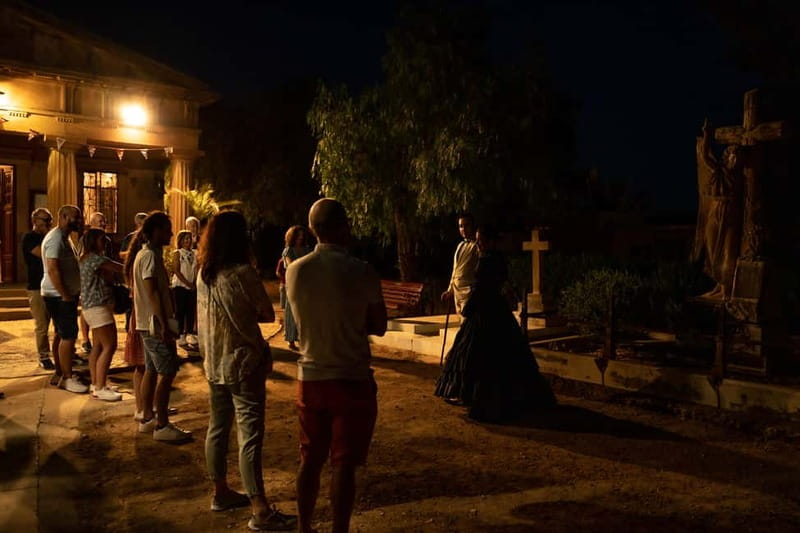
The tour is listed as Spanish, and that’s a make-or-break detail. If you’re comfortable enough to follow conversations and explanations, you’ll likely love the flow because the actors carry a lot of the meaning through voice and timing.
If your Spanish is basic, you can still enjoy it, but you’ll miss some of the texture. In that case, do a little prep before you arrive: know the names you’ll hear—Kritschman, Robert Boyd, Mary Ann—and you’ll connect more dots when the narration speeds up.
One review-driven takeaway I’d treat as advice: reading up beforehand can make a big difference. Even simple familiarity helps you catch the story threads instead of watching the whole thing as if it’s only sound and mood.
Price and value for about 1.5 hours
The price is $23 per person, and for a tour like this, the key question isn’t whether it’s cheap—it’s whether you’re paying for more than access.
Here’s what you’re getting for your money:
- Entrance to the English cemetery
- Access specifically at dusk and closed to the public during the visit
- Skip-the-line entry through a separate entrance
- Live tour guide delivering the dramatized experience
- About 1.5 hours of guided storytelling
So you’re paying for an experience design, not just sightseeing. If you like theatrical history and you enjoy learning in a way that uses atmosphere and storytelling, $23 is reasonable for what you get: time, access, and performance.
If you prefer quiet self-guided visits, you might find the “one hour and a half, and then done” pace too structured. But if you want the cemetery to feel alive—just for a night—this price lines up with that goal.
Who should book this, and who might skip it
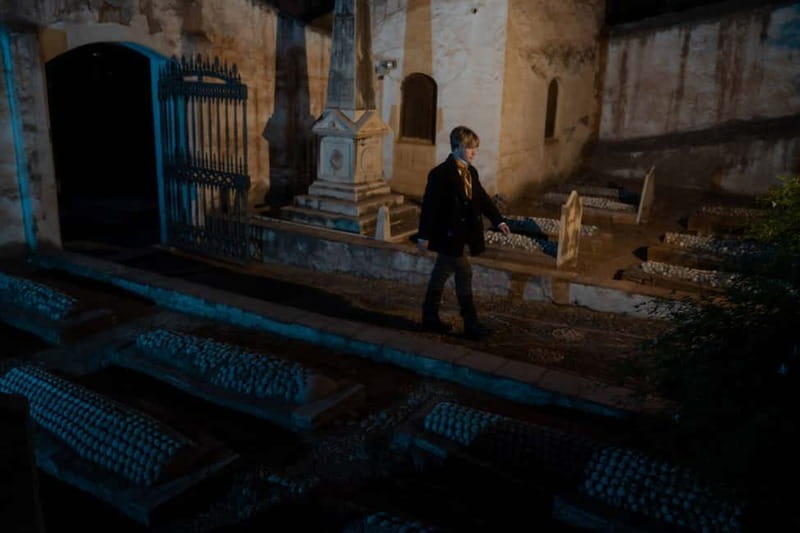
I think this tour is best for you if:
- you like story-driven tours with actors
- you want a night plan that’s clearly different from daytime museum-style walking
- you’re curious about Málaga’s Protestant community and how burial rules changed in the 1800s
- you’re traveling with kids who can handle spooky-but-cultural storytelling (one example: a family with an 11-year-old said the show landed well)
You might want a different option if:
- you strongly dislike stories involving executions or grim death themes
- you need excellent visibility for reading small inscriptions or taking detailed photos
- your Spanish level makes you feel lost in guided conversation
The biggest practical tips before you go
A few things can make or break your night experience:
- Arrive 15 minutes early so you’re not rushing in the dark.
- Use the facilities before the tour. There are no bathrooms until the end.
- Remember the group rule: once it starts, you can’t enter or leave.
- Dress for a night cemetery walk. Even if it’s comfortable weather, you’ll be moving slowly and standing around while stories unfold.
- If you care about photos, plan for lower light. One concern that came up is insufficient lighting, so set your expectations accordingly.
Should you book the Cementerio Inglés nocturna?
If you want something more than plaques and photos, I’d book it. The combination of closed-at-dusk access, live Spanish performance, and story anchors like captain Kritschman, Robert Boyd, and Mary Ann turns the cemetery into a real narrative experience.
But choose wisely if you’re sensitive to the darker parts of the stories, or if you strongly rely on clear lighting and effortless viewing. This tour isn’t trying to be comfortable in a traditional way. It’s trying to feel like history at night—on purpose.
FAQ
How long is the English Cemetery night visit?
It lasts about 1.5 hours.
What language is the tour in?
The live tour guide speaks Spanish.
What does the ticket price include?
You get entrance to the English cemetery, access at dusk (closed to the public), and a live Spanish guide. You also enter via a separate entrance to skip the line.
Where do I meet the group?
You meet at the entrance of the English cemetery.
What time should I arrive before the tour?
It’s important to arrive 15 minutes before the start.
Can I enter or leave after the visit starts?
No. Once the visit has started, it will not be possible to enter or leave the cemetery until it ends.
Are there bathrooms available during the tour?
There are no bathrooms available until the end of the visit.
Is the cemetery visit open to the public at dusk?
No. The tour has access at dusk and the cemetery is closed to the public during the visit.
Is there free cancellation?
Yes. You can cancel up to 24 hours in advance for a full refund.
If you tell me your Spanish level and what you usually prefer—actors vs quiet guided history—I can help you decide if this is the right kind of night plan for you.
More Málaga Trips, Reviewed
- Malaga: Catamaran Sailing Trip with Sunset Option
★ 4.4 · 8,613 reviews - Málaga: Alcazaba and Roman Theatre Guided Tour With Entry
★ 4.8 · 5,792 reviews - Ronda and Setenil Tour with Free Time and Map from Málaga
★ 4.8 · 5,344 reviews - From Málaga: Caminito del Rey Day Trip & Guided Tour
★ 4.8 · 4,683 reviews - From Malaga and Costa del Sol: Gibraltar Tour
★ 4.4 · 4,483 reviews - Malaga: Teatro Flamenco Malaga Live Flamenco Show
★ 4.7 · 4,254 reviews