
Review · MáLAGA COOKING CLASSES
Málaga: Spanish Cooking Workshop with Paella and Sangria
Cooking in Málaga feels like a shortcut to local life.
In 3 lively hours, you’ll tackle paella and sangria in a modern kitchen run by Laura and Diego. It’s a practical class with real technique, not just a demo, and the central location makes it easy to fit into any itinerary.
What I like most is that it’s genuinely hands-on (you prep and cook), and the chef team brings two angles on Andalusian food: Laura’s classical training through Le Cordon Bleu and Diego’s deep Málaga roots. One thing to consider: if you want a quiet, sit-and-watch experience, this isn’t it—the format is interactive, social, and lively.
In This Review
- Key Things That Make This Workshop Worth Your Time
- Málaga Paella and Sangria in a Modern Kitchen: What You’re Actually Getting
- Meet Laura and Diego: The Teaching Styles Behind the Food
- The Dishes You’ll Cook: Ajoblanco, Remojón Malagueño, Paella, and Dessert
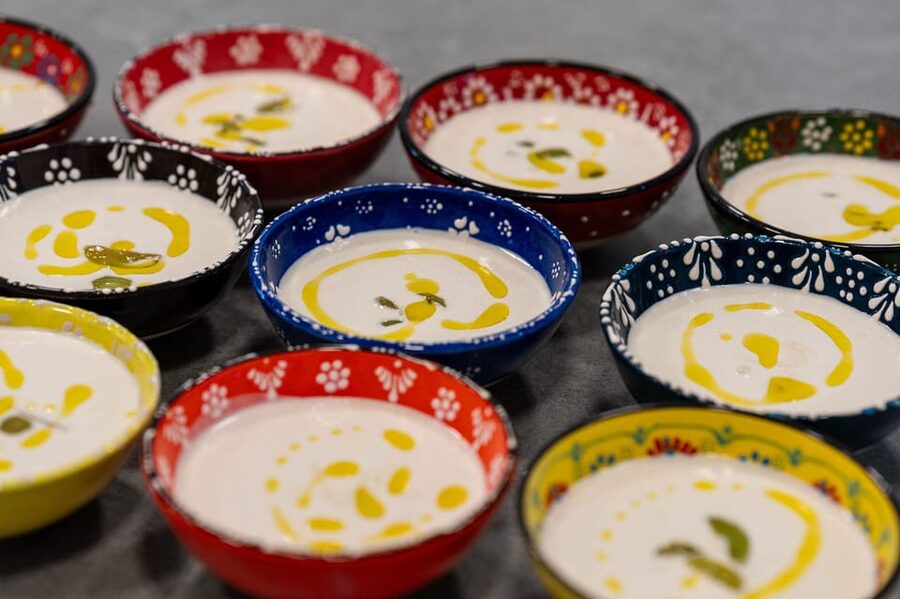
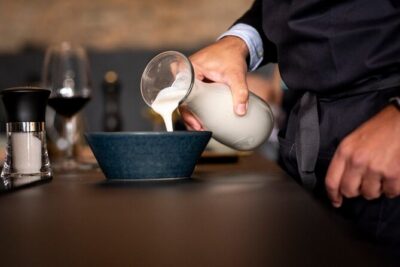
- Ajoblanco (almond soup) and the Andalusian cold-start
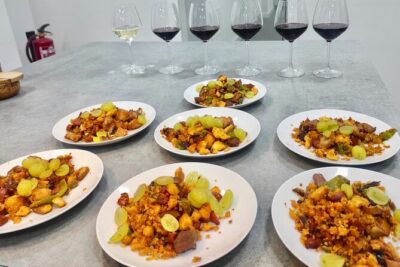
- Remojón Malagueño (Malagueño-style salad)
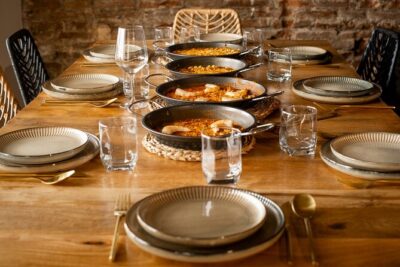
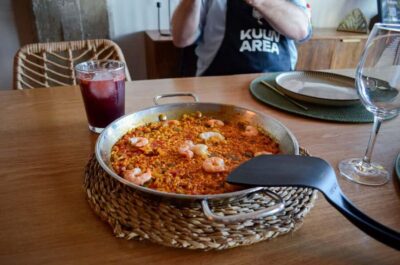
- Paella: the real centerpiece
- Surprise dessert to finish the meal
- Sangria During the Meal: More Than a Drink Add-On
- Why the Location Near Atarazanas Helps Your Whole Day
- Value at $78: What You’re Paying For (and Why It Feels Fair)
- Dietary Needs and Comfort: Practical Details That Matter
- How to Get the Most Out of Your 3-Hour Session
- Who This Workshop Suits Best
- Should You Book This Málaga Cooking Workshop?
- FAQ
- What dishes are included in the workshop?
- How long is the cooking class?
- Where is the workshop located?
- Is the class taught in English?
- Are vegan or vegetarian options available?
- Is alcohol included?
- What is the group size like?
- Can I cancel for a refund?
- Is this activity wheelchair accessible?
Key Things That Make This Workshop Worth Your Time
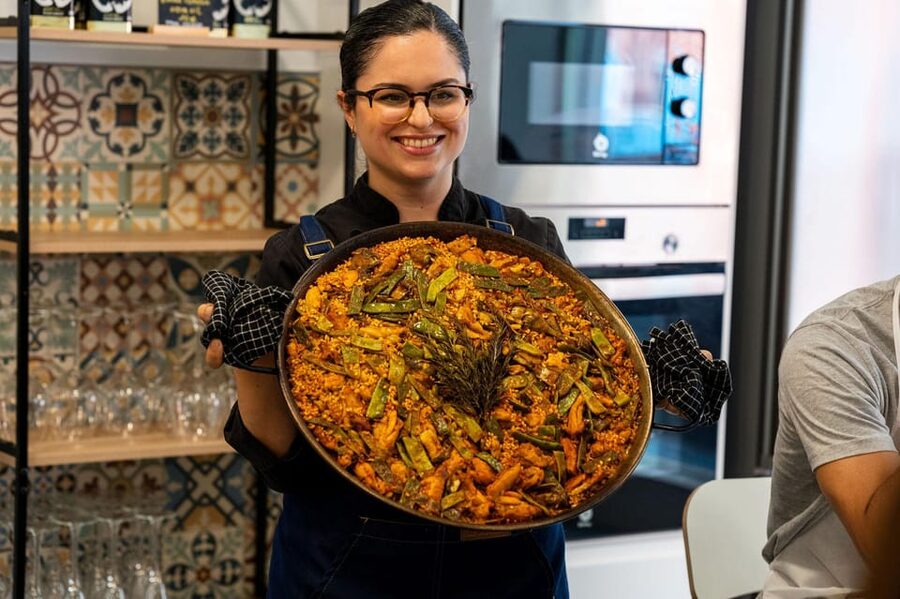
- Laura + Diego as a duo: Le Cordon Bleu background meets Málaga-grown Andalusian know-how
- Central Málaga location: easy walk from the historic center and about 5 minutes from Atarazanas Market
- Multiple dishes in one sitting: ajoblanco, remojón malagueño, paella, plus a surprise dessert
- Sangria included with the meal: you learn how it fits the Spanish table, not just how it tastes
- Small, participatory groups: instructors can spend time helping you get it right
- Comfort-focused kitchen setup: high stools with backs and a modern, easy-to-use workspace
Back to the stove for more paella
- Malaga: Sailing Catamaran with Swimming and Paella Lunch★ 4.1 · 578 reviews
- Paella Cooking Class in Malaga★ 5.0 · 209 reviews
- Paella Cooking Class with English Guide in Malaga★ 5.0 · 149 reviews
- The Ultimate Tapas Workshop in Malaga★ 5.0 · 119 reviews
Málaga Paella and Sangria in a Modern Kitchen: What You’re Actually Getting
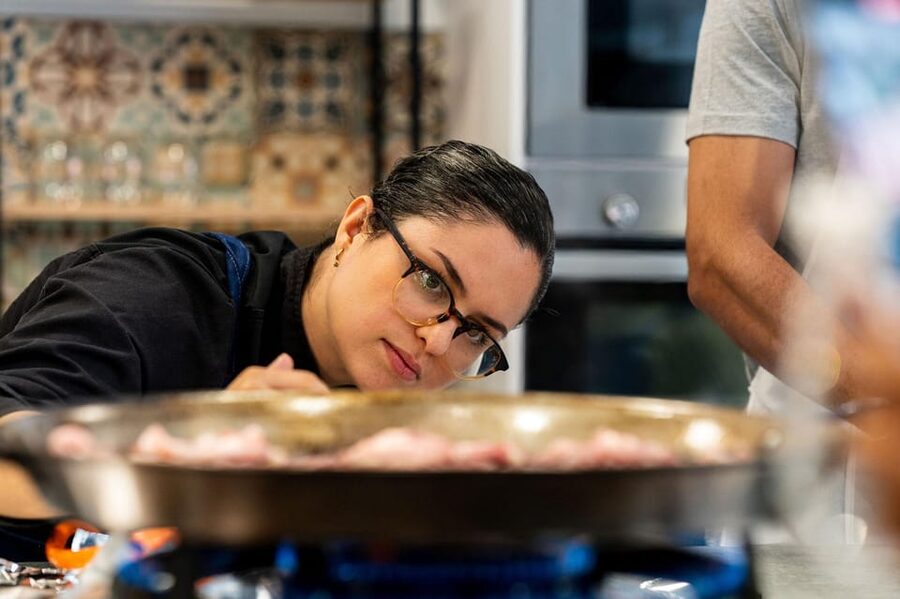
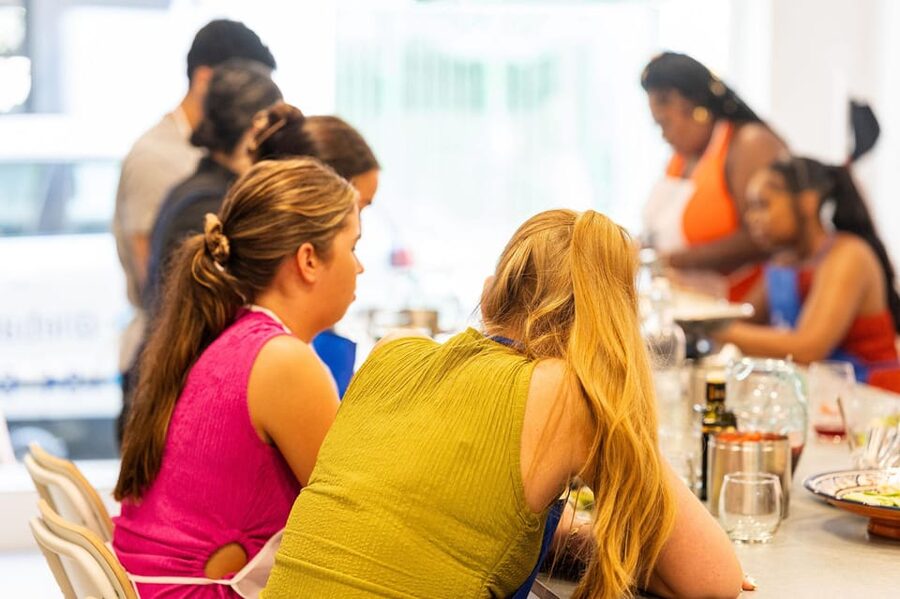
This isn’t a “learn about Spain” speech. It’s cooking time—set up so you can do the work. The class runs 3 hours in a modern, comfortable kitchen, in the historic center of Málaga, so you’re not commuting far or trying to find some hidden basement classroom. You’ll be close enough to other sights that you can stack this with a market visit or an evening stroll afterward.
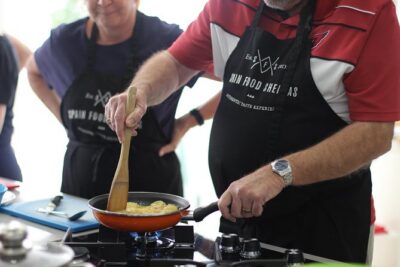
For me, the best part is the learning style. You’re not just watching how paella should look. You’re building the parts of the meal yourself: prepping ingredients, following steps, and getting chef feedback along the way. That matters because paella isn’t only flavor. It’s timing, heat, and texture. When you do the process, you understand what went right (or wrong) in a way that no recipe page ever fully explains.
Another smart feature is the lineup: Laura and Diego cover different culinary identities in Spain. Laura’s background is built on formal culinary training, including studying at Le Cordon Bleu in London and working in Michelin-starred restaurants. Diego is from Uruguay but raised and trained in Málaga, starting cooking at age 9 and growing into Andalusian specialties. Together, you get both structure and local storytelling.
Meet Laura and Diego: The Teaching Styles Behind the Food
You’ll feel the difference in how each chef teaches.
Chef Laura brings a “master the method” approach. She studied at Le Cordon Bleu in London, worked in Michelin-starred restaurants, and trained under a Valencian paella specialist. That’s useful for you because paella technique can get overcomplicated when people only talk about ingredients. Laura focuses on how Spanish home cooking achieves consistency: ingredient roles, when to add what, and how to avoid the common rice mistakes that ruin texture.
She also adds the cultural layer you actually need. Instead of generic history, you get practical guidance—what markets to use, what local shops are good for specific ingredients, and what to try across Málaga for a full food day.
Chef Diego adds the warmth and the Málaga-specific details. His path started early, and his specialties lean toward Andalusian cuisine with a strong dessert side. In class, you’ll likely notice he teaches through story and rhythm, the way food belongs to a place—less stiff, more human. That’s a plus if you’re traveling solo, because a fun, confident host makes it easier to jump in and ask questions.
The Dishes You’ll Cook: Ajoblanco, Remojón Malagueño, Paella, and Dessert
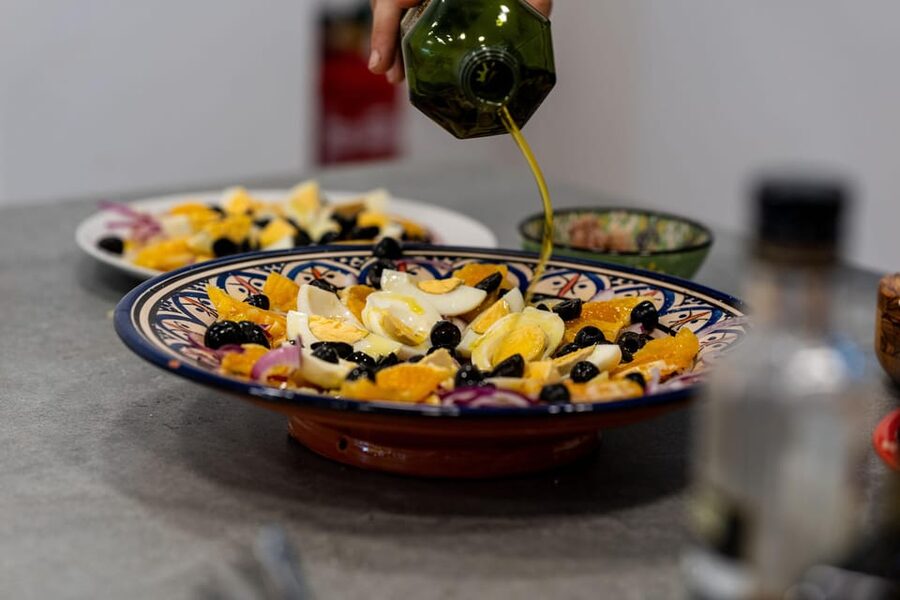
The menu hits the important bases of Spanish flavor: chilled creamy, fresh salad, a hot rice centerpiece, and a sweet finish. The exact process can vary a bit session to session, but the dishes are consistent.
Worth a look before you lock in this Málaga day out:
- Paella and Sangria Workshop in Malaga
★ 5.0 · 108 reviews - Malaga: The Ultimate Tapas Workshop with Market Visit
★ 4.9 · 108 reviews - Malaga: Authentic Paella Cooking Class with Sangría
★ 5.0 · 103 reviews
Ajoblanco (almond soup) and the Andalusian cold-start
Ajoblanco is one of those foods that feels simple until you pay attention. It’s creamy, often made with almonds, and it sets a tone for how Spanish meals balance richness with freshness. In a paella class, adding ajoblanco is a smart move for your learning. It trains your palate to shift gears: cool and silky first, then bright and acidic, then warm and savory.
Remojón Malagueño (Malagueño-style salad)
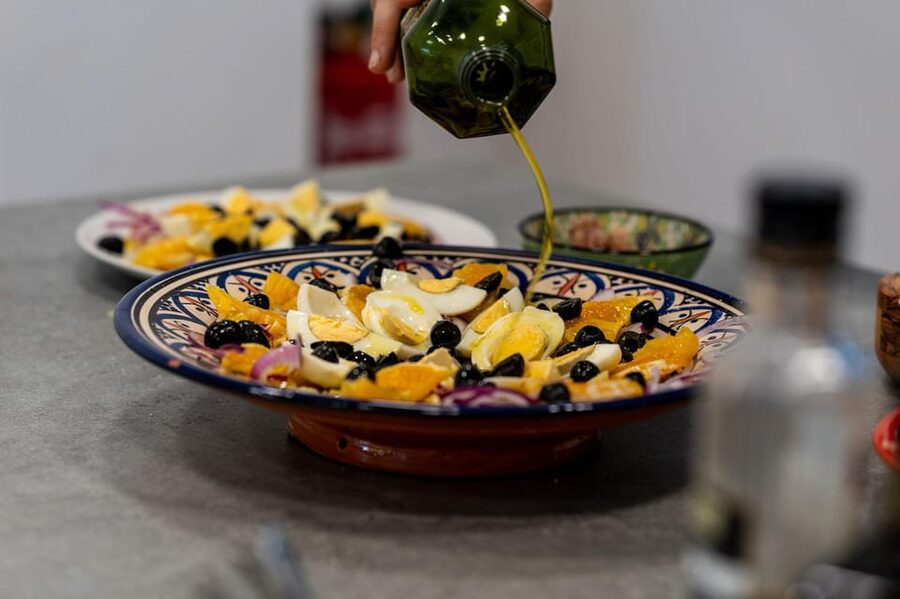
Remojón malagueño is a Málaga signature, and it’s not a generic salad. It brings local character through ingredients and dressing style, and it’s a great palate reset before paella. I like that this dish is part of the class because it prevents the event from becoming a one-note “just make rice.” You’ll leave knowing how to build a Spanish table—starter, fresh element, then the main.
Paella: the real centerpiece
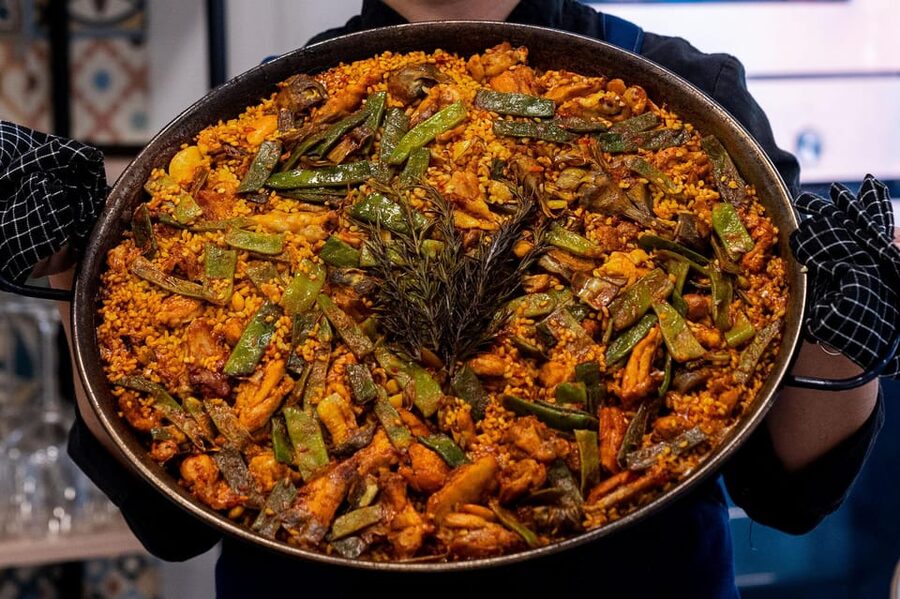
Paella is the headline for a reason, and this workshop treats it like a skill. You’ll learn traditional technique for getting rice right and handling the flow of cooking. Based on how the class is described, you should expect step-by-step guidance that covers not only what to cook but how to execute it without panic.
If you’ve ever tried to make paella at home, you already know the hard part: rice timing. This is where a structured class pays off. You’ll get the kind of tips that help you troubleshoot when things don’t look right mid-cook.
Surprise dessert to finish the meal
You’ll also have a surprise dessert. That keeps the experience feeling like more than a single-dish workshop, and it rounds out the Spanish meal shape. If you like ending a cooking session with something sweet and memorable, this helps.
Sangria During the Meal: More Than a Drink Add-On
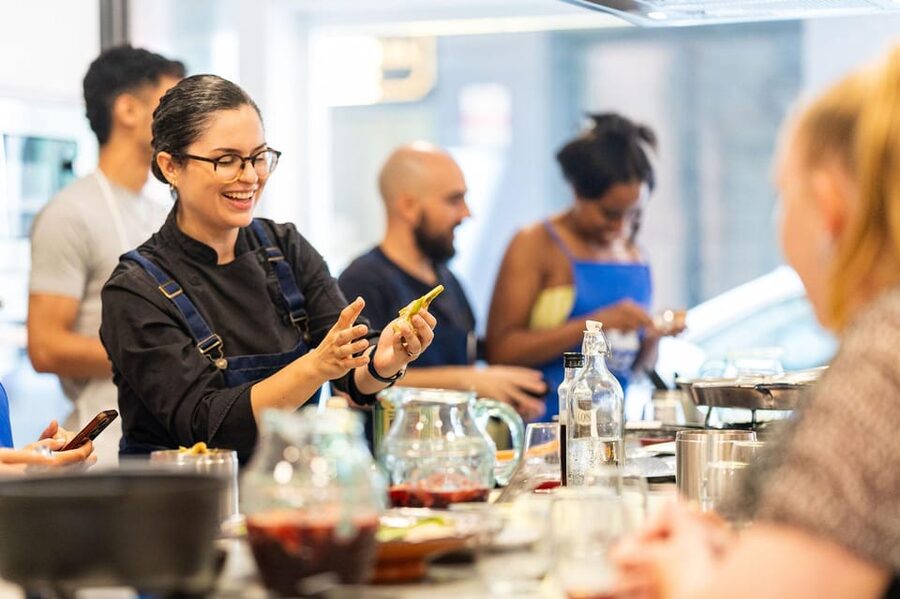
The workshop includes sangria during the meal—participants have more sangrio or two included depending on what’s chosen. Either way, the drink is integrated into the experience rather than treated as a side perk.
That integration is useful for you. Sangria in Spain isn’t just about sweetness. It’s part of the social pace of eating, the same way appetizers and long conversations shape the meal. In class, you’ll get a clearer sense of how Spaniards think about balancing fruit, wine character, and serving style.
Also, the rules note that outside alcohol isn’t allowed. Practically, that means you should expect the sangria to be the class-provided beverage, not something you bring in yourself.
Why the Location Near Atarazanas Helps Your Whole Day
The workshop is in central Málaga and is about 5 minutes from the Atarazanas market. That’s not a minor detail. It changes how easy the whole day feels.
You can arrive early, take care of any last-minute ingredient browsing, and still have time for a relaxed start. You can also use your kitchen lesson as a reason to walk the neighborhood with purpose afterward—markets and food streets look different when you’ve just learned what certain ingredients do in real dishes.
If you’re hopping between sights, this class is well placed. You don’t need a long taxi ride before dinner, and you’re not stuck planning transportation around a remote venue.
Value at $78: What You’re Paying For (and Why It Feels Fair)
At $78 per person, you’re paying for more than a meal. You’re paying for:
- A guided, instructor-led cooking session in a modern kitchen
- Two chefs with distinct culinary backgrounds
- Multiple full dishes made from scratch, including paella
- Sangria served with your meal
- Adaptations for different dietary needs (with advance notice)
Cooking workshops often feel pricey when they’re really just tasting events. Here, the structure points the other way: it’s described as 100% participatory, and the class is set up for you to cook, not just watch. For $78, that participation is what makes it feel like value. You leave with skills you can try again rather than only memories.
Group size also affects value. The class is often described as personal and interactive, and there’s enough attention from the chefs that you can ask questions instead of waiting in line for help. That’s the difference between “great dinner” and “worth your time and money.”
Dietary Needs and Comfort: Practical Details That Matter
If you have dietary concerns, this matters more than most people think. The workshop says it can adapt the menu for allergies or intolerances and that vegan and vegetarian options are available with advance notice. If you’re planning ahead, you’ll want to message those needs early so the kitchen can prepare correctly.
Comfort is another unglamorous factor that can make or break a cooking class. Several people highlighted that the setup includes high stools with backs, which is a big deal if you don’t want to stand for long stretches. The kitchen is also described as modern and comfortable, which helps when you’re learning a new process.
Finally, the class is offered in English with a live tour guide, so you don’t need to translate your questions in your head while you’re mid-recipe.
How to Get the Most Out of Your 3-Hour Session
You’ll have the best time if you treat this like a skill workshop, not a casual snack stop.
A few practical moves:
- Come hungry, but don’t arrive starving. You’ll be cooking several dishes and you’ll want your energy for the full flow.
- Ask questions early. Paella technique gets easier when you understand the logic behind it, not just the steps.
- Pay attention to ingredients and substitutions. Even if you don’t cook often, being able to source the right items in Spain is half the battle.
- Think about what you’ll do next in Málaga. Your chefs are expected to share local market and eating recommendations, which can help you build the rest of your food day.
If you like learning through doing, this is the kind of activity that gives you that real satisfaction: you cook, you eat what you made, and you walk away with a mental checklist you can recreate later.
Who This Workshop Suits Best
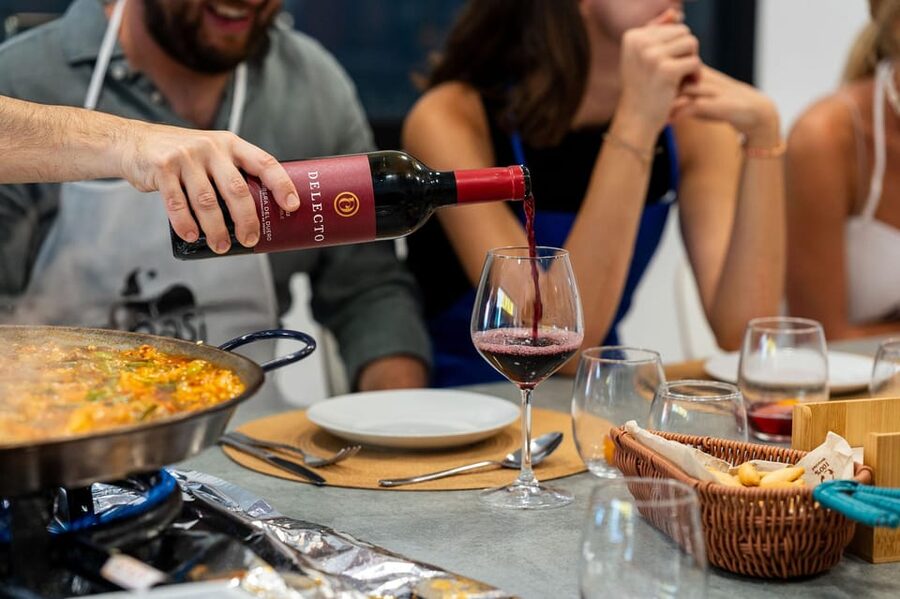
This class is a great fit if you:
- Want a hands-on experience in Málaga instead of another walking tour
- Love paella and want technique you can carry home
- Prefer small, interactive group dynamics
- Want cultural context tied directly to food and ingredients
- Travel as a couple, a small group, or even solo and still want conversation at the table
It’s also a nice rainy-day option since you’re tucked indoors in a kitchen setting—no scrambling to find something that works once weather changes.
Should You Book This Málaga Cooking Workshop?
If you’re choosing between “good food dinner” and “skill-building cooking experience,” I’d lean toward booking this. The strongest reasons are straightforward: you cook, you cover a full Spanish table (ajoblanco, Malagueño salad, paella, dessert), and you get sangria as part of the meal.
Book it now if:
- Paella is on your must-do list
- You want local, practical tips from both Laura and Diego
- You’d rather spend 3 hours cooking than shopping for souvenirs
Skip it (or consider something else) if:
- You want a quiet, low-participation activity
- You’re strict about schedule timing and don’t want to commit to a centered, set start time
If you’re in Málaga and you want a memorable evening that actually teaches you something you can use back home, this is one of the clearer bets on value and authenticity.
FAQ
What dishes are included in the workshop?
You’ll cook ajoblanco, paella, and remojón malagueño (a typical salad from Málaga). The class also includes a surprise dessert.
How long is the cooking class?
The class lasts 3 hours.
Where is the workshop located?
It’s in central Málaga, about 5 minutes from the Atarazanas market, in an easy-to-reach area of the historic center.
Is the class taught in English?
Yes. The live guide and instruction are in English.
Are vegan or vegetarian options available?
Yes, vegan and vegetarian options are available with advance notice. The menu can also be adapted for allergies or intolerances.
Is alcohol included?
Sangria is included during the meal (more sangria or two included depending on your choice). The activity rules also say alcohol is not allowed, so you should follow whatever policy they state for the class.
What is the group size like?
The activity requires a minimum of 4 participants, and the experience is described as very fun and 100% participatory with a personal feel.
Can I cancel for a refund?
Yes. Free cancellation is available up to 24 hours in advance for a full refund.
Is this activity wheelchair accessible?
Yes, the workshop is wheelchair accessible.
More Workshops Around Málaga
- Paella Cooking Class in Malaga
★ 5.0 · 209 reviews - Paella Cooking Class with English Guide in Malaga
★ 5.0 · 149 reviews - The Ultimate Tapas Workshop in Malaga
★ 5.0 · 119 reviews - Paella and Sangria Workshop in Malaga
★ 5.0 · 108 reviews - Malaga: The Ultimate Tapas Workshop with Market Visit
★ 4.9 · 108 reviews - Malaga: Authentic Paella Cooking Class with Sangría
★ 5.0 · 103 reviews
More Málaga Trips, Reviewed
- Malaga: Catamaran Sailing Trip with Sunset Option
★ 4.4 · 8,613 reviews - Málaga: Alcazaba and Roman Theatre Guided Tour With Entry
★ 4.8 · 5,792 reviews - Ronda and Setenil Tour with Free Time and Map from Málaga
★ 4.8 · 5,344 reviews - From Málaga: Caminito del Rey Day Trip & Guided Tour
★ 4.8 · 4,683 reviews - From Malaga and Costa del Sol: Gibraltar Tour
★ 4.4 · 4,483 reviews - Malaga: Teatro Flamenco Malaga Live Flamenco Show
★ 4.7 · 4,254 reviews
At the Málaga Stove
- Malaga: Sailing Catamaran with Swimming and Paella Lunch
★ 4.1 · 578 reviews - Paella Cooking Class in Malaga
★ 5.0 · 209 reviews - Paella Cooking Class with English Guide in Malaga
★ 5.0 · 149 reviews - The Ultimate Tapas Workshop in Malaga
★ 5.0 · 119 reviews - Malaga: The Ultimate Tapas Workshop with Market Visit
★ 4.9 · 108 reviews - Paella and Sangria Workshop in Malaga
★ 5.0 · 108 reviews
Fresh Off the Boat: Newly Reviewed Málaga Trips

Málaga Cooking Classes, side by side.
 ★ 4.1Sailing Catamaran with Swimming and Paella LunchFrom $53578 reviews
 ★ 5.0Paella Cooking Class in MalagaFrom $84209 reviews
 ★ 5.0Paella Cooking Class with English Guide in MalagaFrom $84149 reviews
 ★ 5.0The Ultimate Tapas Workshop in MalagaFrom $84119 reviews
 ★ 5.0Paella and Sangria Workshop in MalagaFrom $84108 reviews
 ★ 4.9The Ultimate Tapas Workshop with Market VisitFrom $78108 reviews
 ★ 5.0Authentic Paella Cooking Class with SangríaFrom $77103 reviews
 ★ 5.0Malaga Tapas Cooking ClassFrom $8499 reviews
Other lists this tour appears in