
Review · MáLAGA COOKING CLASSES
Paella and Sangria Workshop in Malaga
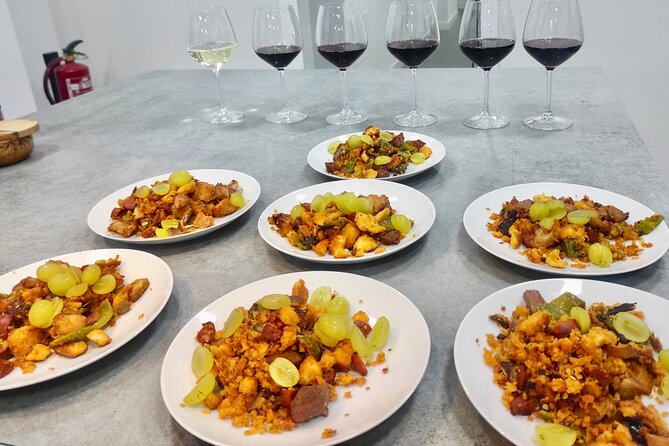
Three dishes, one apron, instant Malaga. In this 3-hour Paella and Sangria workshop, you cook classic local bites (including cold ajoblanco) and learn how to finish with a proper Valencian paella, then you make sangria and eat everything together.
I love the hands-on cooking flow and the way instructors keep it practical, step-by-step, with lots of tips on technique. I also like that the fresh sangria is part of the session, not a bottle plunked on the table.
One thing to consider: the paella you make may be chicken-based rather than seafood, and sangria is not always to everyone’s taste if you prefer less paprika or less sweet flavors.
In This Review
- Key Highlights to Know Before You Go
- Paella and sangria in Malaga’s Centro: what you’re really signing up for
- Your menu at a glance: ajoblanco, Malaga soak, paella, sangria, dessert
- Inside the cooking flow: how the class runs for hands-on learning
- Valencian paella technique: rice, liquid, and your secret move
- Sangria workshop: making it fresh and tasting it right
- Group size, meeting point, and timing that work for real schedules
- Price and value for $84.66: what you get besides food
- Should you book the paella and sangria workshop?
- FAQ
- How long is the Paella and Sangria workshop in Malaga?
- Where does the workshop start?
- Is the class offered in English?
- What dishes will I cook and eat?
- Does the workshop accommodate dietary needs?
- What is the group size?
- What ticket format do I get?
- When will I get confirmation after booking?
- Can I cancel for a full refund?
- How much does it cost?
Key Highlights to Know Before You Go
- Ajoblanco first: a cold almond-and-garlic soup that sets the tone for what you’ll taste later
- Malaga soak: a Costa del Sol favorite you’ll learn to prep alongside paella
- Valencian paella technique: the class focuses on the rice and liquid balance that usually trips people up
- Sangria while you cook: it’s made fresh during the workshop, then enjoyed with your meal
- Small group size: up to 14 people, so questions don’t get lost
- Local dessert at the end: an Andalusian sorbet is part of the finished meal
Back to the stove for more paella
- Malaga: Sailing Catamaran with Swimming and Paella Lunch★ 4.1 · 578 reviews
- Paella Cooking Class in Malaga★ 5.0 · 209 reviews
- Paella Cooking Class with English Guide in Malaga★ 5.0 · 149 reviews
- The Ultimate Tapas Workshop in Malaga★ 5.0 · 119 reviews
Paella and sangria in Malaga’s Centro: what you’re really signing up for
This is a cooking class that feels like an evening at a local kitchen, not a staged performance. You’ll spend about three hours working in the kitchen, making three dishes, then sitting down to taste it all. It’s a great way to understand Malaga food without needing a food degree or a search history full of cooking videos.
I like that the menu covers a range: cold starter, typical Costa del Sol dish, and the main event paella. That variety matters because it teaches you how Spanish flavors shift by temperature and ingredients. And because you’re cooking, you’re not just observing. You learn what to look for and why.
The format also makes it easy to jump in, even if you’re not a confident cook. Multiple instructors (like Diego and Laura, based on past classes) are described as friendly and clear, and the teaching is interactive. You’re not stuck passively watching someone else work.
Your menu at a glance: ajoblanco, Malaga soak, paella, sangria, dessert
Here’s what you’ll be making and eating as part of the experience.
- Starter 1: ajoblanco (white garlic)
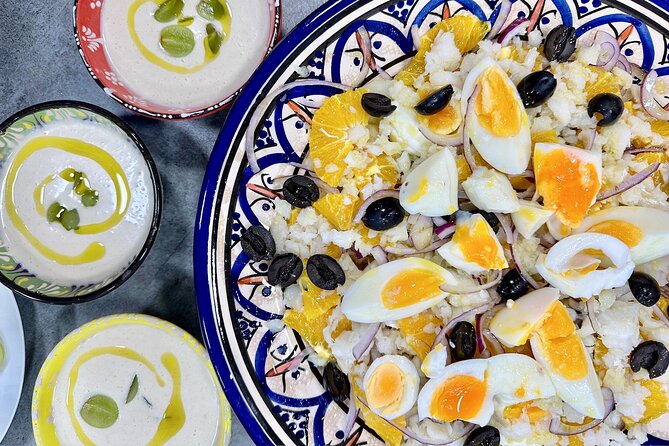
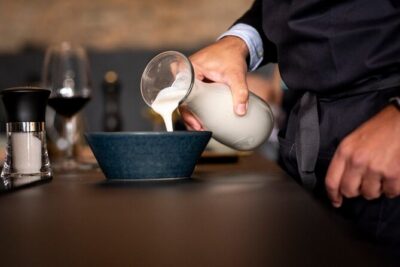
This is a cold soup made with almonds, garlic, and bread (the idea is smooth, pale, and refreshing). It’s also a smart first choice for a class because you can taste the outcome quickly and adjust flavors as you go.
- Starter 2/side: Malaga soak (Costa del Sol style)
This is a typical dish from the area. In practice, people describe the set-up as a soup plus a salad or side alongside paella, so you’ll likely work on something fresh and bowl-friendly that balances the heavier main.
- Main: Valencian paella (the original style)
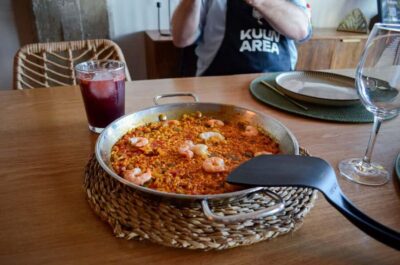
This is where you get the biggest payoff. Several participants talk about finally understanding the rice-to-liquid ratio and how to get the texture right. You’ll learn technique, not just steps.
- While cooking: sangria
Sangria is prepared during the class, so it doesn’t feel like an afterthought. You’ll get to taste what you made and compare your instincts to what the instructor guides you toward.
- Dessert: Andalusian sorbet
The finished meal ends with a typical Andalusian dessert. It’s a tidy close after paella, especially if you like something lighter than a heavy cake.
One small “heads up” from past sessions: some people found the paella they made used chicken rather than seafood. If you have a strong preference, keep that in mind. The good news is you’ll still learn the core paella technique.
Inside the cooking flow: how the class runs for hands-on learning
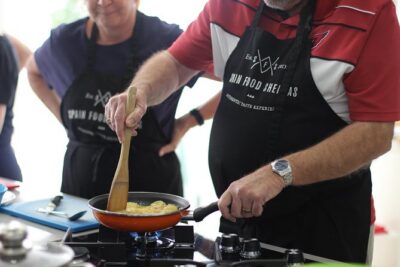
The workshop is built around real kitchen pacing. You’ll be working for the full session and you’ll likely rotate tasks, which keeps things moving without feeling rushed. With a maximum of 14 people, it’s small enough that instructors can correct what you’re doing, not just check in from across the room.
Expect a structure that goes like this: you’ll start with one dish, then move to the next while ingredients and flavors develop. Along the way, you’ll get cultural context tied to the food. Past participants mention that instructors share history and regional notes, which helps you understand why a dish tastes the way it does, instead of treating it like a recipe worksheet.
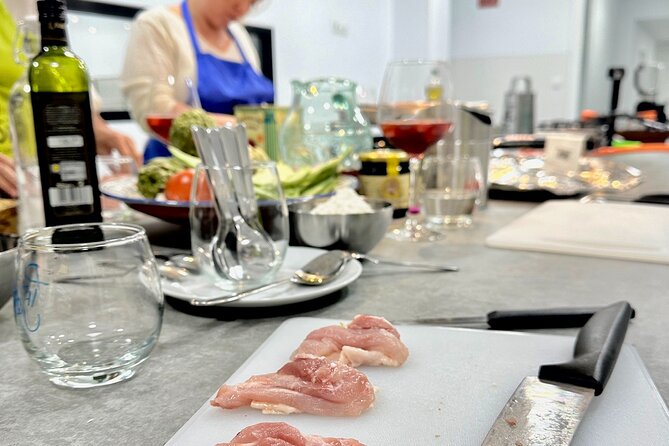
A very practical teaching theme shows up in the feedback: instructors emphasize technique. People specifically call out step-by-step guidance and lots of tips for making the food taste better, not just “cook it until it looks done.” That’s exactly what you want from a paella class, because paella is forgiving only in theory.
If you’re traveling with family, this format also tends to work well. One parent noted their child had a blast doing hands-on work. If you’re coming with kids or a mixed group of cooking skill levels, this class is the kind where everyone can contribute without feeling out of place.
Worth a look before you lock in this Málaga day out:
- Paella and Sangria Workshop in Malaga
★ 5.0 · 108 reviews - Malaga: The Ultimate Tapas Workshop with Market Visit
★ 4.9 · 108 reviews - Malaga: Authentic Paella Cooking Class with Sangría
★ 5.0 · 103 reviews
Valencian paella technique: rice, liquid, and your secret move
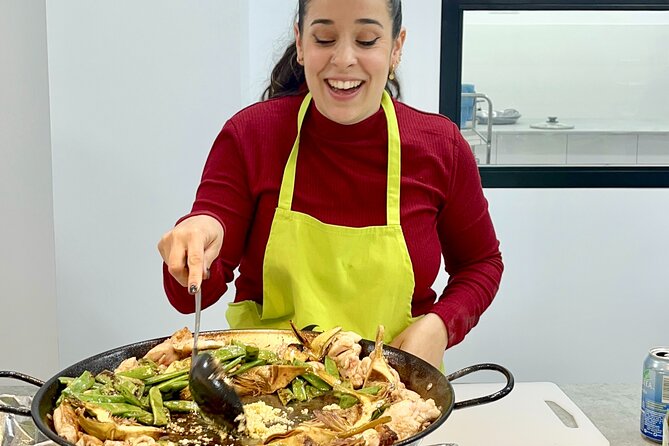
Paella has a reputation for being hard. The good part of this workshop is that it breaks the mystery into manageable points.
The biggest lesson you’ll want to leave with is the rice-liquid balance. Multiple people mention a struggle at home with getting the right amount of rice and liquid, and they say this class finally clarified the process. That’s huge value, because once you understand the ratio and the pacing, the rest becomes easier.
You’ll also learn methods tied to tradition and technique. One participant was surprised because the paella they made used chicken rather than seafood, and they even mentioned learning a practical prep step like deboning chicken legs and thighs. Whether or not you do that exact prep, you can expect real cooking work, not just stirring a pot.
What to pay attention to during your session:
- Watch how the instructor describes timing. Paella isn’t just about ingredients; it’s about when heat meets the mix.
- Ask for tips on how to judge texture while cooking. If you’re given a quick way to check progress, write it down.
- Don’t be shy about questions. The class is described as interactive, and the group size makes it easier to get an answer.
If you go in hoping for a simple “one trick” recipe, you’ll be okay. But the real win is learning how to think like the person cooking—how to adjust and stay on track.
Sangria workshop: making it fresh and tasting it right
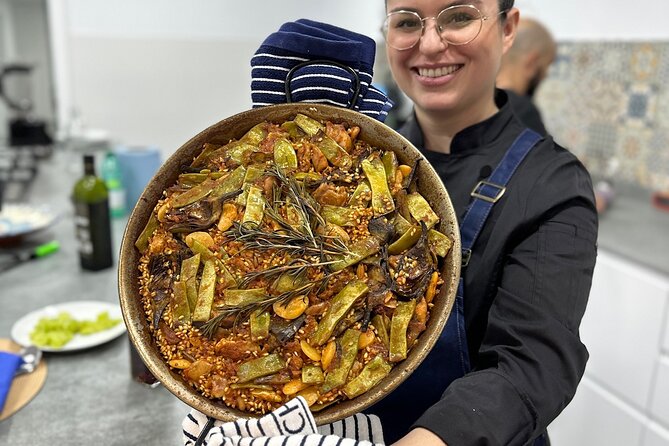
Sangria is often treated like a shortcut drink. In this class, it’s part of the real workflow, so it tastes fresher and feels more intentional.
You’ll make sangria during the cooking session and then enjoy it with your meal. Past participants mention that sangria is made fresh and provided, and they like having many beverage options available when it’s time to eat. Even better, people call out that the sangria component is explained, not just handed over.
One consideration: sangria flavor depends on recipe style and personal preference. A review noted paella and sangria weren’t to their taste, and they linked it to flavor profile choices like paprika heaviness and sweetness level. Translation: if you’re very sensitive to paprika-forward flavors or prefer drinks with less sugar, you might want to tell the instructor what you usually avoid. This class includes dietary options with prior notice, so a quick flavor note could help you enjoy it more.
Bottom line: you’re not only learning paella here. You’re learning how Spanish-style drinking fits into a meal, right when the food is ready.
Group size, meeting point, and timing that work for real schedules
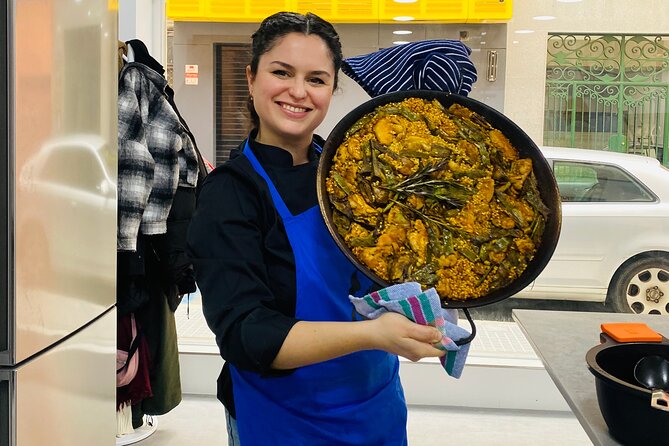
This is a 3-hour class in Distrito Centro with a clear start point: C. Martínez Campos, 15, 29001 Málaga, Spain. It’s described as near public transportation, which matters in Malaga, where walking plus a good transit option can save you time.
The class runs about three hours, so you’ll still have room in your day for a stroll afterward. And because it ends back at the meeting point, you don’t have to plan a complicated return.
Logistics are also simple in the modern way: you get a mobile ticket, and confirmation is typically sent within 48 hours of booking, subject to availability. The group size is capped at 14, which keeps the experience personal and makes it easier to interact with the instructor and assistant(s).
Also useful: the workshop offers vegan, vegetarian, and gluten-free options if you give prior notice. That means you can plan around your diet without feeling like you’ll be stuck with bread and water.
In short, this is the kind of activity that slots into a trip without hijacking your whole itinerary.
Price and value for $84.66: what you get besides food
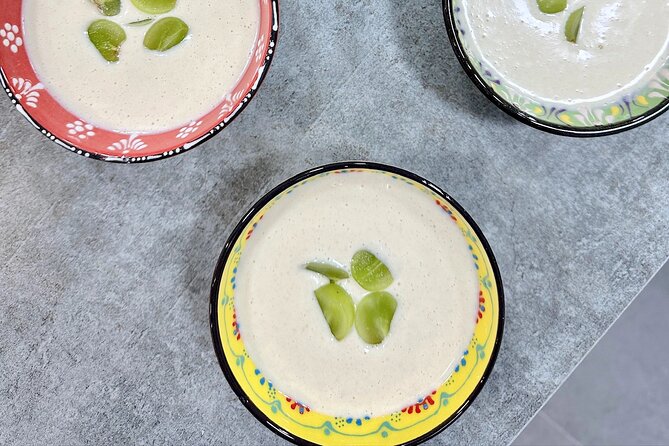
At $84.66 per person for about three hours, you’re paying for more than ingredients. You’re paying for guided technique, a small group setting, and a full meal with drink and dessert included.
Here’s how the value breaks down:
- Three cooked dishes (ajoblanco, Malaga soak, and Valencian paella)
- Freshly made sangria as part of the workshop
- Andalusian dessert to finish
- In-person instruction with step-by-step help and practical tips
- Limited group size (max 14) which increases the chance you’ll get your questions answered
If you’ve ever tried to “learn paella” by watching videos, you know the missing piece is feedback. This class builds the feedback into the price. And people explicitly mention getting recipes or instructions to recreate the dishes later, which is part of why the experience holds up after your trip.
It’s also a smart value when you compare it to the cost of eating well in Malaga plus booking separate food experiences. Here, you get a full food arc in one place: cold starter, main, and sweet ending.
Should you book the paella and sangria workshop?
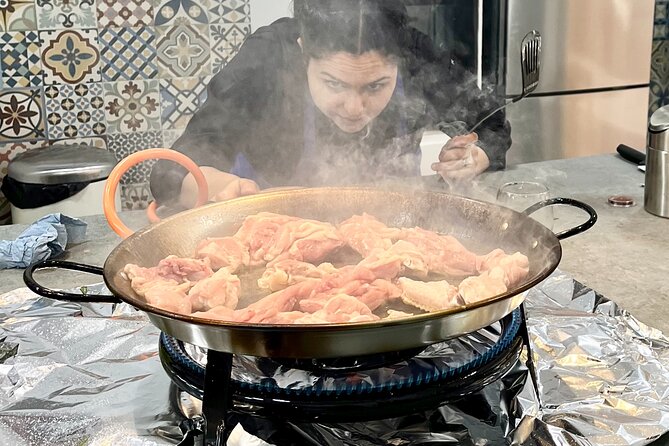
Book it if you want a practical, hands-on way to learn Malaga and Spanish flavors in a short time. It’s especially worth it if paella at home has been frustrating and you want the rice-liquid logic explained clearly. It’s also a good pick for mixed skill levels and families, since people describe the class as fun, relaxed, and interactive.
Skip it or go in with your expectations if you strongly prefer seafood paella every time, because some sessions appear to use chicken. Also, if you dislike paprika-forward flavors or prefer very dry sangria, you might want to mention your preferences early.
My final advice: arrive ready to cook and taste. Ask at least one question about the rice. Then enjoy the meal you helped make. This is one of those activities where the best souvenir is food memory you can actually recreate.
FAQ
How long is the Paella and Sangria workshop in Malaga?
It lasts about 3 hours.
Where does the workshop start?
The meeting point is C. Martínez Campos, 15, Distrito Centro, 29001 Málaga, Spain.
Is the class offered in English?
Yes, the workshop is offered in English.
What dishes will I cook and eat?
You’ll cook ajoblanco, Malaga soak, and Valencian paella, and you’ll make sangria during the class. You’ll also finish with an Andalusian dessert (Andalusian sorbet).
Does the workshop accommodate dietary needs?
Yes. Vegan, vegetarian, and gluten-free options are available if you notify the customer in advance.
What is the group size?
The maximum group size is 14 travelers.
What ticket format do I get?
You receive a mobile ticket.
When will I get confirmation after booking?
Confirmation is received within 48 hours of booking, subject to availability.
Can I cancel for a full refund?
Yes, you can cancel for a full refund if you cancel at least 24 hours before the experience’s start time.
How much does it cost?
The price is $84.66 per person.
More Workshops Around Málaga
- Málaga: Spanish Cooking Workshop with Paella and Sangria
★ 4.9 · 613 reviews - Paella Cooking Class in Malaga
★ 5.0 · 209 reviews - Paella Cooking Class with English Guide in Malaga
★ 5.0 · 149 reviews - The Ultimate Tapas Workshop in Malaga
★ 5.0 · 119 reviews - Malaga: The Ultimate Tapas Workshop with Market Visit
★ 4.9 · 108 reviews - Malaga: Authentic Paella Cooking Class with Sangría
★ 5.0 · 103 reviews
More Málaga Trips, Reviewed
- Malaga: Catamaran Sailing Trip with Sunset Option
★ 4.4 · 8,613 reviews - Málaga: Alcazaba and Roman Theatre Guided Tour With Entry
★ 4.8 · 5,792 reviews - Ronda and Setenil Tour with Free Time and Map from Málaga
★ 4.8 · 5,344 reviews - From Málaga: Caminito del Rey Day Trip & Guided Tour
★ 4.8 · 4,683 reviews - From Malaga and Costa del Sol: Gibraltar Tour
★ 4.4 · 4,483 reviews - Malaga: Teatro Flamenco Malaga Live Flamenco Show
★ 4.7 · 4,254 reviews
At the Málaga Stove
- Málaga: Spanish Cooking Workshop with Paella and Sangria
★ 4.9 · 613 reviews - Malaga: Sailing Catamaran with Swimming and Paella Lunch
★ 4.1 · 578 reviews - Paella Cooking Class in Malaga
★ 5.0 · 209 reviews - Paella Cooking Class with English Guide in Malaga
★ 5.0 · 149 reviews - The Ultimate Tapas Workshop in Malaga
★ 5.0 · 119 reviews - Malaga: The Ultimate Tapas Workshop with Market Visit
★ 4.9 · 108 reviews
Fresh Off the Boat: Newly Reviewed Málaga Trips

Málaga Cooking Classes, side by side.
 ★ 4.9Spanish Cooking Workshop with Paella and SangriaFrom $78613 reviews
 ★ 4.1Sailing Catamaran with Swimming and Paella LunchFrom $53578 reviews
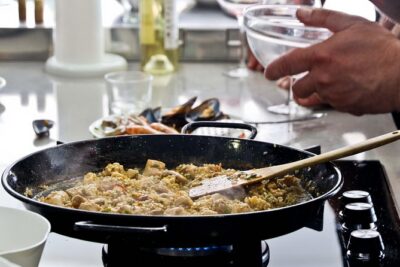 ★ 5.0Paella Cooking Class in MalagaFrom $84209 reviews
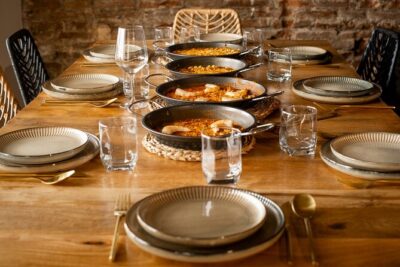 ★ 5.0Paella Cooking Class with English Guide in MalagaFrom $84149 reviews
 ★ 5.0The Ultimate Tapas Workshop in MalagaFrom $84119 reviews
 ★ 4.9The Ultimate Tapas Workshop with Market VisitFrom $78108 reviews
 ★ 5.0Authentic Paella Cooking Class with SangríaFrom $77103 reviews
 ★ 5.0Malaga Tapas Cooking ClassFrom $8499 reviews
Other lists this tour appears in