
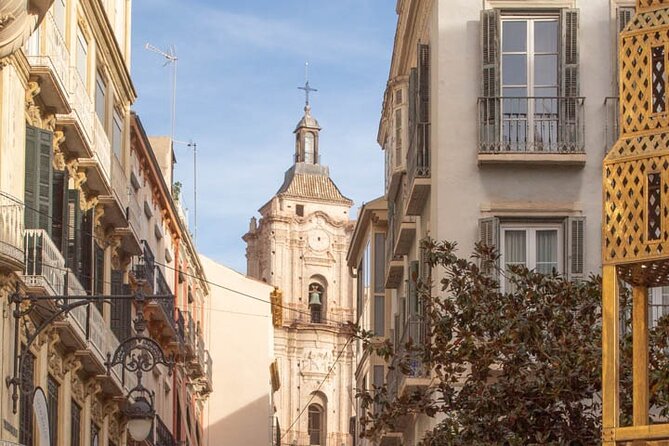
Review · MARKETS
Tour around the Central Market of Malaga
Malaga shows its heart in two hours. This small-group walk through Malaga’s center and the Atarazanas Central Market feels easy and comfortable, linking places like Pasaje de Chinitas and Calle Larios to the daily rituals—faith, food, and neighborhood life—that make the city tick. I especially like the way the route mixes big-name sights (views around the cathedral area and Holy Week churches) with everyday shops and crafts, and I love that you get a professional local guide without paying extra for site entry stops. One thing to keep in mind: it is still mostly walking, so bring comfy shoes if you tend to get sore in the afternoon.
You might meet guides such as Lourdes, who’s described as very knowledgeable and genuinely kind. With a max group size of 20, you get time to ask questions instead of feeling herded along.
For $17.80 per person and about 2 hours, this is a strong value if you want orientation fast and a route that stays more local than checklist-touristy. You’ll end at the main entrance of the market, so you can keep exploring right after the tour with no awkward transfer plan.
In This Review
- Key highlights (the stuff you’ll actually remember)
- Getting your bearings at Plaza Enrique García Herrera (and the Holy Week thread)
- Mapas y Compañía and the street mix: old Muslim-patterned lanes + modern faces
- A 1920 neo-Gothic church: plan, pace, and why design tells stories
- Plaza de la Constitución: coffee lore, a fountain, and cathedral views you can actually feel
- Pasaje de Chinitas: flamenco’s alleyway history in a 5-minute stop
- Calle Larios and its 1887–1891 swagger: classic shopping with small surprises
- Plaza de Félix Sáenz and Sagasta Street corners: architecture you can spot fast
- Ending at Mercado Central de Atarazanas: Muslim walls, shipyards, and what to look for
- Price and logistics: why this $17.80 walk is a smart way to spend 2 hours
- Comfort, pace, and who this tour fits best
- Should you book this Malaga Central Market walking tour?
- FAQ
- How long is the Central Market of Malaga walking tour?
- What’s included in the tour price?
- Where does the tour start and end?
- Is admission included for the stops?
- Is it suitable for people with limited mobility?
- Is a mobile ticket provided?
- Is there a cancellation option if plans change?
Key highlights (the stuff you’ll actually remember)
- Atarazanas Central Market + shipyard setting: you’re walking into a market with deep layers under the floor.
- Pasaje de Chinitas: a narrow flamenco corridor with an old-school reputation for duende.
- Calle Larios (built 1887–1891): classic commerce with small surprises, not just a main drag.
- Plaza de la Constitución: fountain, cathedral views, and the coffee culture story of Malaga.
- Holy Week landmarks nearby: brotherhood vibes around Santo Domingo and the river/bridge views.
- Architecture at street level: from a 1920 neo-Gothic church plan to the “keel-like” Sagasta corner building.
Worth a look before you lock in this Málaga day out:
- Malaga: The Ultimate Tapas Workshop with Market Visit★ 4.9 · 108 reviews
- Malaga Market Food Tour: Tapas, Drinks, and Local Flavors★ 5.0 · 78 reviews
- Gibraltar Shopping Guided Tour from Costa del Sol★ 4.0 · 56 reviews
- Private Malaga: Alcazaba, Museum, Market, Cathedral & Picasso★ 5.0 · 28 reviews
Getting your bearings at Plaza Enrique García Herrera (and the Holy Week thread)
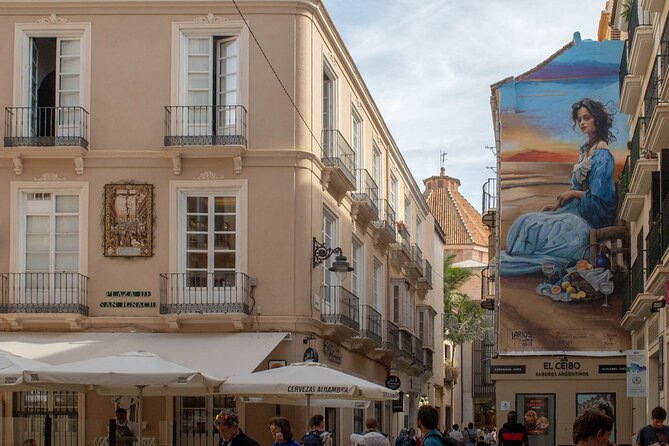
The tour begins at Pl. Enrique García-Herrera, 20, right in the Distrito Centro. In the first stretch, I like how you get a quick sense of Malaga’s geography before you even start “touring.” You’re looking toward the Guadalmedina River and the Puente de los Alemanes, then tying that view to the city’s traditions.
One of the earliest themes is Malaga’s Holy Week culture, including brotherhood-linked places such as the Church of Santo Domingo. Even if you’re not visiting in the festival season, the guide’s focus helps you understand why these churches and traditions matter in everyday Malaga—not just as photo backdrops.
You also pass by the Unicaja Museum of Popular Arts and Customs, a concept that dates back to the sixties. The value here is practical: you learn how the city’s identity gets preserved—through objects, customs, and stories—so you notice those details later as you walk.
Why this matters for you: if you’ve ever felt lost in Malaga’s center, this start gives you a mental map in a friendly way. It’s also a good warm-up pace before the route tightens around older streets.
Possible drawback: the Holy Week angle is central to the early part of the walk. If you only want food, markets, and beaches, you may want to mentally switch gears and enjoy the cultural context as seasoning, not the main meal.
Mapas y Compañía and the street mix: old Muslim-patterned lanes + modern faces
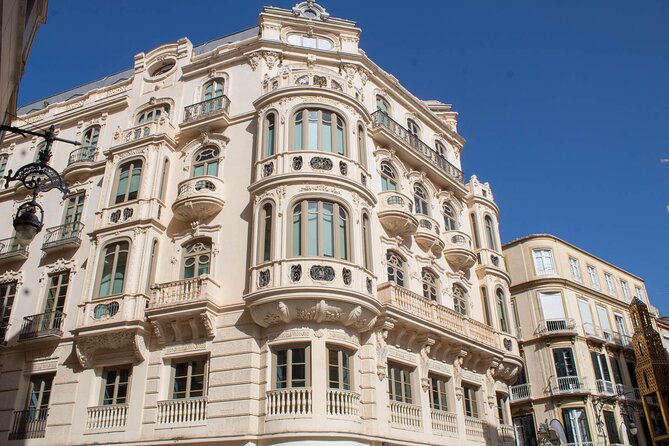
From there, the walking route goes through C/ Compañía and surrounding streets—an area where history shows up in the textures. You’ll see how Muslim-era street traditions still influence the feel of the neighborhood, even when modern businesses occupy the same small spaces.
This stop is more about noticing than checking boxes. The guide points out an original bookstore with displays that let your imagination run. You also see customs imagery—things like fans, wicker crafts, and flamenco dresses—where the shopfront becomes part of the story.
Then you get an interesting contrast: avant-garde is shown right alongside older settings. The tour even touches on the facade of the Thyssen Museum in Malaga, reminding you that Malaga isn’t only old stone and tradition. It’s also a city that updates itself without pretending the past never existed.
What to watch for: look at how signage, display windows, and architectural edges guide you. In old centers, those details help you navigate faster than any map app.
If you’re short on time: this is a great stretch because it’s hands-on. You’re close to shops, so even a quick glance teaches you how locals relate to art and craft in the street.
A 1920 neo-Gothic church: plan, pace, and why design tells stories
Right after the commercial lanes, you’ll pass by a neo-Gothic church built in 1920. The guide shares that it was designed by architect Fernando Guerrero Strachan and that the church plan is basilica, divided into three naves.
This kind of architectural stop can feel abstract—until you realize it’s a fast way to learn what locals mean when they say a place has character. Three naves aren’t just trivia. They’re a clue to how people once gathered, how space shaped worship, and how the neighborhood grew around major religious buildings.
Why I like this on a walking tour: you don’t need to stop for long. You get just enough to make later observations click. After this, you’ll likely start noticing angles, arches, and how streets “aim” toward church facades.
Potential consideration: this stop is brief, so if you love deep architectural tours, you might want additional time afterward on your own near the sights you find most interesting.
Worth a look before you lock in this Málaga day out:
- PREMIUM TAPAS TOUR: Paella, Market Tastings, and Winery
★ 4.7 · 27 reviews - Málaga: Paella and Sangria Cooking Class with Market Visit
★ 4.9 · 26 reviews - The Málaga Market & Tapas Tour By Food Lover Tour
★ 5.0 · 23 reviews
Plaza de la Constitución: coffee lore, a fountain, and cathedral views you can actually feel
Plaza de la Constitución is one of Malaga’s emblematic squares, and the guide uses it well. You’ll hear how the square’s name changed with Spain’s political and social ups and downs. That background helps you see the square as more than a pretty open space—it’s a record of shifting eras.
The stop includes the Fountain of the Three Graces and notes around the mythical Café Central, now disappeared. You’ll also get a specific Malaga twist: the guide talks about the city’s coffee traditions and the variety of coffees you’ll find here, plus a poetic idea about a cloud being more than just sky (the point is that Malaga treats weather and daily rituals like part of the conversation).
Then comes the payoff: views of the Cathedral and the major “arteries” of the square—streets that lead into key cultural zones like Plaza Uncibay and C/ Granada. Picasso’s importance is highlighted here, and the guide also nods to places tied to nightlife and local dining culture, including Pimpi and The Bell.
Practical tip: if you’re planning where to eat later, this square is your cue. Walk away noticing which streets feel easiest to reach on foot from here.
Pasaje de Chinitas: flamenco’s alleyway history in a 5-minute stop
One of the most memorable parts of the route is Pasaje de Chinitas. The guide explains why it’s famous around the world: this narrow passage has been associated with flamenco singing and dancing for more than a century.
What matters most is the explanation of duende—this intense, emotional “something” that performers develop in small bar and tavern spaces. Instead of treating flamenco like a distant museum subject, this stop places it where it belongs: in everyday venues along a tight corridor where sound carries and atmosphere gathers.
Why this is good value: you’re not spending 45 minutes in a show. You’re getting the context that makes it easier to spot flamenco in the city later, including how locals frame the art.
Consideration: the stop is short. If you want to linger for photos or to listen outside a venue, you’ll need to do that on your own after the tour rather than expecting a long pause here.
Calle Larios and its 1887–1891 swagger: classic shopping with small surprises
Calle Larios is Malaga’s main street—built between 1887 and 1891—and it works as the tour’s “historical spine.” The guide describes it as the nerve center for commercial and entertainment life, but the route keeps you from falling into the trap of thinking it’s just another shopping lane.
You’ll learn about places like Casa Mira, century-old pharmacies where master formulas are still served. The tour also points out views linked to the old entrance to the sea, which is a neat way to connect the street scene to what the city used to be physically.
Why I think this stop helps you: it gives you a more grounded interpretation of a famous street. You start seeing why the street’s layout and buildings matter, not just that it’s famous.
Small reality check: if you’re sensitive to crowds or prefer quiet walks, this is the part where the center feels busiest. Plan for a bit more street energy here than in the smaller side lanes.
Plaza de Félix Sáenz and Sagasta Street corners: architecture you can spot fast
Plaza De Felix Saenz is where the tour shifts into “look closely” mode again. The guide focuses on the beautiful facade of the old Almacenes de Félix Sáenz and how it became a symbol of the city’s cultural and economic life. You’ll also hear about the renovation process, which helps you understand how Malaga preserves character while updating use.
Then comes the square experience itself: you’re shown as a meeting place for locals during shopping moments and leisure dining. The guide also points out sculptures and magical corners that many people miss when they’re rushing through.
Next is a quick architectural stop at Edificio Sagasta, 5—designed by Guerrero Strachan, built in 1925. The building is described as a narrow house that fits into a corner, forming a kind of keel shape. It’s exactly the kind of detail that makes walking tours fun because it trains your eyes.
Why it’s worth including: these are the places you wouldn’t necessarily target on your own. And once you notice one “quirky” building, you start noticing five others around it.
Ending at Mercado Central de Atarazanas: Muslim walls, shipyards, and what to look for
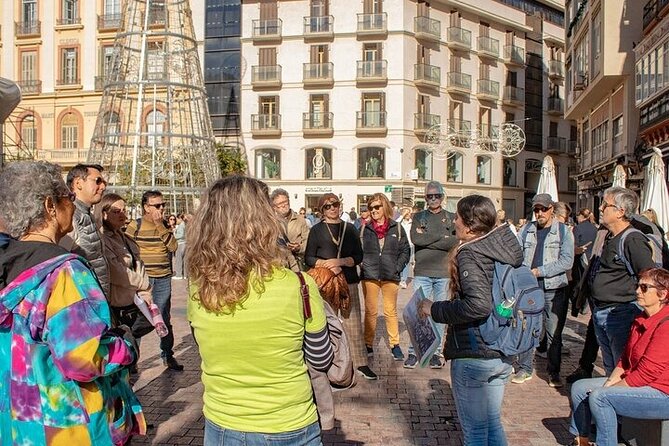
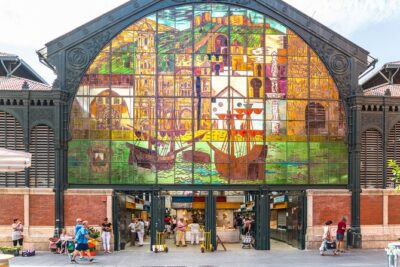
The final stretch is the reason the tour has a strong title appeal. You’ll reach the Mercado Central de Atarazanas at the end of the walk, finishing at C. Atarazanas, 9, at the main entrance.
The guide shares multiple layers of what’s inside the market area. You’ll hear about Muslim walls that once surrounded the city, and you’ll connect that to the older shipyards located in the same general area. The result is that the market doesn’t feel like a modern food hall only—it feels like a continuation of older urban life.
The guide also points you toward what to pay attention to inside: architectural elements, art and history, plus both traditional and avant-garde businesses in the surrounding streets. Even though you only spend about 15 minutes here on the tour, you’re set up to keep browsing afterward with a better sense of what you’re seeing.
Practical tip for you after the tour: since you end right at the main entrance, you can extend your visit with less pressure. Use the time to pick one or two things you actually want, not everything at once.
Possible drawback: 15 minutes is not a full-market tasting session. If you want a long food crawl, treat this as your orientation and then plan your own extra time.
Price and logistics: why this $17.80 walk is a smart way to spend 2 hours
Let’s talk value. At $17.80 per person for about 2 hours, with a professional local guide and all taxes included, this is priced like an “easy add-on” that actually teaches you how to see the city. You also get a mobile ticket, which keeps things simple at check-in.
Most of the featured stops involve free admission tickets, so you’re paying for interpretation more than entry fees. That’s important in Malaga, where you can sometimes end up paying for attractions you only half-care about.
Logistics are straightforward. The tour meets at Pl. Enrique García-Herrera, 20 (Distrito Centro) and ends at the main entrance of Atarazanas Central Market. Public transportation is nearby, including the metro stop at Atarazanas and the train stop Málaga Centro Alameda. There’s also public parking at the departure point.
Quick timing advice: since it’s a central walk, I’d schedule it earlier in your Malaga day. It gives you street confidence for the rest of your plans.
What’s not included: food and drink are not part of the tour price, and tips are optional.
Who should bring cash? If you want to buy anything at the market or along Calle Larios, you’ll want spending money ready.
Comfort, pace, and who this tour fits best
The tour is described as accessible for people of different physical abilities and ages, and it’s framed as easy and comfortable. Still, it’s a walking route through the historic center, so you’ll want comfortable shoes.
The group limit is capped at 20, which is another reason it feels manageable. In a small group, you can keep up without feeling like you’re sprinting, and the guide can adjust based on what people ask.
If you like culture but prefer it practical—churches with living traditions, streets with real shopfront stories, markets explained as places with layers—this fits well. It’s also a good choice if you want a guided overview without committing to a long day.
Should you book this Malaga Central Market walking tour?
Book it if you want a guided route through Malaga’s heart that connects Holy Week traditions, flamenco culture, classic streets, and the Atarazanas market setting. The price is fair for the interpretation you get, and the end point (the market) makes it easy to keep exploring afterward.
Skip it (or plan differently) if you want a long market tasting experience or a slow, sit-down museum-style day. This is about walking, learning the why behind the places, and getting oriented fast.
If you’re visiting for the first time and want your bearings with a local voice, this is one of those “do early, then wander” kinds of tours.
FAQ
How long is the Central Market of Malaga walking tour?
It lasts about 2 hours.
What’s included in the tour price?
A professional local guide and all taxes are included. Food and drink are not included.
Where does the tour start and end?
It starts at Pl. Enrique García-Herrera, 20, Distrito Centro, Málaga and ends at C. Atarazanas, 9 at the main entrance of Atarazanas Central Market.
Is admission included for the stops?
The tour notes that admission tickets for the stops are free.
Is it suitable for people with limited mobility?
The tour is described as accessible to all types of people regardless of physical ability or age.
Is a mobile ticket provided?
Yes, the tour uses a mobile ticket.
Is there a cancellation option if plans change?
Yes. You can cancel for free up to 24 hours before the experience starts for a full refund.
If you want, tell me what time of day you’re considering and what you care about most (food, architecture, flamenco, or local traditions), and I’ll suggest the best way to pair this walk with the rest of your Malaga day.
More Markets Around Málaga
- Malaga: The Ultimate Tapas Workshop with Market Visit
★ 4.9 · 108 reviews - Malaga Market Food Tour: Tapas, Drinks, and Local Flavors
★ 5.0 · 78 reviews - Private Malaga: Alcazaba, Museum, Market, Cathedral & Picasso
★ 5.0 · 28 reviews - PREMIUM TAPAS TOUR: Paella, Market Tastings, and Winery
★ 4.7 · 27 reviews - Málaga: Paella and Sangria Cooking Class with Market Visit
★ 4.9 · 26 reviews - The Málaga Market & Tapas Tour By Food Lover Tour
★ 5.0 · 23 reviews
More Shopping Tours Around Málaga
- Malaga: The Ultimate Tapas Workshop with Market Visit
★ 4.9 · 108 reviews - Malaga Market Food Tour: Tapas, Drinks, and Local Flavors
★ 5.0 · 78 reviews - Gibraltar Shopping Guided Tour from Costa del Sol
★ 4.0 · 56 reviews - Private Malaga: Alcazaba, Museum, Market, Cathedral & Picasso
★ 5.0 · 28 reviews - PREMIUM TAPAS TOUR: Paella, Market Tastings, and Winery
★ 4.7 · 27 reviews - Málaga: Paella and Sangria Cooking Class with Market Visit
★ 4.9 · 26 reviews
More Málaga Trips, Reviewed
- Malaga: Catamaran Sailing Trip with Sunset Option
★ 4.4 · 8,613 reviews - Málaga: Alcazaba and Roman Theatre Guided Tour With Entry
★ 4.8 · 5,792 reviews - Ronda and Setenil Tour with Free Time and Map from Málaga
★ 4.8 · 5,344 reviews - From Málaga: Caminito del Rey Day Trip & Guided Tour
★ 4.8 · 4,683 reviews - From Malaga and Costa del Sol: Gibraltar Tour
★ 4.4 · 4,483 reviews - Malaga: Teatro Flamenco Malaga Live Flamenco Show
★ 4.7 · 4,254 reviews
Fresh Off the Boat: Newly Reviewed Málaga Trips


Markets, side by side.
 ★ 4.9The Ultimate Tapas Workshop with Market VisitFrom $78108 reviews
 ★ 5.0Malaga Market Food Tour: Tapas, Drinks, and Local FlavorsFrom $5678 reviews
 ★ 5.0Private Malaga: Alcazaba, Museum, Market, Cathedral & PicassoFrom $17128 reviews
 ★ 4.7PREMIUM TAPAS TOUR: Paella, Market Tastings, and WineryFrom $7627 reviews
 ★ 4.9Paella and Sangria Cooking Class with Market VisitFrom $9426 reviews
 ★ 5.0The Málaga Market & Tapas Tour By Food Lover TourFrom $7623 reviews
 ★ 5.0Malaga Food Walking Tour with Atarazanas Market VisitFrom $10823 reviews
★ 4.5PREMIUM TAPAS TOUR: Paella, Market Tastings, and WineryFrom $7812 reviews
★ 5.0Malaga Food Walking Tour with Atarazanas Market VisitFrom $10823 reviews
★ 4.5PREMIUM TAPAS TOUR: Paella, Market Tastings, and WineryFrom $7812 reviews
Other lists this tour appears in