
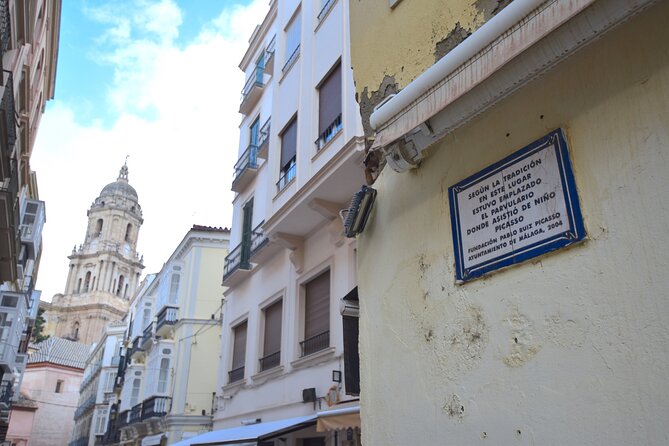
Review · PICASSO MUSEUM & BIRTHPLACE
Picasso roots Private Walking Tour in Central Malaga
Picasso’s childhood is walking-distance in Málaga. This private 2-hour route strings together the real places tied to Picasso’s family and early life, so you’re not just seeing sights—you’re learning how Málaga shaped the artist. I love that it’s built like a story you can follow street by street, from nineteenth-century context to the very specific locations that still matter today.
I also like the human, practical angle: you get guided connections between the church, the museum, Picasso’s father’s teaching life, and even Cafe Chinitas. One possible drawback: it’s a lot of walking in roughly two hours, so you’ll want comfortable shoes and a steady pace (especially if you’re a bit tired from earlier sightseeing).
In This Review
- Key Things to Know Before You Go
- Central Málaga and the 2-Hour Picasso Roots Plan
- Teatro Cervantes Start: Getting Oriented Before You Hit the Streets
- XIXth-Century Malaga: The Background That Makes Picasso Make Sense
- Picasso’s Playground: Seeing Early Life in Real Places
- Birthplace and Family Connections You Can Actually See
- The Church Stop: Baptism and Marriage in One Place
- The Picasso Museum Angle: Why Works Landed in Málaga
- Following the Father: Where He Taught and Where Picasso Visited
- Cafe Chinitas: A Specific Stop Tied to Picasso’s Last Visit
- Bishop’s House and a Special Exhibition Stop
- Price and Value: Is $120.41 Per Person Worth It?
- Who This Tour Fits Best (and Who Might Want Something Else)
- Book It or Skip It? My Honest Advice
- FAQ
- FAQ
- How long is the Picasso roots private walking tour?
- Is this tour private or shared?
- Where does the tour start and where does it end?
- What language is the tour offered in?
- What’s included in the price?
- Is there a mobile ticket?
- Is it very walking-heavy?
- When will I get confirmation after booking?
- What’s the cancellation policy?
Key Things to Know Before You Go
- A private guide for your group: you’re not sharing your attention with strangers.
- A tight 2-hour route that focuses on Picasso’s beginnings and family ties, not a long mega-tour.
- Central Málaga locations: starting near Teatro Cervantes and finishing at Plaza del Obispo.
- Museum context, explained on-site—why the Picasso museum exists through family lending of works.
- One of the most specific stops is Cafe Chinitas, tied to what happened during Picasso’s last visit to Málaga.
- Expect walking: the experience is designed for moving between several meaningful buildings.
Still on the Picasso trail? A few more
- Málaga: Picasso Birthplace Museum Ticket & City Audio Guide★ 4.1 · 158 reviews
- Paint your own Picasso★ 5.0 · 61 reviews
- Málaga: Picasso Museum Tour with an Expert Art Guide for Small Groups★ 4.8 · 58 reviews
- Málaga: Paint your own Picasso★ 5.0 · 49 reviews
Central Málaga and the 2-Hour Picasso Roots Plan
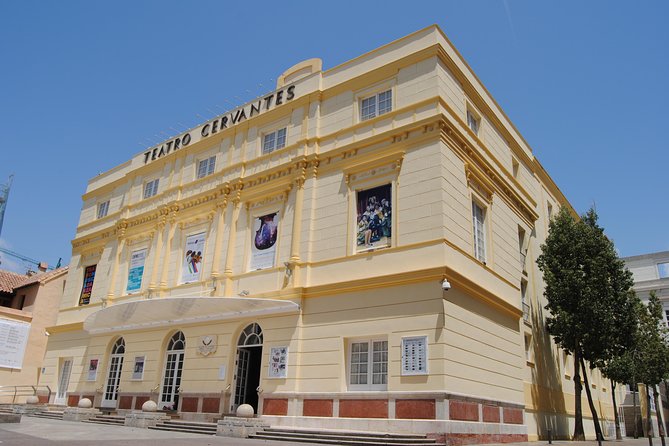
This tour is basically a guided walking route through the parts of central Málaga that connect directly to Picasso’s life. The timing matters here: at about 2 hours, the guide keeps you moving, with just enough time at each stop to understand what you’re looking at.
What makes it feel worthwhile is the way the route builds logic. You don’t jump randomly between landmarks. Instead, you go from the city and its nineteenth-century society, into the world around Picasso as a child, and then into the family connections that explain why so much Picasso material ended up in Málaga in the first place.
And because it’s private, you can ask follow-ups without the tour rhythm getting broken. That’s a big deal on tours like this—Picasso details can get complicated fast, and a dedicated guide helps you keep it straight.
Teatro Cervantes Start: Getting Oriented Before You Hit the Streets
You’ll begin at Teatro Cervantes, on C. Ramos Marín, s/n, Distrito Centro (near the city’s central action). It’s a good starting point because it’s easy to orient yourself before the tour starts moving through older-feeling streets and key buildings.
From the first moments, you’ll be working with the guide’s main goal: placing Picasso inside Málaga’s nineteenth-century environment. That means you’re not just memorizing names and dates—you’re learning how the city’s social world formed the setting for his childhood.
If you like tours that give you a map in your head (even without a literal map), this starting approach will click. You start with context, then you go directly to the places connected to that context.
XIXth-Century Malaga: The Background That Makes Picasso Make Sense
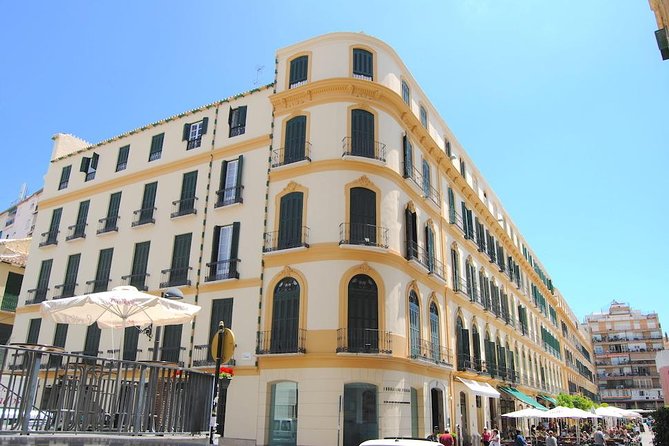
One of the earliest stops is about how Málaga functioned in the nineteenth century—right in the kind of building where that story lives in plain sight. This is useful even if you think you already know Picasso. The art is famous, but the city’s everyday life is what makes the childhood pieces connect.
Here’s what I like about this part: it sets up the rest of the walk so the stops don’t feel like separate trivia. When the guide talks about Málaga’s society and what it was like when Picasso was born, you start to see why the next locations matter. You’re preparing your brain to recognize people, family dynamics, and local institutions as part of the same picture.
A small note for expectations: this section is about context. If you prefer nonstop photos and immediate “wow” views, the context may feel a little slower at first—but it pays off once you reach the more personal stops tied to his family.
Keep wandering the old centre, more routes
- Malaga Bike Tour – Old Town, Marina & Beach
★ 4.7 · 1,150 reviews - Málaga: 3-Hour Complete Walking Tour with Tickets
★ 4.5 · 976 reviews - Málaga: Highlights, Hidden Gems and Coast Vintage Bike Tour
★ 4.7 · 459 reviews
Picasso’s Playground: Seeing Early Life in Real Places
Next, you’ll meet what’s described as what was Picasso’s playground. This stop is where the tour turns from general context into lived experience. You’re not only learning where he was—it’s about imagining the daily world around him.
This is also one of the stops where a guide makes a difference. A good explanation helps you translate a street corner or building facade into something meaningful: where a child might roam, where he might observe life, and how an artist gets trained early by the world around him.
Practical tip: if you enjoy architecture, keep your eyes up and scan details as the guide talks. The value here is that the explanation is tied to specific places, not vague neighborhood descriptions.
Birthplace and Family Connections You Can Actually See
After that, you’ll see Picasso’s birthplace and learn about his family. This is the emotional core of the tour. The reason it works is that the guide doesn’t treat the birthplace as a museum object. You’re looking at the real setting and then hearing how the family story connects to the artist’s path.
What you should expect at this stage is a mix of place-based storytelling and family details that tie into the bigger theme of the route: Picasso didn’t form in isolation. Málaga mattered, and his family mattered.
If you care about motivation—how artists become who they are—this is where the tour is at its best. You’re not just collecting facts; you’re seeing the structure behind them.
The Church Stop: Baptism and Marriage in One Place
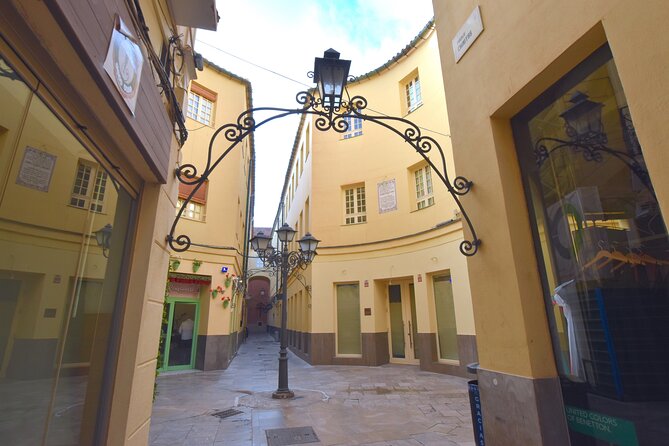
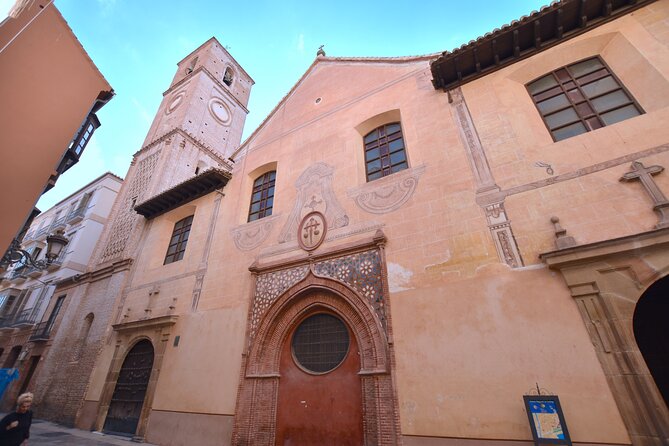
You’ll also see the church where Picasso was baptised and his parents got married. That’s a strong double connection, and it’s the kind of stop that turns the city into a timeline you can walk.
This is also one of the moments where the guide’s explanations really matter, because religious and family milestones can be easy to reduce to a date. A good guide helps you understand why those milestones show up in an artist’s “roots” story: they reflect how families were anchored in local institutions.
Drawback to consider: church stops often mean slower pacing while you look and listen. It can be wonderful, but if you’re short on energy, save your biggest stamina for the walking portions after the church.
The Picasso Museum Angle: Why Works Landed in Málaga
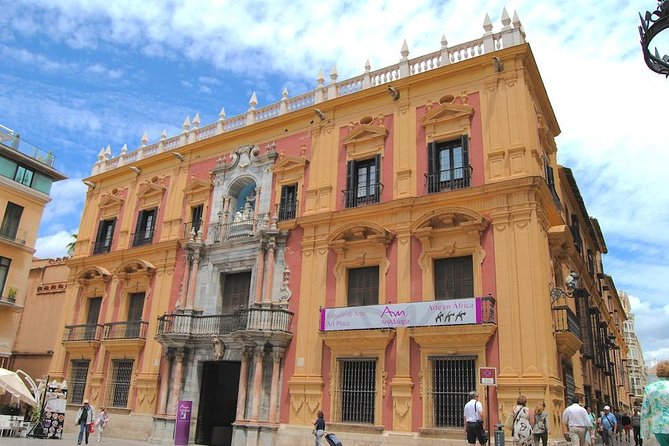
A later stop explains why we have a Picasso museum and how his family lent his works to the city. This part is genuinely practical, because it changes the way you’ll understand the museum once you visit it—or even if you’ve already visited.
Instead of the museum feeling like a random attraction, you get the chain of custody: family involvement, local connection, and the reason Málaga became a home for Picasso materials. That makes the museum more than a building. It becomes a continuation of the birthplace story you just walked through.
If you’re the type of person who likes to know the backstory behind why a museum exists, you’ll probably rate this portion highly. It adds meaning to something you might otherwise treat as a must-see checklist item.
Following the Father: Where He Taught and Where Picasso Visited
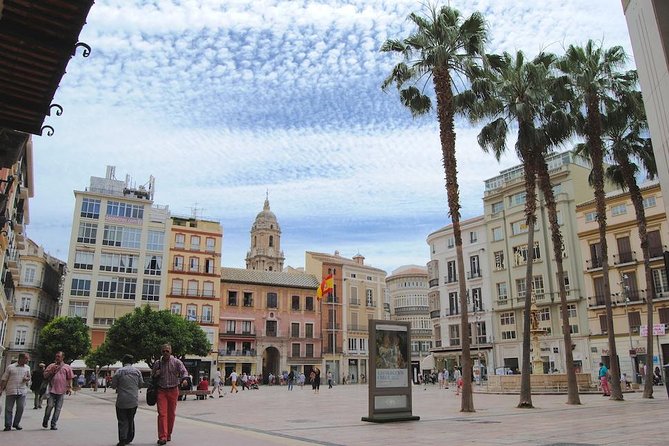
You’ll see where Picasso’s father used to teach and where Picasso himself used to go to visit him. This stop is one of the most “roots” focused moments on the entire route.
It’s easy to think of famous artists as starting with genius and ending with genius. This kind of stop nudges you toward a more grounded idea: Picasso’s early environment included education, daily contact with family routines, and a local culture tied to teaching and learning.
Even if you don’t remember every detail the guide shares, the emotional takeaway is clear—you can connect the idea of learning and observation directly to place. That’s the magic of guided walking tours like this: your brain files the story into real locations.
Cafe Chinitas: A Specific Stop Tied to Picasso’s Last Visit
Then you’ll reach Cafe Chinitas, and you’ll hear what happened there in Picasso’s last visit to Malaga. This is one of the most distinctive stops because it blends art history with lived social life.
Why it works: cafés are where stories happen. They’re conversation spaces, meeting places, and stages for the kinds of public moments that later become part of an artist’s legend. Hearing the guide’s explanation here gives the stop a sense of timing and drama instead of making it just a photo opportunity.
Practical consideration: if you’re hoping to buy a drink or snack, don’t count on time. The tour is structured around learning at stops. Use the moment to listen and look, and then save café breaks for after.
Bishop’s House and a Special Exhibition Stop
The tour ends at Plaza del Obispo, and along the way you’ll see the Bishop’s House, where a special exhibition was held about Picasso’s work.
This final section adds a sense of “present day” reflection. You start with nineteenth-century context and family life, then you end with an institutional setting—showing how Picasso’s story continues to be interpreted through exhibitions and civic memory.
It’s a nice landing place because Plaza del Obispo is one of those central zones where you can keep exploring without feeling stranded. Once the guide releases you, you can turn the last stop into a starting point for the rest of your day in Málaga.
Price and Value: Is $120.41 Per Person Worth It?
At $120.41 per person for a private tour lasting about 2 hours, the value depends on your travel style.
You’re paying for a local guide who can connect multiple locations into a single narrative. That’s different from a generic walking tour where the guide might cover broad topics across many stops. Here, the focus stays tight: Picasso’s roots, his family, his baptism church, the museum connection, and specific places like Cafe Chinitas.
This can be worth it if:
- You want a focused, story-driven walk instead of a checklist.
- You enjoy learning details about how museums and famous works connect back to real people and places.
- You’re traveling with someone and want more direct pacing and questions (since it’s private).
It may feel steep if:
- You mainly want big views and fast photo stops.
- You’re very budget-driven and already plan to do self-guided Picasso visits.
The good news: the tour includes a local guide and is offered in English, plus there are group discounts available. That can help if you’re not traveling solo.
Who This Tour Fits Best (and Who Might Want Something Else)
This is ideal for you if you’re curious about Picasso but also want the “why” behind Málaga’s connection to him. It’s a great choice if you like family stories, civic history, and place-based explanations.
It also fits well if you appreciate architecture and historical buildings. You’ll be staring at the kind of facades where a good guide turns stone and doorways into timelines.
If you’re not into walking, you might feel the pace. The reviews point to a longer, more walking-heavy experience in a short time. Bring patience—and plan your day so you don’t need to rush off to dinner immediately after.
Book It or Skip It? My Honest Advice
I’d book this tour if you want a guided route that links Picasso to the actual Málaga locations behind his life story—birthplace, church milestones, family teaching, and even Cafe Chinitas. The museum explanation is a nice bonus because it turns a future visit (or your prior visit) into something more meaningful.
Skip it only if you prefer independent sightseeing with minimal walking time, or if you already have a very detailed background you can cover on your own. In that case, you might not use the guide to full effect.
If you do book: wear comfortable shoes, expect a lot of movement, and treat the guide’s narrative as the main attraction. The places are important—but the connections you hear are the real payoff.
FAQ
FAQ
How long is the Picasso roots private walking tour?
It lasts about 2 hours.
Is this tour private or shared?
It’s private, meaning only your group participates.
Where does the tour start and where does it end?
It starts at Teatro Cervantes (C. Ramos Marín, s/n, Distrito Centro, 29012 Málaga) and ends at Plaza del Obispo (Distrito Centro, 29015 Málaga).
What language is the tour offered in?
The tour is offered in English.
What’s included in the price?
It includes a private tour and a local guide.
Is there a mobile ticket?
Yes, a mobile ticket is included.
Is it very walking-heavy?
You should wear comfortable shoes and clothes, and the experience involves walking between multiple stops.
When will I get confirmation after booking?
Confirmation is received within 48 hours of booking, subject to availability.
What’s the cancellation policy?
You can cancel for a full refund up to 24 hours in advance of the experience start time. If you cancel less than 24 hours before, it isn’t refunded.
More Málaga Trips, Reviewed
- Malaga: Catamaran Sailing Trip with Sunset Option
★ 4.4 · 8,613 reviews - Málaga: Alcazaba and Roman Theatre Guided Tour With Entry
★ 4.8 · 5,792 reviews - Ronda and Setenil Tour with Free Time and Map from Málaga
★ 4.8 · 5,344 reviews - From Málaga: Caminito del Rey Day Trip & Guided Tour
★ 4.8 · 4,683 reviews - From Malaga and Costa del Sol: Gibraltar Tour
★ 4.4 · 4,483 reviews - Malaga: Teatro Flamenco Malaga Live Flamenco Show
★ 4.7 · 4,254 reviews
The Old Centre, Keep Walking
- Malaga Bike Tour – Old Town, Marina & Beach
★ 4.7 · 1,150 reviews - Málaga: 3-Hour Complete Walking Tour with Tickets
★ 4.5 · 976 reviews - Málaga: Highlights, Hidden Gems and Coast Vintage Bike Tour
★ 4.7 · 459 reviews - Málaga: Cathedral, Alcazaba, Roman Theater Walking Tour
★ 4.7 · 315 reviews - Malaga: Complete City Highlights Segway Tour
★ 4.9 · 232 reviews - Malaga Private Walking Tour, Alcazaba & Catamaran Cruise
★ 5.0 · 159 reviews
Following Picasso Through Málaga
- Malaga: Picasso Museum Guided Tour with Skip-the-Line Ticket
★ 4.8 · 485 reviews - Málaga: Picasso Birthplace Museum Ticket & City Audio Guide
★ 4.1 · 158 reviews - Paint your own Picasso
★ 5.0 · 61 reviews - Málaga: Picasso Museum Tour with an Expert Art Guide for Small Groups
★ 4.8 · 58 reviews - Málaga: Paint your own Picasso
★ 5.0 · 49 reviews - Malaga: Old Tour Walking Tour w/Cathedral & Picasso Museum
★ 4.7 · 49 reviews
Fresh Off the Boat: Newly Reviewed Málaga Trips
Picasso Museum & Birthplace, side by side.
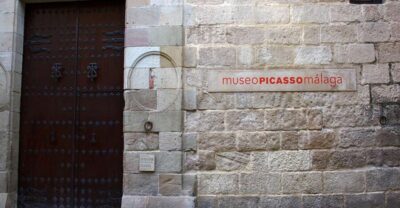 ★ 4.8Picasso Museum Guided Tour with Skip-the-Line TicketFrom $41485 reviews
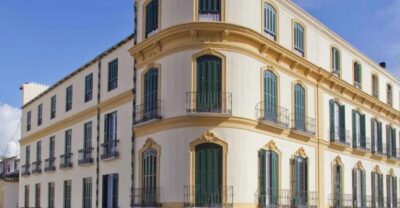 ★ 4.1Picasso Birthplace Museum Ticket & City Audio GuideFrom $11158 reviews
 ★ 5.0Paint your own PicassoFrom $4761 reviews
 ★ 4.8Picasso Museum Tour with an Expert Art Guide for Small GroupsFrom $5358 reviews
 ★ 4.7Old Tour Walking Tour w/Cathedral & Picasso MuseumFrom $6549 reviews
 ★ 5.0Paint your own PicassoFrom $4649 reviews
 ★ 3.5Picasso’s Birthplace Museum Entrance TicketFrom $447 reviews
 ★ 4.9Alcazaba, Picasso and more, walking tour with 5 VR experiences !From $2336 reviews
Other lists this tour appears in