
Review · PICASSO MUSEUM & BIRTHPLACE
Málaga: Paint your own Picasso
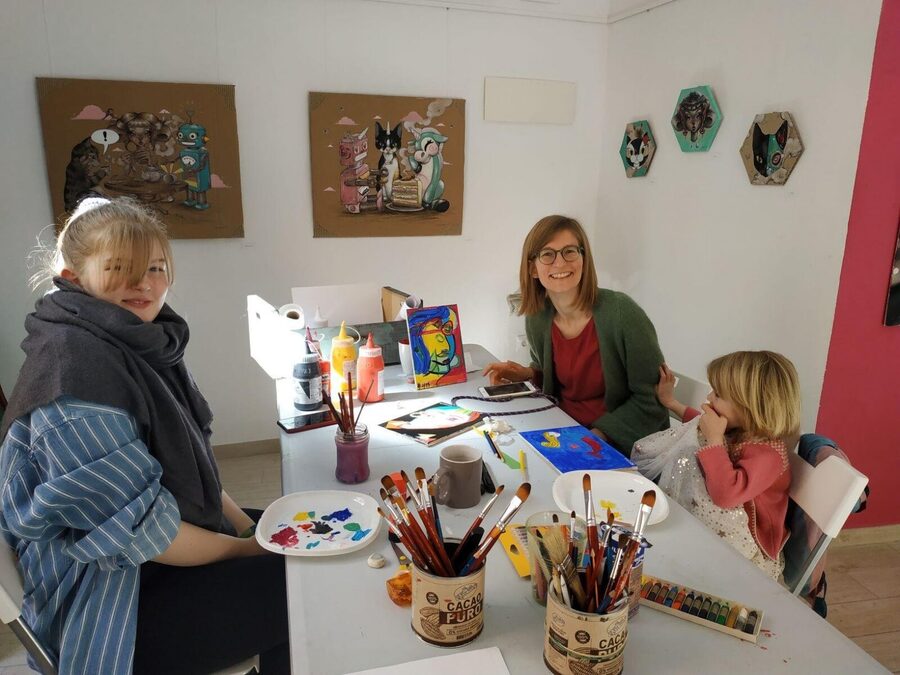
Cubism sounds intimidating until you’re holding a brush. This 2-hour workshop lets you create your own Picasso-inspired artwork with local artist guidance, even if you’ve never painted before. The studio is in Lagunillas, close to both Picasso’s birthplace and the Picasso Museum, so it pairs nicely with the rest of your Malaga day.
My favorite part is how the teaching stays practical: you’re shown how to build cubist shapes and mix color, then you leave with something you made. The only real catch is time—at 2 hours, you’ll finish feeling proud, but a longer session could let you polish a bit more.
In This Review
- Key highlights at a glance
- Picasso’s world, but made with your hands
- Where the workshop happens in Lagunillas
- The two-hour flow: from Picasso chat to your cubist painting
- 1) Start with a short Picasso intro
- 2) Learn the cubism method without copying
- 3) Mixing paint and getting the colors to land right
- 4) Finishing so you can take it home
- What you’re actually painting (and why that matters)
- The instruction style: supportive, clear, and practical
- Location perks: pair it with Picasso Museum time
- Price and value: $46 for materials and take-home art
- Who this workshop suits best (and who might hesitate)
- Practical tips so your visit runs smoothly
- Should you book this Picasso workshop?
- FAQ
- How long is the Malaga paint-your-own-Picasso workshop?
- What’s the price?
- Do I need any painting experience or special skills?
- Are art materials included?
- Where is the meeting point?
- What age can children join?
Key highlights at a glance
- Local artist-led class that turns Picasso’s ideas into step-by-step painting
- Beginner-friendly approach with no prior techniques needed
- Take-home cubist artwork made in a studio-gallery setting
- Location benefit: about 5 minutes from the Picasso Museum and 50m from Picasso’s birthplace
- All materials included, so you don’t arrive hunting for supplies
- Family-friendly for kids 8+, with the same guided process for different levels
Still on the Picasso trail? A few more
- Málaga: Picasso Birthplace Museum Ticket & City Audio Guide★ 4.1 · 158 reviews
- Paint your own Picasso★ 5.0 · 61 reviews
- Málaga: Picasso Museum Tour with an Expert Art Guide for Small Groups★ 4.8 · 58 reviews
- Málaga: Paint your own Picasso★ 5.0 · 49 reviews
Picasso’s world, but made with your hands
Malaga is the kind of city where art is not just something you look at. Picasso’s presence feels physical here, and this workshop uses that advantage in the best way: you start learning before you ever step into the museum mindset.
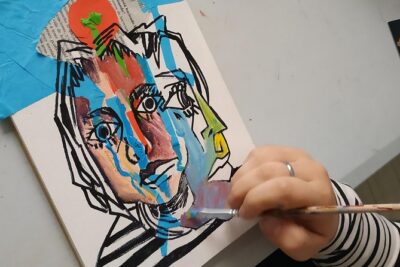
The pitch is simple. You paint a cubist-style artwork through the eyes of Picasso, without copying his paintings. That means you focus on the method—fractured forms, bold color choices, and rearranged perspectives—rather than trying to reproduce a famous image. If you like the idea of making art that feels connected to place, you’ll like this.
You also get a strong orientation to what Picasso was doing across styles. The session includes a short presentation about his life and key themes, including cubism and the muses/women who appear in his work. It’s not an overload; it’s enough context to help your painting choices make sense.
One more smart touch: the studio is described as a cozy, bright studio-gallery, and the Lagunillas neighborhood is the kind of place where you’ll want photos before and after. You’re not stuck in a classroom with no personality.
Where the workshop happens in Lagunillas
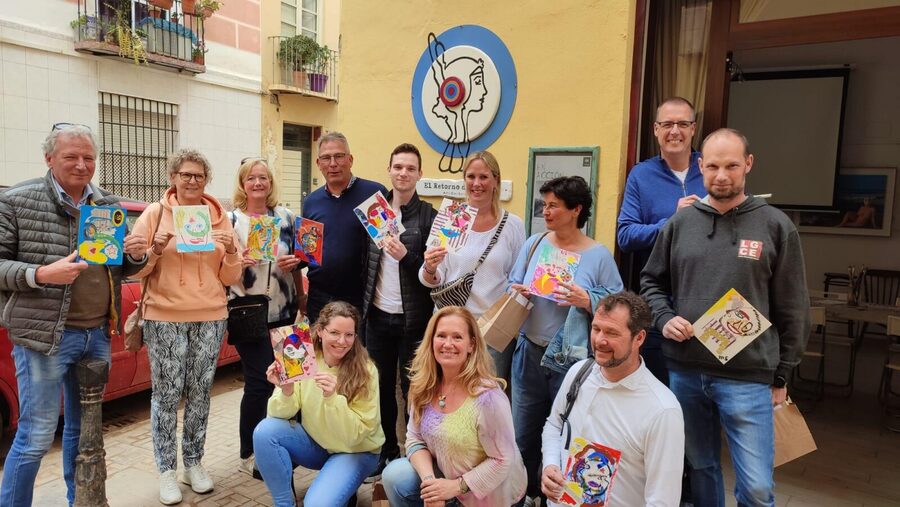
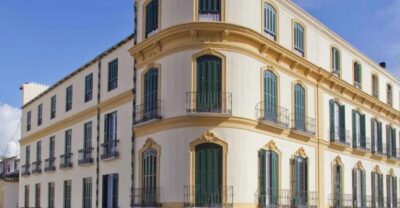
Your meeting point is easy to spot once you know what to look for: a yellow corner, ground floor, with a large round logo in white, blue, and pink.
The workshop itself happens in the provider’s studio-art gallery (El Retorno de Lilith). The important part for you is location. This isn’t “near Malaga’s center” vague. It’s 50 meters from Picasso’s birthplace, and about 5 minutes from the Picasso Museum. That closeness changes the experience: you can treat the class as both an activity and a pre-game for museum time.
Lagunillas is also described as a creator’s neighborhood with graffiti-covered walls. If you like street texture—color, walls, small scenes—you’ll enjoy walking the blocks around the studio. The workshop gives you a reason to slow down and look, not just pass through.
Practical note: because this is a studio setting, plan to wear something you’re comfortable getting paint on, even if the process is beginner-friendly.
The two-hour flow: from Picasso chat to your cubist painting
The class runs for 2 hours, and it follows a clear rhythm: short context, then guided making, then finishing steps so you can take your artwork home.
Brush and lens around Málaga, more sessions
- Express Tuk-Tuk Tour in Malaga: Gibralfaro Viewpoint and Photography
★ 4.1 · 56 reviews - Málaga: Professional Photoshoot and City Tour
★ 4.9 · 44 reviews - Malaga: Drawing & Painting Lesson Outdoors
★ 4.8 · 25 reviews
1) Start with a short Picasso intro
The session begins with an explanation of Picasso’s life and his changing styles, focusing on what matters for painting in a cubist way. Based on descriptions, you’ll also get some context around his works and themes—his most famous directions, and the role of his women/muses.
This part matters because it saves you from guessing. When you understand what cubism is trying to do—rethink how form and perspective work—you don’t paint randomly. You paint with intention.
2) Learn the cubism method without copying
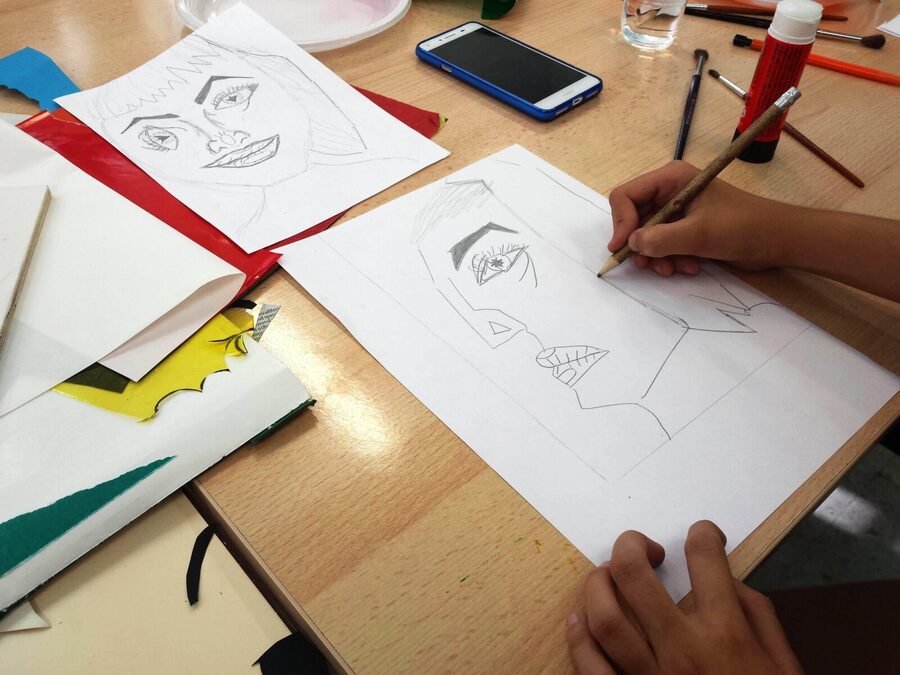
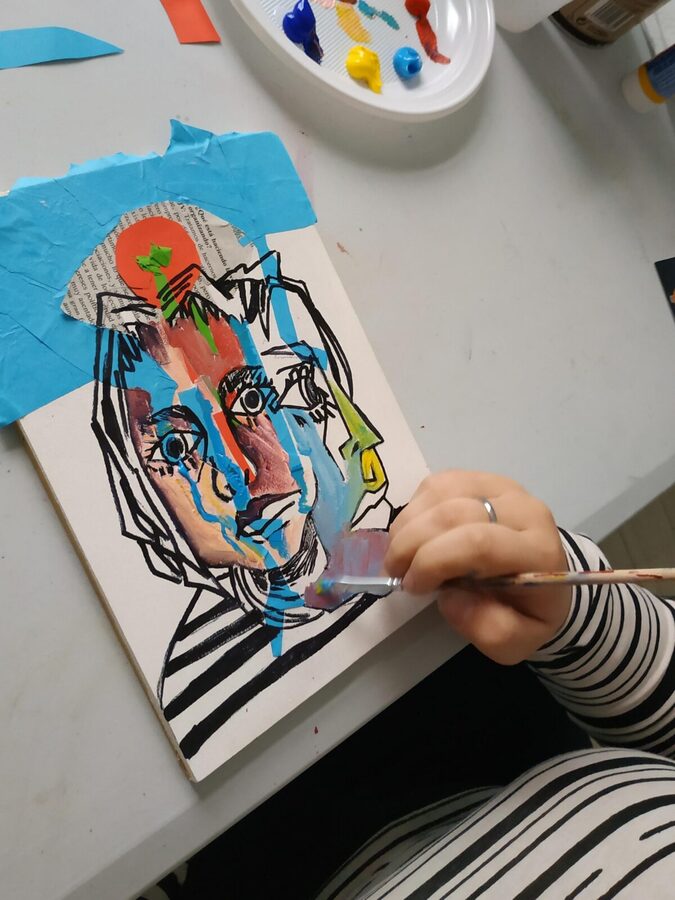
After the intro, you paint your own artwork “through the eyes of Picasso.” The emphasis is on creating something new, not replicating a specific museum piece. You’ll be guided through processes that help you build a cubist composition step by step.
Some participants specifically mention a focus on techniques like drawing a self-portrait and then transforming it into cubist style. Even if your face-and-portrait skills are rusty, the teaching is designed to make the steps workable.
3) Mixing paint and getting the colors to land right
One of the most helpful things mentioned is learning how to mix paint to arrive at good color results. That’s the moment where “I can’t paint” starts turning into “I can do this.”
You’ll be guided through the process rather than left alone with supplies. The class is built for people who have never painted before, so the steps aren’t vague.
4) Finishing so you can take it home
By the end of the session, you’ll have a completed piece you can pack in your luggage. Several descriptions stress that you can easily take your artwork with you, which is exactly what you want if you’re moving around Spain after Malaga.
What you’re actually painting (and why that matters)
The workshop is centered on cubist artwork, inspired by Picasso’s style. But the real value is in the approach: you’re encouraged to free your artistic side rather than fear making a mistake.
In practice, cubism can feel like a trick—like you need “real art talent” to do it. This workshop treats cubism as a series of decisions: break forms, simplify shapes, pick bold color contrasts, and adjust until the composition feels coherent.
That’s why you don’t need previous knowledge. The guidance is meant to help you:
- translate a subject into simplified shapes
- choose colors that support the cubist look
- place elements in a way that feels intentionally fragmented
It also helps if you’re the kind of person who likes a hands-on activity with a theme. You’re not just learning facts; you’re producing a piece of art connected to Malaga.
The instruction style: supportive, clear, and practical
If you only read one thing, read this: the workshop is repeatedly described as friendly and engaging, with an instructor who gives detailed instructions and stays helpful even for non-painters.
The class is led by a local artist, and you’ll often hear the name Xavi (also written Javi in some descriptions). People mention that he explains Picasso’s life briefly, then guides the painting process throughout. That mix—some context, then hands-on help—keeps the session from turning into either a lecture or a craft you figure out alone.
A few useful details that come up in the experience descriptions:
- You can ask for help during the painting steps (so you don’t get stuck).
- The technique is described as simple, but informative enough that you learn something real.
- Even when the group is small, you still get direction and encouragement.
One extra benefit: some people say they wished they’d done this before visiting the museum. That makes sense. Once you’ve practiced cubist thinking, you start noticing the same ideas in Picasso’s work when you see the originals.
Location perks: pair it with Picasso Museum time
Because the studio is close to Picasso’s birthplace and the museum, you can build a smooth artistic day without wasting travel time.
Here’s a smart way to plan it:
- Do the workshop first, then visit the museum while the ideas are fresh in your mind.
- Or, if you already visited the museum, use the class to slow down and test the meaning behind the style.
Also, because Lagunillas has walls full of graffiti, don’t rush past the neighborhood. Before you start painting, you’ll likely enjoy a quick walk for photos. After, you’ll probably want to wander a little more while the art theme is still sticking to your brain.
Price and value: $46 for materials and take-home art
The price is listed at $46 per person for a 2-hour workshop, with materials included and a local artist guiding you. On its face, that sounds like the usual tourist “activity tax.” But the value comes from the package: you get teaching, supplies, time in a real studio-gallery, and an artwork you can take home.
The materials part is key. If you’ve ever done a DIY workshop where you pay extra for supplies, you know it adds up fast. Here, all materials are included, and you’re leaving with something tangible—no sketchbook that stays empty in a drawer.
Also, the closeness to major Picasso sites matters. You’re paying not just for art instruction, but for a convenient base in the exact Picasso area of Malaga.
Finally, the class length is long enough to learn and finish, but short enough to fit into a travel schedule. Some descriptions note that 2 hours can feel slightly tight. Still, it’s a good duration if you want an enjoyable activity that doesn’t swallow your whole day.
Who this workshop suits best (and who might hesitate)
This is a great fit if you want:
- a guided art activity that welcomes beginners
- a creative souvenir you can pack and keep
- a practical way to connect with Picasso’s style without copying a specific painting
It’s also described as suitable for children from 8 years old. That makes it a strong family option, especially if your kids need something more hands-on than museum time.
You might hesitate if:
- you’re expecting a long, museum-style art lecture (this is still a hands-on workshop)
- you want heavy “advanced technique” training beyond cubism basics
- you’re sensitive to paint and messy hands, since this is a painting class even though materials are provided
Practical tips so your visit runs smoothly
A few small choices can make a big difference:
- Wear clothes you don’t mind getting splashed. Even in a guided class, painting is painting.
- Arrive with time to take a quick Lagunillas walk. The graffiti streets are part of the vibe, and it helps you shift into creative mode.
- If you’re planning the Picasso Museum visit, consider timing it soon after the workshop. The cubism ideas you practice can make museum viewing feel more “clicky.”
- If you’re worried about difficulty, remember the class is designed for all levels and explicitly says no prior techniques are required.
Also, check the language option when booking. The class is available in English and Spanish, and sessions mention a live guide.
Should you book this Picasso workshop?
I’d book it if you want a hands-on Picasso connection in Malaga, with step-by-step guidance, included materials, and a take-home piece you can genuinely say you made. At $46 for a finished cubist artwork in a studio near Picasso’s birthplace, the math feels fair—especially if you plan to visit the museum afterward.
I’d think twice only if you’re looking for a longer, more detailed painting course, or you want something strictly observational. This is meant to get your brush moving, not just watch art happen.
If you want a creative afternoon with local instruction, beginner-friendly confidence, and a tangible souvenir, this is one of the more practical ways to experience Picasso’s influence while you’re in Malaga.
FAQ
How long is the Malaga paint-your-own-Picasso workshop?
The workshop lasts 2 hours.
What’s the price?
The price is $46 per person.
Do I need any painting experience or special skills?
No. The workshop is suitable for all levels, and no previous knowledge or techniques are required.
Are art materials included?
Yes. All materials needed to make your artwork are included.
Where is the meeting point?
Meet at the studio in a yellow corner on the ground floor, with a large round logo in white, blue, and pink.
What age can children join?
The workshop is suitable for children from 8 years old, and it is not suitable for children under 8.
More Málaga Trips, Reviewed
- Malaga: Catamaran Sailing Trip with Sunset Option
★ 4.4 · 8,613 reviews - Málaga: Alcazaba and Roman Theatre Guided Tour With Entry
★ 4.8 · 5,792 reviews - Ronda and Setenil Tour with Free Time and Map from Málaga
★ 4.8 · 5,344 reviews - From Málaga: Caminito del Rey Day Trip & Guided Tour
★ 4.8 · 4,683 reviews - From Malaga and Costa del Sol: Gibraltar Tour
★ 4.4 · 4,483 reviews - Malaga: Teatro Flamenco Malaga Live Flamenco Show
★ 4.7 · 4,254 reviews
Brush, Lens and Málaga Light
- Paint your own Picasso
★ 5.0 · 61 reviews - Express Tuk-Tuk Tour in Malaga: Gibralfaro Viewpoint and Photography
★ 4.1 · 56 reviews - Málaga: Professional Photoshoot and City Tour
★ 4.9 · 44 reviews - Malaga: Drawing & Painting Lesson Outdoors
★ 4.8 · 25 reviews - Málaga: Creative Urban Photography Workshop
★ 5.0 · 22 reviews - Photoshooting in Malaga – Photo session by OhMyGoodGuide
★ 5.0 · 10 reviews
Following Picasso Through Málaga
- Malaga: Picasso Museum Guided Tour with Skip-the-Line Ticket
★ 4.8 · 485 reviews - Málaga: Picasso Birthplace Museum Ticket & City Audio Guide
★ 4.1 · 158 reviews - Paint your own Picasso
★ 5.0 · 61 reviews - Málaga: Picasso Museum Tour with an Expert Art Guide for Small Groups
★ 4.8 · 58 reviews - Malaga: Old Tour Walking Tour w/Cathedral & Picasso Museum
★ 4.7 · 49 reviews - Picasso’s Birthplace Museum Entrance Ticket
★ 3.5 · 47 reviews
Fresh Off the Boat: Newly Reviewed Málaga Trips
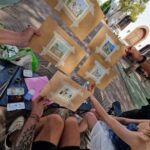
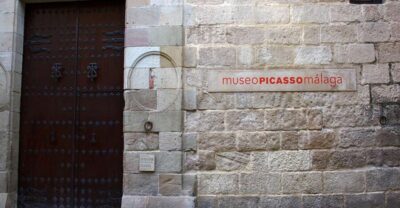
Picasso Museum & Birthplace, side by side.
 ★ 4.8Picasso Museum Guided Tour with Skip-the-Line TicketFrom $41485 reviews
 ★ 4.1Picasso Birthplace Museum Ticket & City Audio GuideFrom $11158 reviews
 ★ 5.0Paint your own PicassoFrom $4761 reviews
 ★ 4.8Picasso Museum Tour with an Expert Art Guide for Small GroupsFrom $5358 reviews
 ★ 4.7Old Tour Walking Tour w/Cathedral & Picasso MuseumFrom $6549 reviews
 ★ 3.5Picasso’s Birthplace Museum Entrance TicketFrom $447 reviews
 ★ 4.9Alcazaba, Picasso and more, walking tour with 5 VR experiences !From $2336 reviews
 ★ 5.0Private Malaga: Alcazaba, Museum, Market, Cathedral & PicassoFrom $17128 reviews
Other lists this tour appears in