
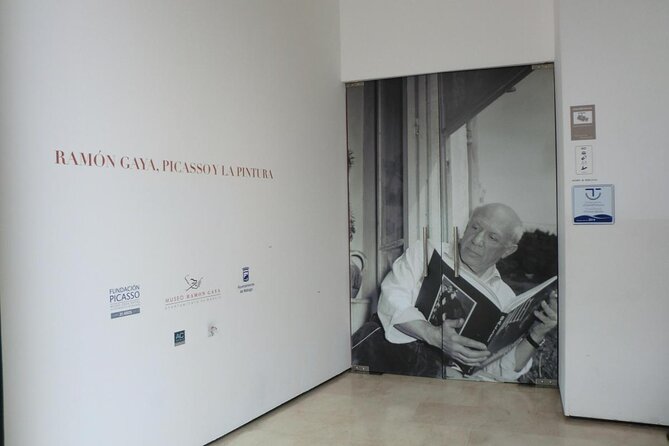
Review · PICASSO MUSEUM & BIRTHPLACE
Picasso’s Birthplace Museum Entrance Ticket
Pablo’s childhood house is a real time machine. In Malaga’s Plaza de la Merced, you visit Picasso’s birthplace at No. 15 and connect it to the artist’s early influences, family life, and later work. This ticket is also built for efficiency, with priority entry and an audio guide so you can move at your pace.
I love two things most: the skip-the-line priority (handy when queues form outside) and the audio guide that covers both English and several other languages while you explore the rooms on your own. You’re also not stuck in one display—there’s access to the permanent collection plus included temporary exhibitions.
One consideration: this is not a long, guided deep-dive. Expect a visit around 1–2 hours, and a small number of people struggle with finding the exact entrance door or with audio playback in certain parts of the museum, so give yourself a little extra buffer.
In This Review
- Key points to know before you go
- Why Picasso’s Birthplace Feels Different Than a Typical Museum
- Ticket Value: Priority Entry at a Budget-Friendly Price
- Your Self-Guided Visit: How to Spend 60–90 Minutes Well
- No 15 Plaza de la Merced: Family Life, Objects, and Early Clues
- What the Permanent Collection Actually Gives You
- The Bonus at No 13 and Included Temporary Exhibitions
- Audio Guide in Six Languages: Best Ways to Use It
- Finding the Entrance Door Without Stress
- Your Timing: Opening Hours and When Free Entry Pops Up
- After the Museum: Why the Plaza Matters
- Should You Book This Picasso Birthplace Ticket?
- FAQ
- How long is the Picasso Birthplace Museum visit?
- What is included with the entrance ticket?
- Which languages are available on the audio guide?
- Where exactly is Picasso’s birthplace museum located?
- What are the opening hours?
- Is there free entry on any days?
- Do I get priority access to avoid queues?
- What group size should I expect?
- What happens if the museum visit is canceled due to weather?
Key points to know before you go
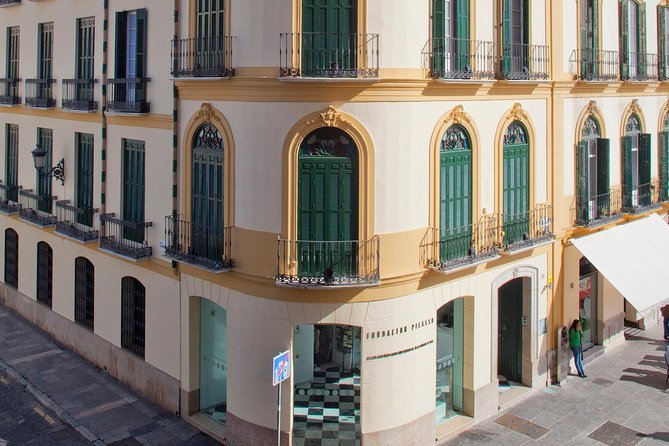
- Real birthplace setting: Picasso was born at No. 15 Plaza de la Merced, and the museum occupies the whole building.
- Priority entry matters: your ticket includes skip-the-line access, often a big deal at peak times.
- Audio guide in many languages: Spanish, French, English, Italian, Chinese, and German.
- More than just Picasso’s stuff: the museum includes family souvenirs, personal objects, and works by many artists.
- Two locations, same square: besides the main building, there’s also an exhibition room at No. 13.
- Short visit, big impact: most people plan about 60–90 minutes and then wander the plaza.
Still on the Picasso trail? A few more
- Málaga: Picasso Birthplace Museum Ticket & City Audio Guide★ 4.1 · 158 reviews
- Paint your own Picasso★ 5.0 · 61 reviews
- Málaga: Picasso Museum Tour with an Expert Art Guide for Small Groups★ 4.8 · 58 reviews
- Málaga: Paint your own Picasso★ 5.0 · 49 reviews
Why Picasso’s Birthplace Feels Different Than a Typical Museum
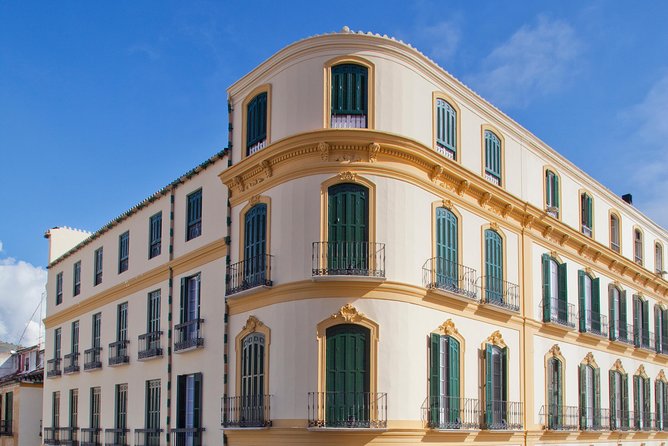
Most Picasso exhibits give you artwork first and context second. Here, you get the order reversed. You start in the actual birthplace building at Plaza de la Merced, with Picasso’s early life tied to the spaces around you. The site matters because it’s not just a “room of paintings.” It’s an Artistic-Historical Monument, declared in 1983, and the museum now fills the whole No. 15 building.
That “home” feeling can change how you look at the art. Even when you’re not a hardcore biography person, you tend to pay more attention to the small clues: family items, personal connections to Malaga, and the way the museum frames Picasso’s early environment as part of his later creative development.
And it’s set in a very livable part of Malaga. When you finish, you’re still in the square area, where you can grab a coffee or keep walking toward other Picasso-related stops without feeling like you’re trapped inside a timed attraction.
Ticket Value: Priority Entry at a Budget-Friendly Price
The price is strikingly low for what you get: $4.81 per person with priority entry included. Even if you don’t love waiting, skip-the-line access is usually where these tickets earn their keep. There can be a noticeable queue outside, and stepping in faster keeps the day flowing.
What you’re buying is simple:
- entrance to the Pablo Picasso Birthplace Museum
- skip-the-line priority
- an audio guide in multiple languages
- access to both permanent and temporary exhibits
If you’re thinking, “Do I need this ticket or can I just show up?” your answer depends on timing. On calmer days, you might not save much time. On busier days, priority entry is the difference between a smooth visit and a time squeeze.
Also, the visit is self-guided, and the group size is capped at 15 travelers. That usually keeps the experience feeling manageable rather than chaotic.
Your Self-Guided Visit: How to Spend 60–90 Minutes Well
You’ll typically spend about 1–2 hours total. I like that sweet spot because you get enough time to absorb the displays without dragging it into a half-day.
Here’s a way to plan the flow once you’re inside:
- Start with the core birthplace rooms so the early context lands first.
- Pay special attention to the displays that connect Picasso to Malaga—family ties, social ties, and the objects the museum focuses on.
- Then move through the permanent collection sections that broaden beyond “childhood” into early works and sketches.
- Leave time for the temporary exhibitions, since they’re included and often the most “today” part of the museum experience.
- If the audio guide is guiding you room by room, don’t fight it. Use it to slow down where you care most.
The museum also notes that it houses a specialist library and runs a program of temporary exhibitions and cultural activities. Even if you don’t spend time reading, it helps to know you’re in an active research-minded cultural space, not just a set of static displays.
Rainy-hour galleries, a few more tickets
- Málaga: Museo del Automóvil y la Moda Ticket
★ 4.8 · 584 reviews - Skip the Line: Malaga Automobile and Fashion Museum Entrance Ticket
★ 4.5 · 379 reviews - Malaga: Tour of Malagueta Bullring & Immersive Exhibition
★ 4.7 · 271 reviews
No 15 Plaza de la Merced: Family Life, Objects, and Early Clues
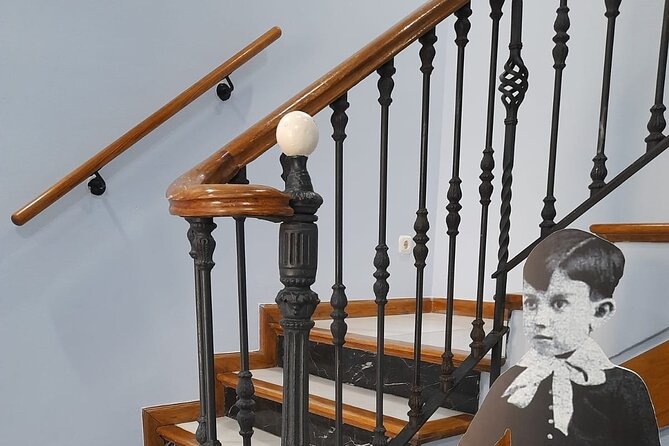
The heart of the experience is the building at No. 15 Plaza de la Merced, Picasso’s birthplace. The museum is housed in the full building, so you’re not walking through a small corner—you’re moving through a whole living space converted into exhibits.
What makes this section special is how it supports interpretation. The displays aren’t only “here’s a famous artist.” They’re “here’s the web around him.” Expect original objects, family souvenirs, and pieces tied to Picasso’s family, plus evidence of the social and cultural connections he had with Málaga.
You’ll also encounter a major collection scale: the museum compiled works of art featuring over 4,000 pieces by over 200 artists. That might sound huge, but the museum experience works because it’s organized into rooms and themes rather than a random pile of items.
One highlight to look for as you go: Picasso’s sketchbooks connected to Las señoritas de Aviñón. The museum specifically includes sketchbooks from 1907, and the collection notes that these are the only sketchbooks of that kind found in a Spanish collection. Even if you don’t memorize dates, the presence of early working material helps you see Picasso’s thinking as a process, not a sudden genius switch.
What the Permanent Collection Actually Gives You
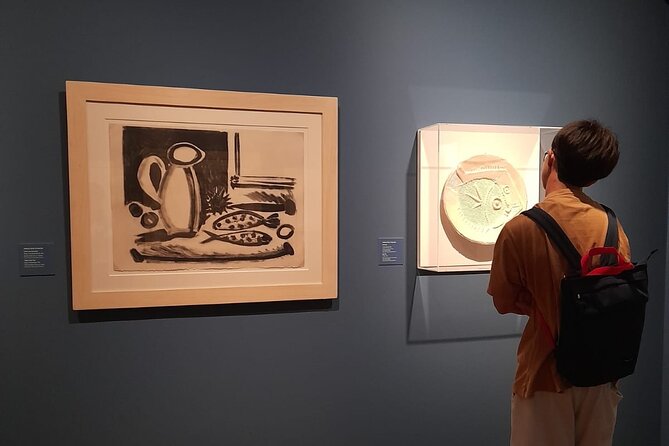
Some museums do context poorly. This one does it with objects and documents. You’re not just told what Picasso did—you’re shown artifacts tied to how he developed.
Here’s what you should look for during your permanent exhibition time:
- Family souvenirs and personal items: helpful if you enjoy the “human” side of great artists.
- Early drawings and preparatory material: especially the kind that shows how ideas grew into major works.
- The Malaga connection: the museum emphasizes his ties to the city, and you’ll feel that focus as you move through rooms.
One review described it as a walk back in time, and that tracks with the vibe: it’s small but meaningful, with a strong sense of place. If you like atmosphere and storytelling, you’ll likely find it more satisfying than a large collection you can’t emotionally connect with.
If you want a long, lecture-style narrative, you might feel it’s too short. But if you like setting context fast and then having freedom to linger on what you care about, the museum format fits.
The Bonus at No 13 and Included Temporary Exhibitions
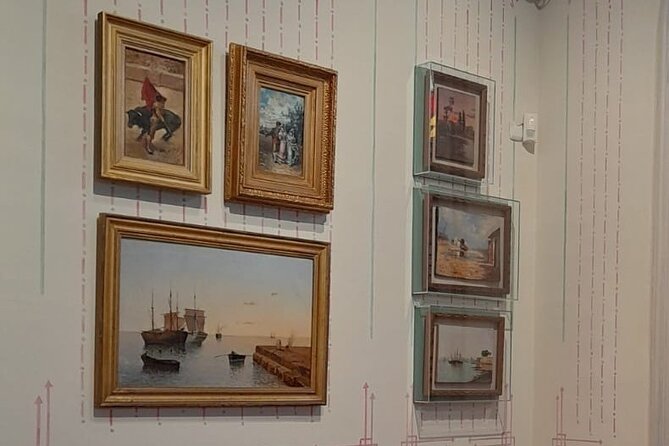
Another reason this ticket is worth it: you don’t have to choose between “permanent” and “whatever’s on.” Access includes the temporary exhibition, and there’s also an exhibition room at No. 13 in the same square.
That matters because it prevents the visit from feeling one-note. The museum can shift what it emphasizes, and temporary exhibits are often where the most current perspective shows up—without forcing you into a separate ticket.
And because No. 13 is in the same Plaza de la Merced area, you can usually handle it without feeling like you’re doing a multi-location city hike. It keeps the whole experience compact and easy to stitch into your day.
Audio Guide in Six Languages: Best Ways to Use It
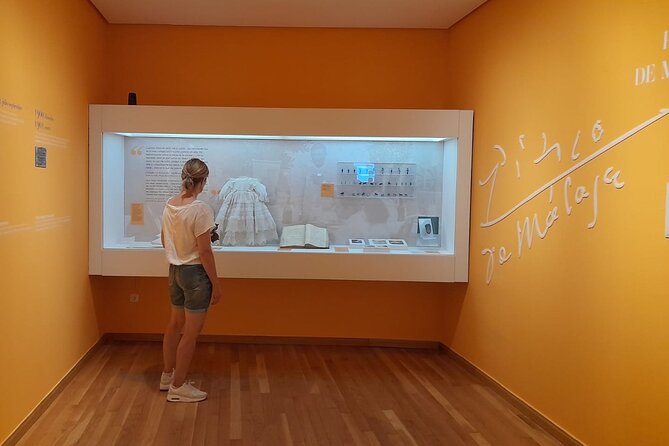
You get audio guides included, with options for Spanish, French, English, Italian, Chinese, and German. This is a real advantage if you don’t read art-history labels quickly, or if you prefer a guided tone while still moving freely.
My practical advice:
- Bring comfortable headphones and set your volume before you enter each new room.
- If the audio guide doesn’t match what you’re seeing, pause and re-check the room you’re in.
- Use the audio to decide where to linger. Some rooms go faster visually, but the explanation can make a difference.
A couple of people reported audio problems in the later part of the museum, so don’t assume it will always behave perfectly on day one. If playback glitches, it’s worth flagging it right away to staff so you can keep your flow instead of losing time troubleshooting on your own.
Also, plan for your time even if the museum itself feels quick. Even when the overall route is shorter, audio can stretch your visit in a good way—turning a 30–60 minute scan into a fuller hour to hour-and-a-half experience.
Finding the Entrance Door Without Stress
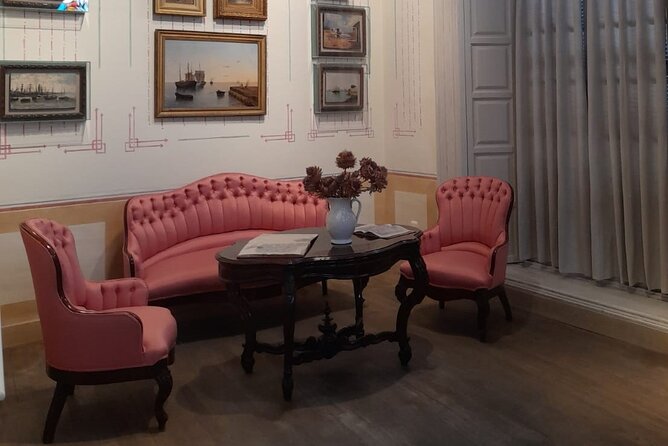
Even with priority entry, the biggest practical friction can be simple: entrances can be confusing in older sites. One common complaint is that the “actual entrance” may be on a different door than what people expect.
So here’s what I recommend:
- When you arrive, ask immediately and clearly where the Casa Natal / Birthplace admission point is.
- Look for staff assistance fast rather than wandering the square for long.
- Give yourself buffer time the first day you visit Malaga—especially if you’re traveling with only a small amount of schedule wiggle room.
This isn’t a deal-breaker, but it can turn a pleasant visit into a stressful one if you’re arriving late or trying to find it under time pressure.
Your Timing: Opening Hours and When Free Entry Pops Up
The museum runs daily 09h30–20h00 (including holidays). It’s closed on 1 January and 25 December. On 24 December and 31 December, it closes earlier at 09h30–15h00.
If you want to save money, there are free entry windows:
- Every Sunday from 4pm to 8pm
- Other special free entry days include Day of Andalucía (February 28), International Museum Day (May 18), White Night (May), World Tourism Day (September 27), and Commemoration of Pablo Picasso’s birth (October 25)
- Youth under 18 can enter for free when accompanied by an adult
If you’re visiting outside these times, the standard ticket price still feels fair for what’s included—especially the priority entry and multi-language audio guide.
After the Museum: Why the Plaza Matters
You don’t just finish and disappear. You step back into Plaza de la Merced, where you can relax and keep the Picasso day going at a street level pace.
That matters because the museum itself can feel like a “small but powerful” experience: it lands emotionally, then you’re ready to breathe afterward. Many visitors pair it with a nearby Picasso-related stop, and the location makes that easy.
Inside the museum area, you can also plan around basics like a toilet and a gift shop, so you’re not stuck hunting for essentials right after.
Should You Book This Picasso Birthplace Ticket?
Book it if:
- You want priority entry and you’d rather not gamble on queues.
- You like self-guided museum time with an audio guide.
- You enjoy connecting an artist’s work to place, family, and early influences, not just masterpieces.
Skip it (or consider another format) if:
- You’re looking for a long, guided lecture style experience.
- You need a very deep, expert-level walkthrough. This visit is short and designed for independent exploration.
- You’re likely to get flustered if you have trouble finding the right entrance door or if audio equipment gives you trouble.
My take: this is good value for the money, mainly because it includes audio guidance and priority entry in a compact, meaningful setting at Picasso’s actual birthplace. If you want a fast, clear, and human introduction to his start in Malaga, it’s a smart booking.
FAQ
How long is the Picasso Birthplace Museum visit?
Plan on about 1 to 2 hours. The experience is self-paced with an audio guide, so time will vary based on how closely you read and listen.
What is included with the entrance ticket?
Your ticket includes entrance to the Picasso Birthplace Museum, skip-the-line priority access, audio guides, access to the permanent exhibits, and access to the temporary exhibitions.
Which languages are available on the audio guide?
The audio guide is available in Spanish, French, English, Italian, Chinese, and German.
Where exactly is Picasso’s birthplace museum located?
It’s in Malaga, Spain, on Plaza de la Merced, specifically No. 15 for Picasso’s birthplace. There is also an exhibition room at No. 13 in the same square.
What are the opening hours?
The museum is open daily 09h30–20h00 (including holidays). It is closed on 1 January and 25 December. On 24 December and 31 December, opening hours are 09h30–15h00.
Is there free entry on any days?
Yes. Sundays have free entry from 4pm to 8pm. There are also free entry days on February 28, May 18, May (White Night), September 27, and October 25, and youth under 18 can enter for free when accompanied by an adult.
Do I get priority access to avoid queues?
Yes. The ticket includes skip-the-line priority access.
What group size should I expect?
This activity has a maximum group size of 15 travelers.
What happens if the museum visit is canceled due to weather?
The experience requires good weather. If it’s canceled due to poor weather, you’ll be offered a different date or a full refund.
If you want, tell me your travel month and whether you’ll visit on a Sunday. I can suggest the best time window for avoiding crowds and still leaving room for a relaxed Malaga walk after.
More Málaga Trips, Reviewed
- Malaga: Catamaran Sailing Trip with Sunset Option
★ 4.4 · 8,613 reviews - Málaga: Alcazaba and Roman Theatre Guided Tour With Entry
★ 4.8 · 5,792 reviews - Ronda and Setenil Tour with Free Time and Map from Málaga
★ 4.8 · 5,344 reviews - From Málaga: Caminito del Rey Day Trip & Guided Tour
★ 4.8 · 4,683 reviews - From Malaga and Costa del Sol: Gibraltar Tour
★ 4.4 · 4,483 reviews - Malaga: Teatro Flamenco Malaga Live Flamenco Show
★ 4.7 · 4,254 reviews
Málaga's Galleries, a Few More
- Málaga: Museo del Automóvil y la Moda Ticket
★ 4.8 · 584 reviews - Malaga: Picasso Museum Guided Tour with Skip-the-Line Ticket
★ 4.8 · 485 reviews - Skip the Line: Malaga Automobile and Fashion Museum Entrance Ticket
★ 4.5 · 379 reviews - Malaga: Tour of Malagueta Bullring & Immersive Exhibition
★ 4.7 · 271 reviews - Málaga: Carmen Thyssen Museum Ticket
★ 4.6 · 245 reviews - Malaga: OXO Video Game Museum Ticket Entry
★ 4.7 · 178 reviews
Following Picasso Through Málaga
- Malaga: Picasso Museum Guided Tour with Skip-the-Line Ticket
★ 4.8 · 485 reviews - Málaga: Picasso Birthplace Museum Ticket & City Audio Guide
★ 4.1 · 158 reviews - Paint your own Picasso
★ 5.0 · 61 reviews - Málaga: Picasso Museum Tour with an Expert Art Guide for Small Groups
★ 4.8 · 58 reviews - Málaga: Paint your own Picasso
★ 5.0 · 49 reviews - Malaga: Old Tour Walking Tour w/Cathedral & Picasso Museum
★ 4.7 · 49 reviews
Fresh Off the Boat: Newly Reviewed Málaga Trips

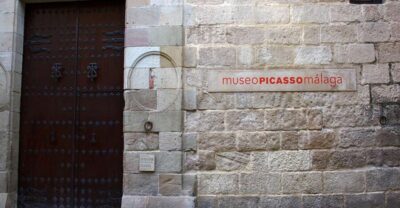
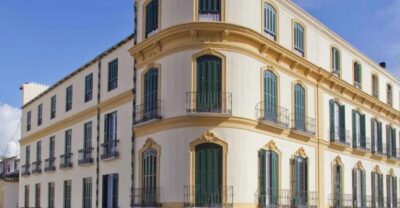
Picasso Museum & Birthplace, side by side.
 ★ 4.8Picasso Museum Guided Tour with Skip-the-Line TicketFrom $41485 reviews
 ★ 4.1Picasso Birthplace Museum Ticket & City Audio GuideFrom $11158 reviews
 ★ 5.0Paint your own PicassoFrom $4761 reviews
 ★ 4.8Picasso Museum Tour with an Expert Art Guide for Small GroupsFrom $5358 reviews
 ★ 5.0Paint your own PicassoFrom $4649 reviews
 ★ 4.7Old Tour Walking Tour w/Cathedral & Picasso MuseumFrom $6549 reviews
 ★ 4.9Alcazaba, Picasso and more, walking tour with 5 VR experiences !From $2336 reviews
 ★ 5.0Private Malaga: Alcazaba, Museum, Market, Cathedral & PicassoFrom $17128 reviews
Other lists this tour appears in